UC ANR is committed to providing an accessible and inclusive web experience for all users. If you encounter an accessibility barrier or need content in an alternative or remediated accessible format, please contact anraccessibility@ucanr.edu.
When you visit the Peter J. Shields Oak Grove in the UC Davis Arboretum, you'll see one of the most diverse mature oak collections in the United States.
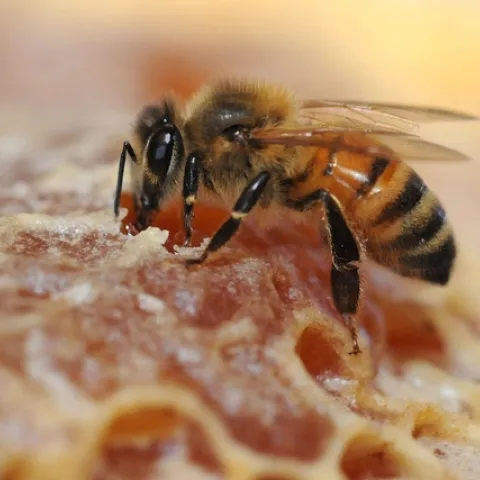
Almond pollination season is approaching, and with it, come concerns. "A concern each year...is how many honey bee visitation hours occurred during bloom," writes Extension Apiculturist Eric Mussen in his newly published edition of from the UC Apiaries.
The noonhour seminars sponsored every Wednesday through March 10 by the Department of Entomology, University of California, Davis, are drawing widespread interest. And delightedly so. Many faculty, students and staff make it a point to attend the 12:10 to 1 p.m.
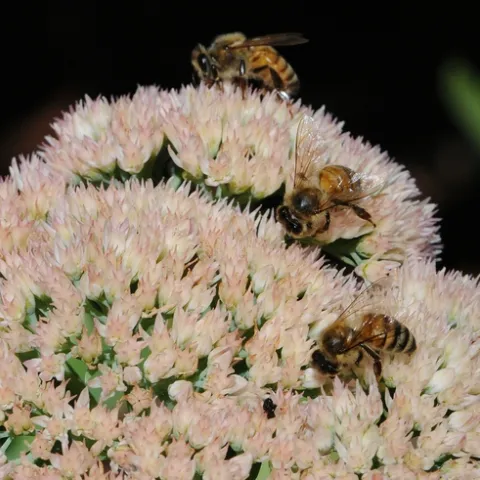
Talk about singing the blues. Specifically, the noted "Blue King" (Aster amellus), a member of the sunflower family, Asteraceae. This is one flower that deserves its own chorus. At the Harry H. Laidlaw Jr.
James R. Carey is used to dissent. The entomology professor at the University of California, Davis, fervently believes that the Mediterranean fruit fly and light brown apple moth, two exotic and invasive pests, have long been established in California and cannot be eradicated.
How ironic. We recently wrote about Los Alamos National Laboratory scientists training honey bees to detect explosives. It works this way: they harness bees and place them in little scientific containers. When the bees detect the scent of explosives, they stick out their tongues.
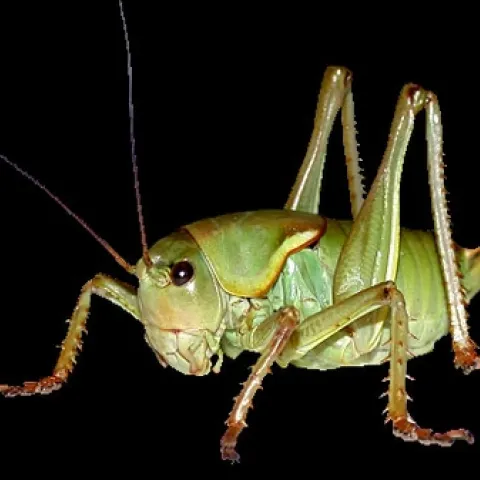
When the Department of Entomology at the University of California, Davis, launches its winter noonhour seminar series on Wednesday, Jan. 6, crickets will be first in line.
The swamp sunflower that graces the entrance to the Harry H. Laidlaw Jr. Honey Bee Research Facility, University of California, Davis, does quadruple duty. It's stunningly beautiful. It's strong and sturdy. It's a late bloomer. And the honey bees love it.