UC ANR is committed to providing an accessible and inclusive web experience for all users. If you encounter an accessibility barrier or need content in an alternative or remediated accessible format, please contact anraccessibility@ucanr.edu.
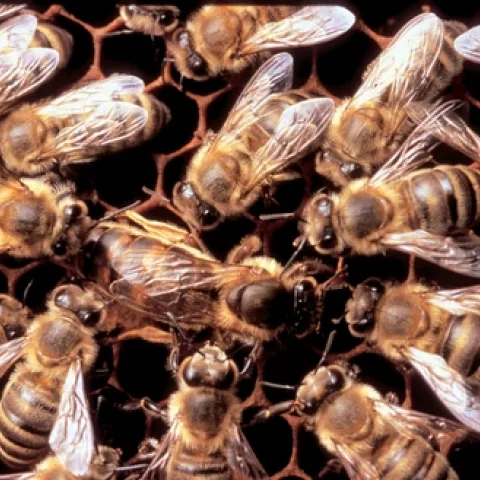
Oh, to be a queen bee... Her Royal Highness (HRH) is quite pampered. She's always surrounded by her royal attendants, called the retinue. They tend to her every need. They feed and groom her. They keep her warm or cool, depending on the temperature inside the hive.
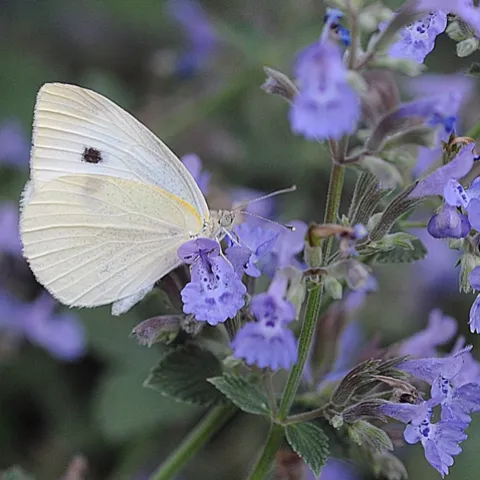
The cabbage white butterfly (Pieris rapae) looks like a Lady in White when she perches on catmint. The colors are striking: A long, flowing white gown nestled among the rich lavender blossoms and earthy green leaves.
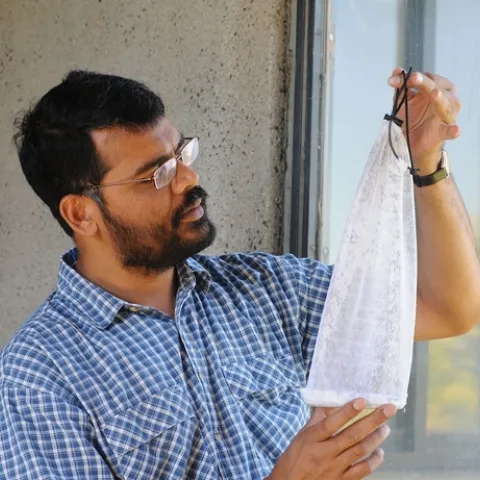
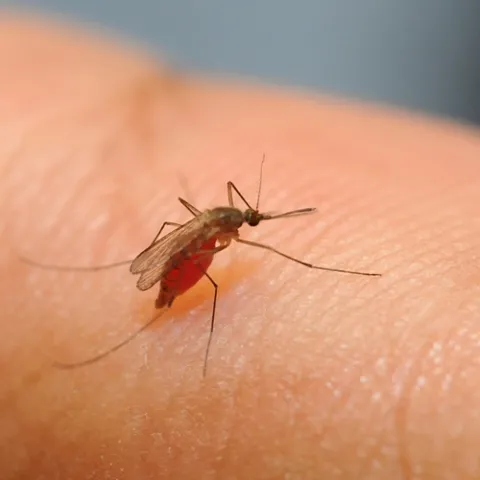
Chemical ecologist Zain Syed of the Walter Leal lab, University of California, Davis, knows just where to find mosquitoes for his research. Rice fields. He's been collecting up to 3000 mosquitoes a night along the Yolo Causeway, located on Interstate 80 between Davis and West Sacramento.
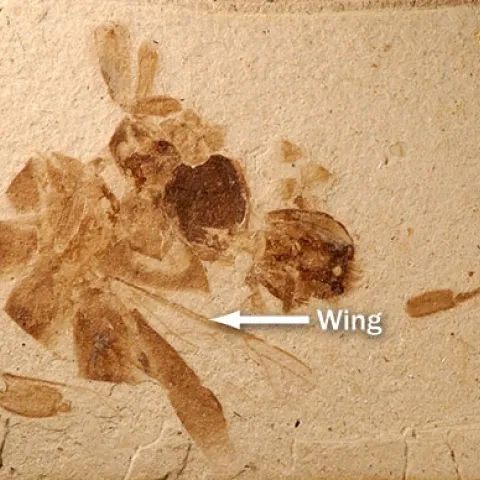
Amazing. An article posted on the ScienceNews Web site today indicates that North America did, too, have a honey bee. For nearly 400 years, we've been told that the honey bee (genus Apis) did not exist on this continent until 1622. That's when the colonists brought it over from Europe.
Camping season is upon us, and with it came the news of California's first confirmed human case of West Nile virus (WNV). The San Diego County Health and Human Services Agency (HHSA) announced today that a 76-year-old man contracted WNV, but "he did not acquire the virus locally.
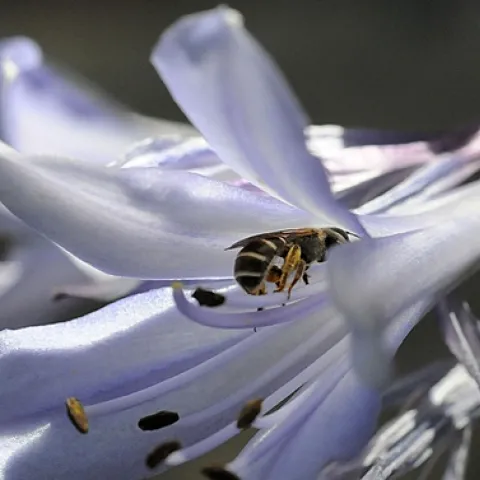
Seems like many folks assume that all bees are "honey bees." They're not. If you look around you, you'll see bees of all shapes, colors and sizes nectaring flowers.
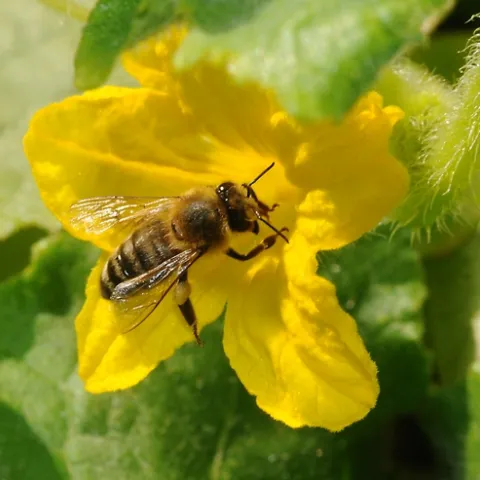
Its the lemon law. When life hands you a lemon (cucumber), make honey. The lemon cucumber (Cucumis sativus) is an increasingly popular garden vegetable that doesn't look like your typical cucumber. The vegetable is round to oval in shape and is pale yellow to pale green in color.
You may not know about Lavandula "Goodwin Creek Gray" but the honey bees do. They love lavender. That's one of the plants selected for the Haagen-Dazs Honey Bee Haven, a half-acre bee friendly garden being implemented near the Harry H. Laidlaw Jr. Honey Bee Research Facility at UC Davis.
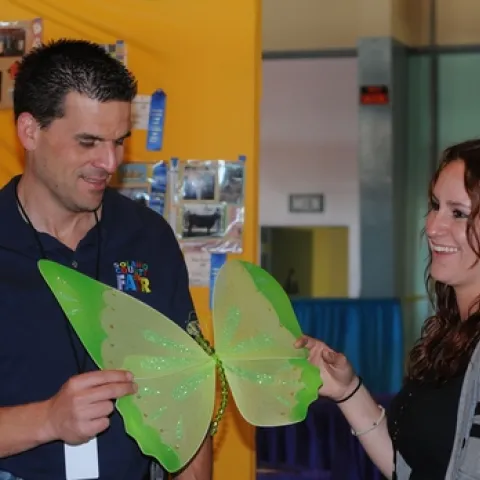
Butterflies, dragonflies, ladybugs and honey bees. What exists in nature is replicated in art. We sculpt them, draw them and paint them. We create their images on everything from clothing and jewelry to quilts and stepping stones.