UC ANR is committed to providing an accessible and inclusive web experience for all users. If you encounter an accessibility barrier or need content in an alternative or remediated accessible format, please contact anraccessibility@ucanr.edu.
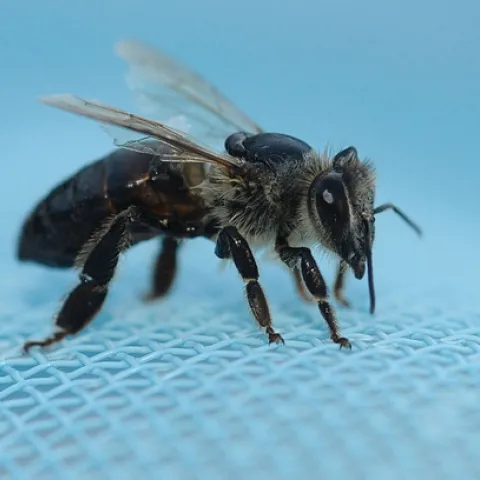
It's not just two-legged humans that take a dip in the pool. So do six-legged honey bees searching for water. When temperatures soar, honey bees scramble to collect water for their colony. They release droplets of water in the hive as their hardworking sisters fan their wings to "cool it.
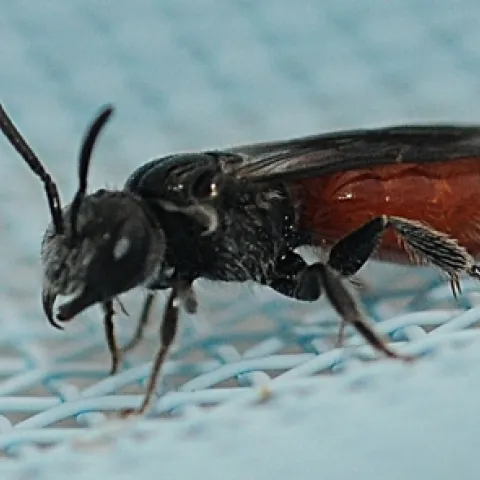
Its triple-digit hot and youre relaxing in a swimming pool when suddenly you realize you have company. A knat-sized insect with a red abdomen lands next to you. It looks like a wasp. No, it looks like a bee.
The economy is tanked. The cuts keep coming. The smiles fade. Not tomorrow. Friday afternoon, July 17 is the seventh annual Bruce's Big Balloon Battle at Briggs.
Honey bees--what do you know about them? Do you know what the queen bee, worker bees and drones do? Do you know why bees swarm? Do you want to learn to be a beekeeper? Or, if you already are a beekeeper, how do you keep your hives healthy? If you're a researcher, what are your colleagues doing?
Peter Pan vowed he'd never grow up. "I won't grow up!" yelled the boy, a figment of a Scottish novelist's imagination. "I won't grow up!" So it is with Peter Pan Agapanthus (Agapanthus africanus), a dwarf version of a spectacular flower known as Lily of the Nile. It won't grow up.
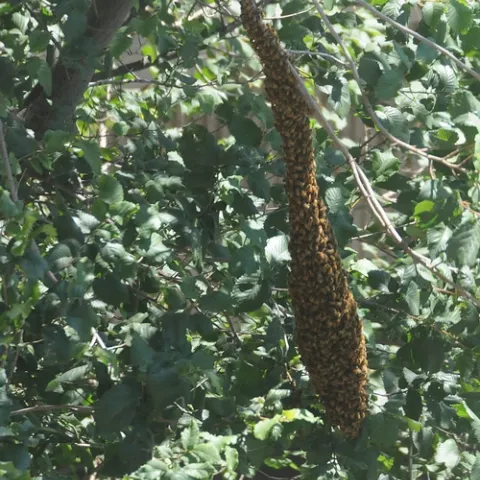
Eagle-eyed Carol Nickles saw it first. The graduate student coordinator for the UC Davis Department of Entomology spotted the bee swarm from a third-floor window of Briggs Hall. There it was, swaying on a tree branch, about 25 feet above the ground.
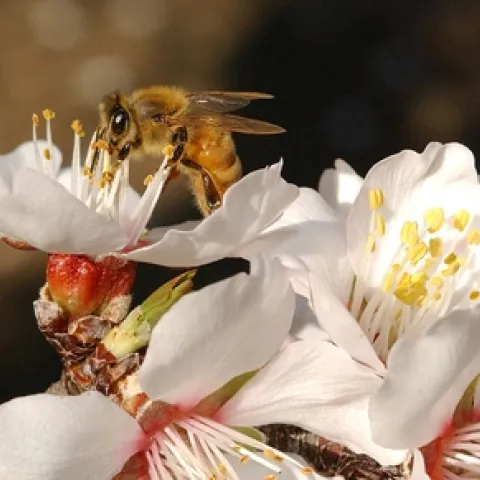
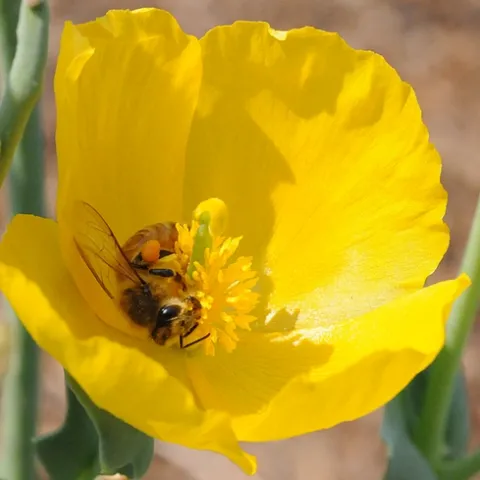
Sometimes you don't think about the declining bee population when you see a pollen-dusted honey bee rolling around in a poppy blossom, but colony collapse disorder (CCD) is still with us. Pollinator protection is a must. That's why we were glad to see the U. S.
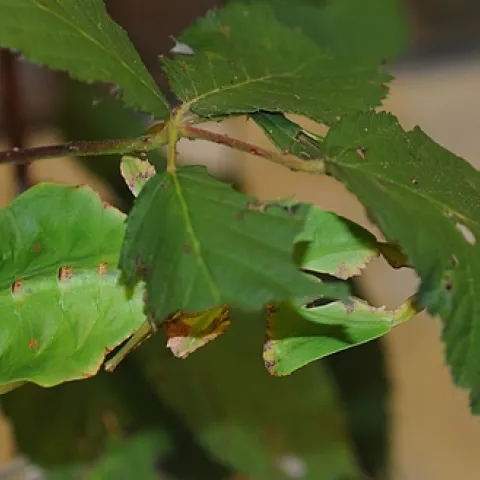
Two newly moulted insects in the Bohart Museum of Entomology at the University of California, Davis, look just like leaves. But these leaves are made for walking. These are camouflaged insects (Phyllium giganteum), commonly known as "walking leaves." They're green, wide, and flat.
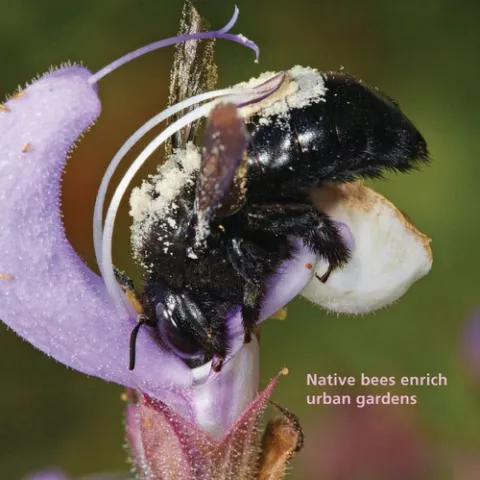
Do you recognize the native bee that graces the cover of the current edition of California Agriculture, a peer-reviewed journal published by the UC Division of Agriculture and Natural Resources? Yes, it's a carpenter bee.
So, you spot a bug crawling up and down a plant in your garden. What is it? Plant bug. Plant bug? No kidding. The common name for certain members of the Miridae family is--you guessed it--"plant bug.