UC ANR is committed to providing an accessible and inclusive web experience for all users. If you encounter an accessibility barrier or need content in an alternative or remediated accessible format, please contact anraccessibility@ucanr.edu.
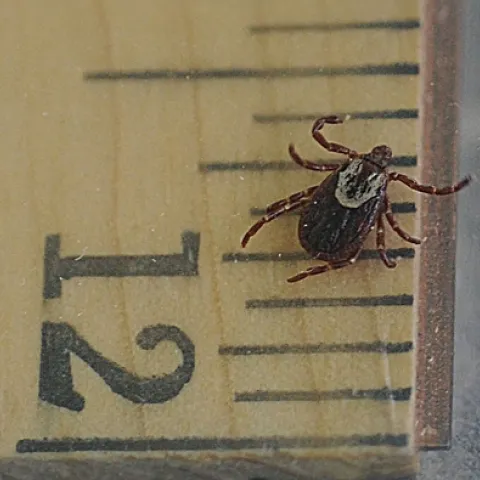
Now here's something that will tick you off. You're taking photos of bumble bees and honey bees in tall grass near a wooded area, minding your own ISO, shutter speed and aperture. All's well with the world.
They're up and at it long before the honey bees. Before dawn breaks, you'll see the tiny bees gathering nectar and pollen in squash, pumpkins and other cucurbits. They're squash bees (Peponapis pruinosa), sometimes called the plush bee.
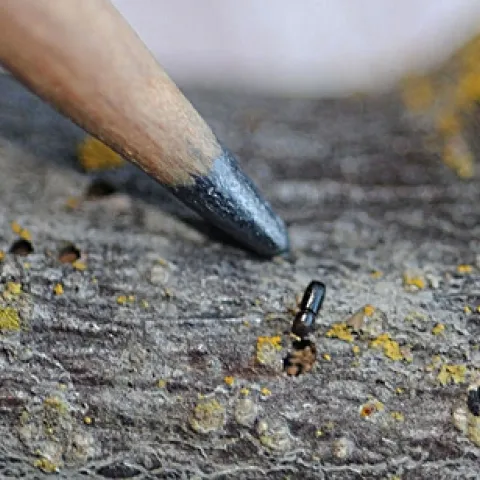
When you look at the tiny unassuming walnut twig beetle--it's smaller than a grain of rice--you wonder how it could possibily kill a majestic black walnut tree. By itself, it can't. But when it's associated with a specific fungus that hitchhikes on the beetle, were talking serious problems.
The Baxter House is no more. The UC Davis Fire Department burned it down yesterday. It's gone, along with assorted black widow spiders, scattered crane flies, munchkin termites and maybe a meandering ant or wandering fly or two. (After all, this is a "bug" blog.
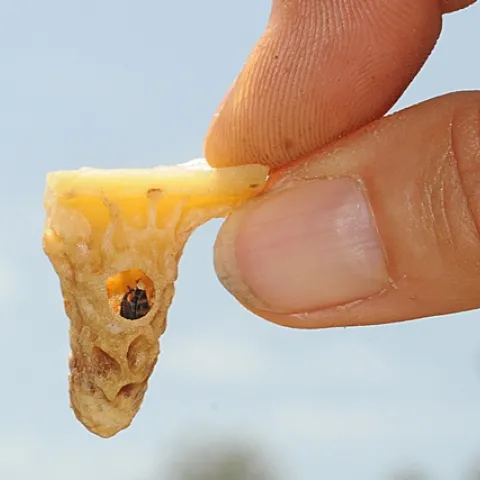
The honey bee hive is not all sweetness. The first virgin queen bee to emerge from her cell (each queen cell resembles a peanut shell) will rid the colony of her competition. After emerging, the queen makes a mark on the other queen cells.
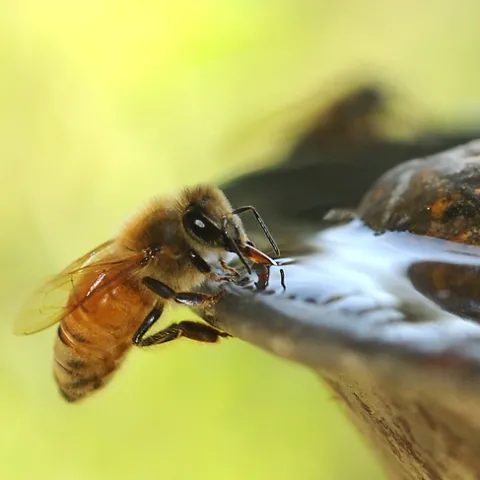
The bees are dropping like flies--in swimming pools all over northern California during this triple-digit heat wave. Honey bees collect water to aircondition their hive. They sip from bird baths, dripping faucets, water-splashed plants and even wet laundry hanging on the line.
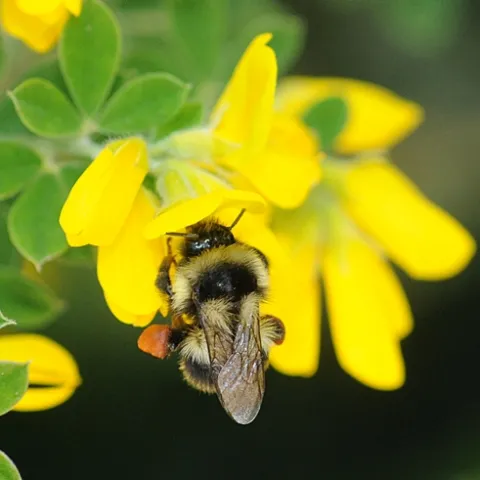
A trip today to Marin County, with a side trip to the Marshall Post Office in Marshall, yielded a triple bonus. A bumble bee, a honey bee, and a syrphid or flower fly all were nectaring flowers on the post office grounds, located right across from a restaurant and marina we were visiting.
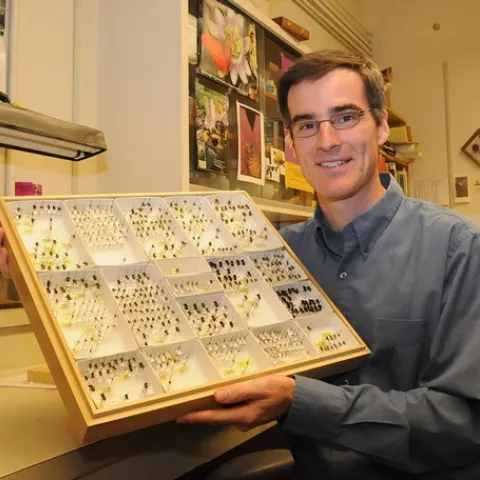
It's National Pollinator Week, and what a perfect time to welcome native pollinator specialist Neal Williams to the UC Davis Department of Entomology faculty. He's actually no stranger to UC Davis. He's been collaborating with researchers at the Harry H. Laidlaw Jr.
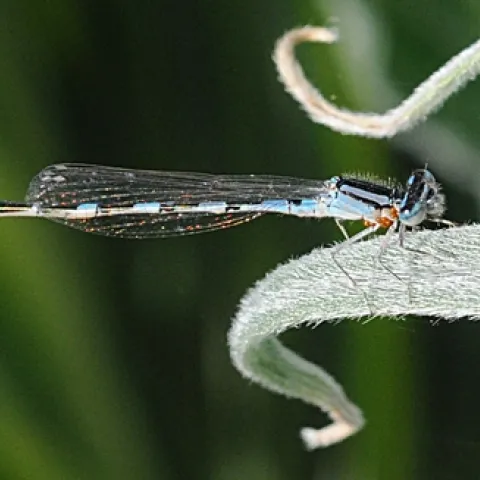
They're as long and thin as darning needles. And, sometimes theyre as difficult to find as a needle in the proverbial haystack. These slender, frail-looking insects (below) are damselflies. They fly around ponds and streams and perch on plants near the shoreline.
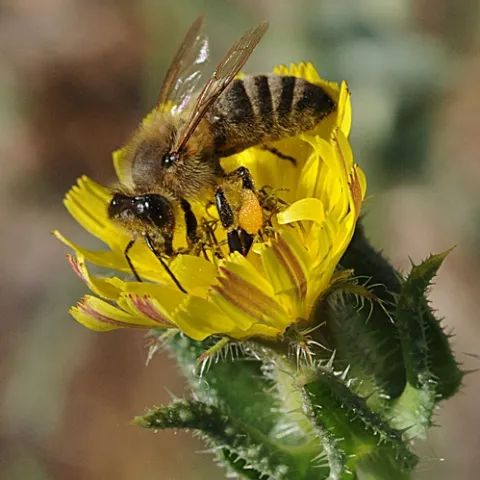
Today, in honor of National Pollinator Week, we turn to the Picris echioides. Picris echioides? You either hate it or love it. Honey bees love it. Gardeners hate it. ?If you plant a lawn with Picris echioides, expect a visit from Code Compliance.