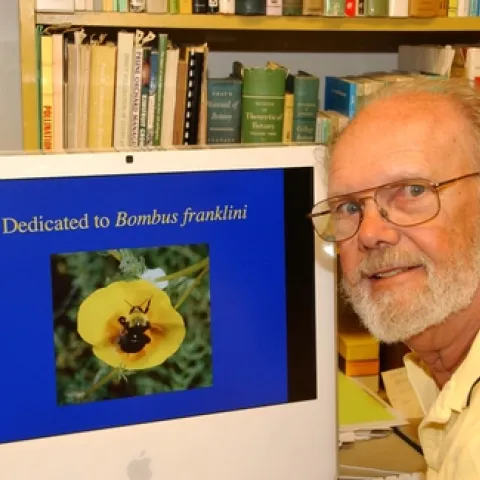
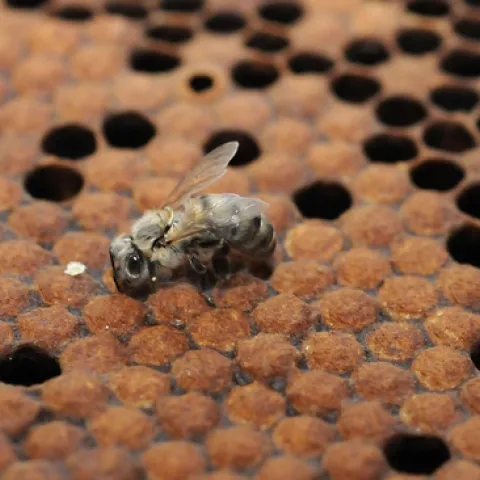
Let's have a show of hands. How many of you have seen Franklin's bumble bee in the wild? Never HEARD of it, you say? Well, you probably will never SEE it, either. Bumble bee experts think it may be extinct.
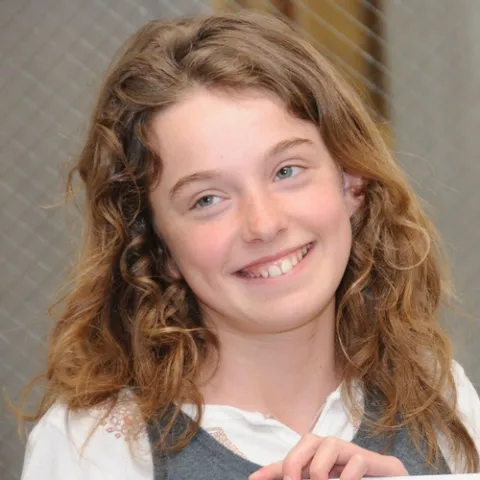
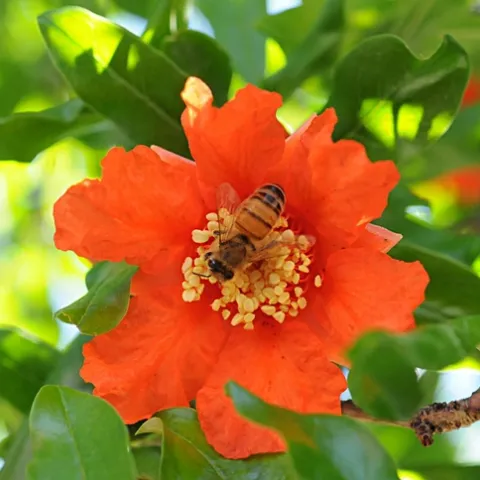
Sheridan Miller's gift to UC Davis for honey bee research was both generous and thoughtful. The 11-year-old Bay Area resident raised $733 for the Harry H. Laidlaw Jr.
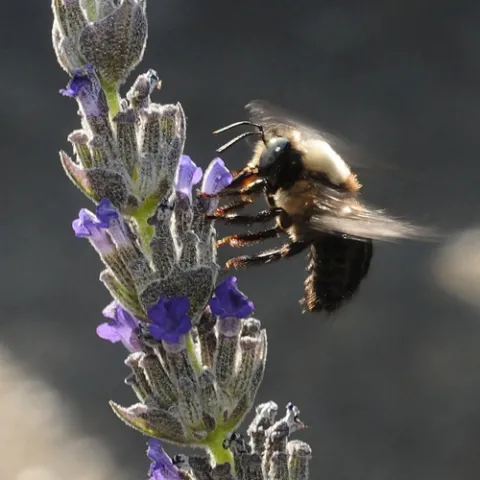
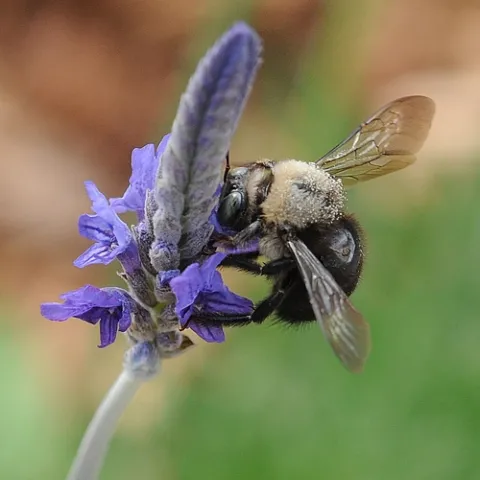
Insects love the lavender. Think honey bees, syrphids, and carpenter bees. The noisiest are the male carpenter bees. They buzz the lavender looking for females and then touch down for the nectar. They're quick, territorial, aggressive and noisy.
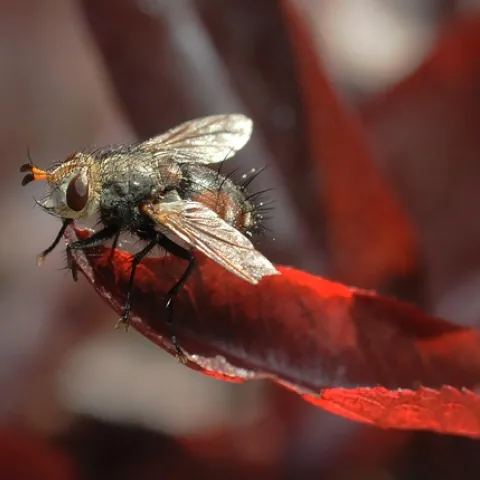
It's a curious-looking insect, the tachinid fly. The first thing you notice are the thick, dark bristles covering its abdomen. By human standards, this insect, about the size of a house fly, is not pretty. No way, no how.
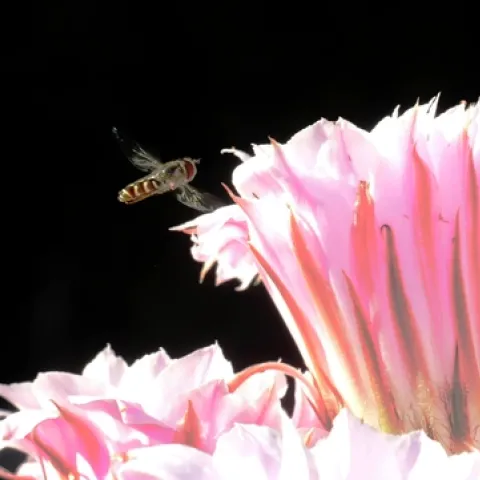
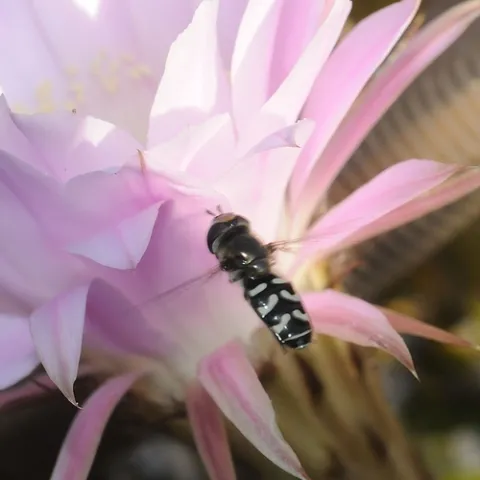
Patience. That's what it takes to capture images of syrphids, aka flower or hover flies. They are oh, so tiny and they move oh, so quickly. As the morning dawns, you wait, camera poised, near their preferred blossoms.
If it looks like a duck, quacks like a duck, and walks like a duck, it's probably a duck. If it looks like a bee, buzzes like a bee, and visits flowers like a bee, it might not be a bee. It could be a fly, or more specifically, a syrphid or flower fly.
"Gossamer" means something sheer, light and delicate, as in gossamer fabric. You can also apply it to the wings of a carpenter bee. We captured this image of a male carpenter bee (Xylocopa tabaniformis) nectaring on lavender. The wings look sheer, fragile and airy.
You wont want to miss the seminar on Bee Problems and Colony Losses on Wednesday, May 13 in 122 Briggs Hall, UC Davis. If you cant make it in person, you can listen to it live via Webinar.