UC ANR is committed to providing an accessible and inclusive web experience for all users. If you encounter an accessibility barrier or need content in an alternative or remediated accessible format, please contact anraccessibility@ucanr.edu.
No room in a yard? Container gardens are a great way to grow vegetables with the proper precautions. Here are several considerations when planting in containers: SunSelect plants based on sunlight exposure. Most vegetables require 6 to 8 hours of direct sun daily. Leafy vegetables like lettuce,…
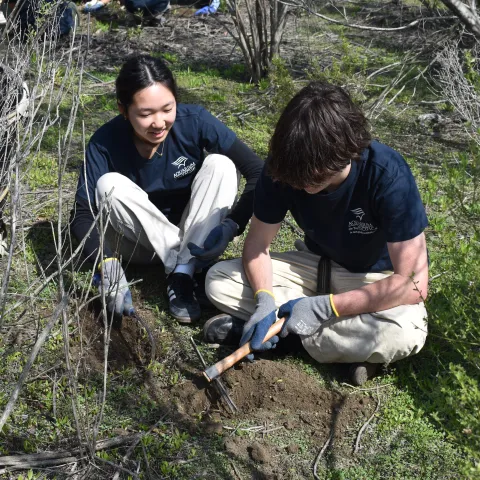
The UC Climate Stewards Program at the Aquarium of the Pacific is building climate resilience for our ocean and our communities. This unique course transforms passionate individuals into certified Climate Stewards, connecting them with a vibrant statewide network committed to building resilience in the face…
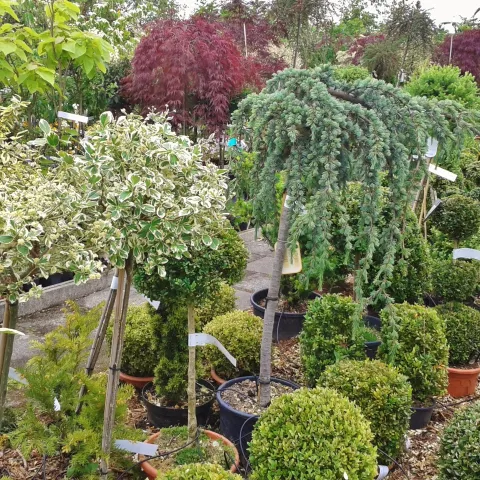
Do your trees or shrubs look unhealthy? A variety of insects, wildlife, and diseases can attack these plants making them unattractive or slow to grow. In this webinar, horticulture expert Chris Shogren will cover common pests of landscape trees and shrubs, their management, and tips for proper plant care to…
UC Delivers is a collection of examples showing how UC ANR is making a difference in California's communities.UC Delivers is managed by UC ANR Program Planning and Evaluation. This page has instructions on how to write a UC Delivers Post. For instructions on how to submit a post, you can download this PDF…
Course DescriptionCanopy is offering the UC Climate Stewards certification course in Santa Clara and San Mateo County. The course prepares participants to engage within their communities with integrated nature-based climate solutions, community science about local green spaces, and communication to advance…
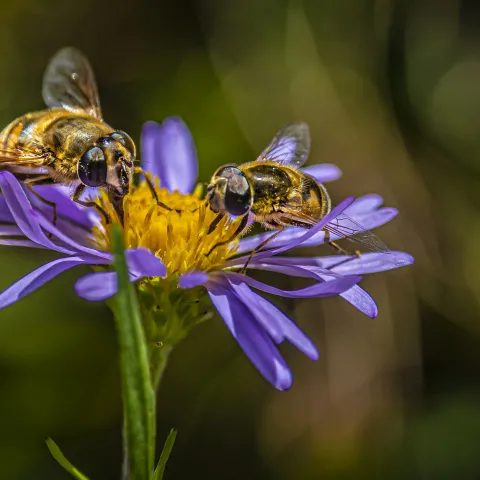
National Pollinator Week, which begins today and runs through June 22, was established in 2007 following a unanimous vote by the U.S. Senate. Why make a federal case over pollinators? Many of the healthiest foods in our diets – almonds, blueberries, squash, strawberries, peaches and much more – are…
As webinars are completed, we post recordings on YouTube for future study and sharing with others. Continuing education units are not available for recorded webinars. Only participants of live webinars receive credits.Assessing Bee Exposure Risk and Potential for Habitat-Based Mitigation in…
The black stuff on your leaves is likely sooty moldThe black stuff on your leaves is probably sooty mold, a fungal disease growing on plants and other surfaces, and it is often seen in the spring and summer. The leaves or stems have a black coating that looks like soot. If you look closely, it is growing…