UC ANR is committed to providing an accessible and inclusive web experience for all users. If you encounter an accessibility barrier or need content in an alternative or remediated accessible format, please contact anraccessibility@ucanr.edu.
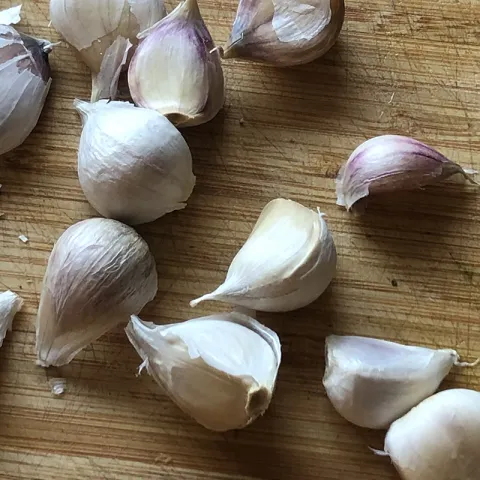
Garlic, Allium sativum, is a vegetable food crop with a bulb, stem, and leaves. All parts of the plant are edible, and young plants are sometimes harvested for flavor and nutrition. At maturity, leaves are dry and the bulb is the prize. Native to Middle Asia, although different Allium varieties are found all…
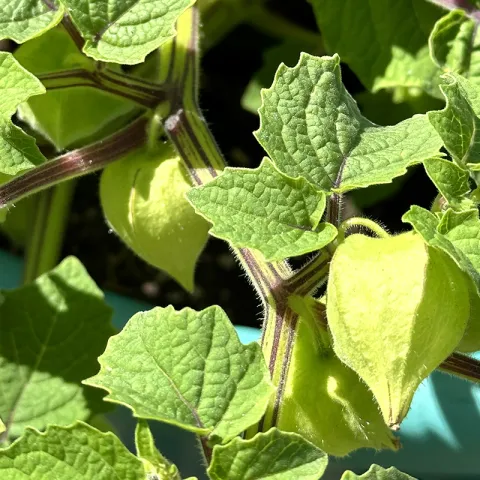
Groundcherry, Physalis peruviana, is an easy care and prolific plant in the nightshade family. Produces small, round edible fruit in little paper lanterns similar to a tomatillo. Requires some space. Growing requirements are similar to tomatoes.
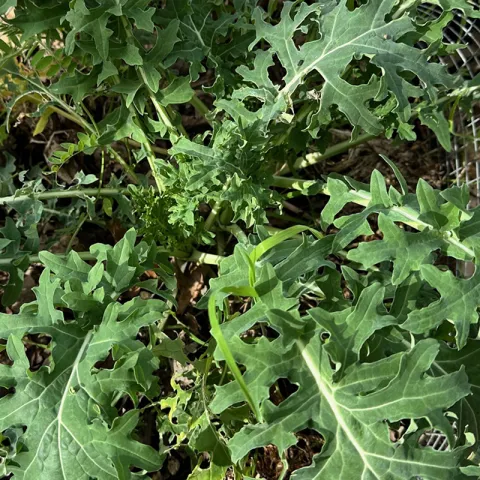
Kale, Brassica oleracea var. acephala, comes in edible and ornamental varieties. Ornamental or flowering kale is grown for decorative leaves. Edible, or salad, kale is a super nutritious, cool-season, fast-growing relative of cabbage that is eaten raw or cooked. Within each type there are many sizes, shapes,…
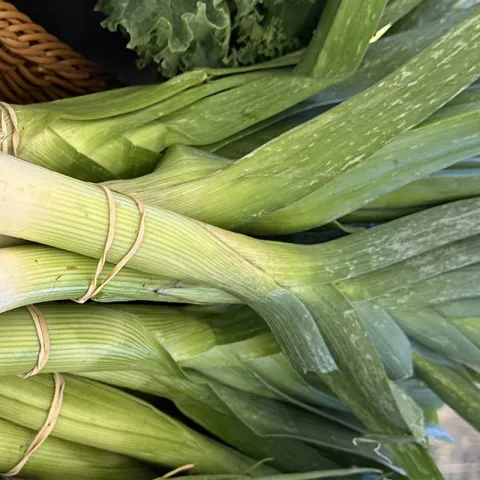
Leeks, Allium ampeloprasum var. porrum, are cool season biennials grown as annuals. Easily grown member of the Allium family. They don't form bulbs like their garlic and onion relatives. They develop a six to ten inch edible stem up to three inches in diameter. Will endure, but don't appreciate temperatures…
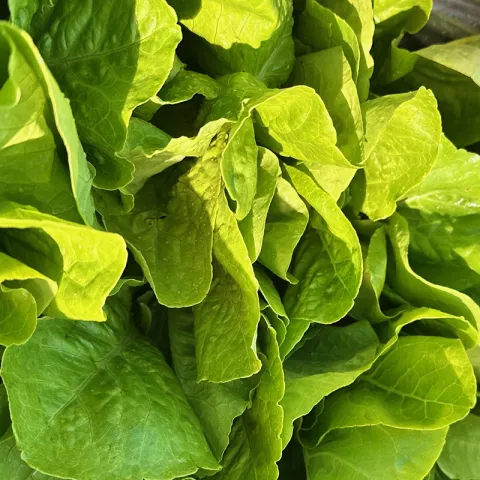
Lettuce, Lactuca sativa, is a cool season annual, but can be grown year-long along the coast. Varieties include faster growing loose leaf, lightly headed butterhead, romaine, and tight headed crisphead. Native to Middle East.
Winter is a great time to prune plants for fire safety. All plants can burn, but removing or trimming branches now can reduce potential fuels and create space between plants and plant groupings to slow or interrupt the path of fire to your home during wildfire season.Before you begin,…
In December, we discussed strategies for assessing and planning Zone 0, 0-5 feet from your home, where the best practice is to remove any combustible materials.For Zones 1 and 2, focus on plant size and spacing to reduce fire pathways to your home.Zone 1 – 5 to 30 feet from homeObjective: Reduce heat…
Mulch is any material spread over soil to retain moisture, suppress weeds, and prevent erosion. For fire safety, inorganic mulches such as rock are a non-combustible option that can be used anywhere in your landscape. Organic mulch is composed of plant materials and is combustible, but also provides…
Creating a fire-smart landscape is about making informed choices that protect your home while maintaining beauty. While all plants can burn, thoughtful selection and strategic placement can reduce fire risk. When choosing plants for your fire-smart landscape, prioritize:Plants with higher…
As spring transitions into the dryer months of summer, now is the time to check and refine your irrigation system to keep your plants appropriately hydrated. Having healthy and hydrated plants is an important component of a Fire-smart Landscape. Healthy and hydrated plants:Are more difficult to…