UC ANR is committed to providing an accessible and inclusive web experience for all users. If you encounter an accessibility barrier or need content in an alternative or remediated accessible format, please contact anraccessibility@ucanr.edu.
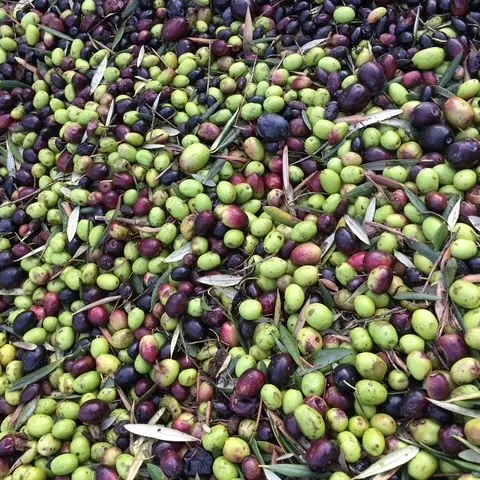
Growers and others interested in growing table olives or olives for making olive oil are invited to a California Statewide Olive Seminar on Friday, April 4. The online seminar, a series of presentations from 8 a.m. to 1 p.m., is sponsored by the University of California Cooperative Extension and UC…
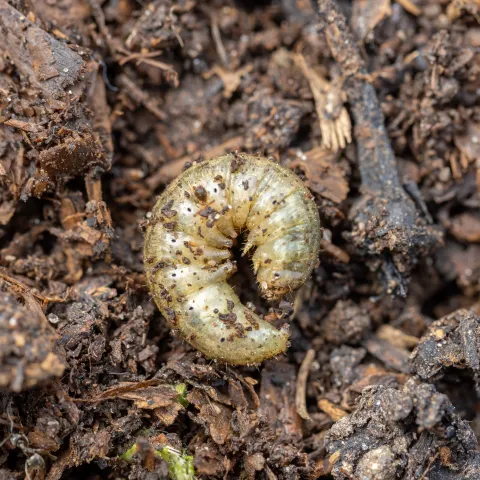
Cutworms are dull brown caterpillars one to two inches long when fully grown. They curl into a C-shape when disturbed. Some clip off seedling stems, while others chew or bore holes. CategoryInsectSigns/SymptomsCutworms feed on blossoms and leaves of many ornamental plants and attack most edible…
Earwigs can devastate seedling vegetables or annual flowers and often seriously damage maturing soft fruit or corn silks. They also have a beneficial role in the landscape and have been shown to be important predators of aphids. Although several species occur, the most common in California…
Masked chafers are also called white grubs. They are beetle larvae, white with brown head, up to one inch long with bristles on underside. Produce one generation each year and overwinter as mature larvae. In spring and early summer, they pupate three to six inches deep in the soil.CategoryInsectSigns…
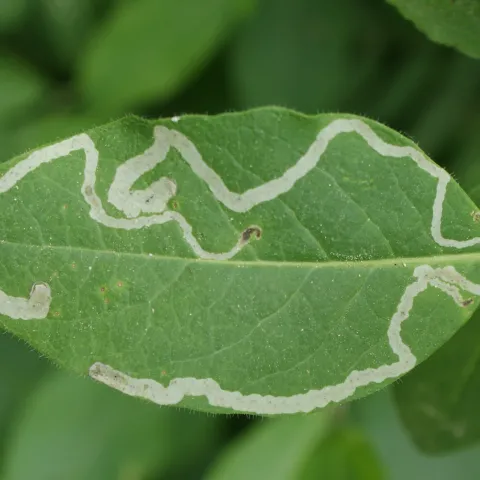
Leafminer larvae attack many vegetables and ornamentals. Male and female flies pierce leaves and suck sap. Female lays eggs between the leaf layers. When the larva hatches, it uses its mouth parts to rupture plant cells, weaving trails through the leaf. These trails are called mines.CategoryInsectSigns…
Adult scales are immobile with coverings that are one twenty-fifth to one-quarter inch long. Immature scales are small slow-moving bodies called crawlers that have legs which eventually drop off. There are two main groups of scale insects — soft and armored. Soft scales have a more rounded and convex…
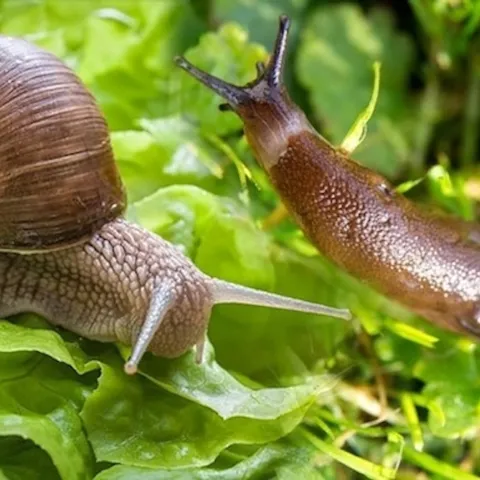
Both snails and slugs are members of the mollusk phylum and are similar in structure and biology, except that slugs lack the snail's external spiral shell. These mollusks move by gliding along on a muscular “foot.” This muscle constantly secretes mucus, which facilitates their movement and later dries to…
Thrips are tiny, slender insects with hairs on their wing margins. They are less than one-twentieth inch long and their color varies depending on the species and life stage.Thrips hatch from eggs and develop through two feeding and two non-feeding stages before developing into adults.Most pest…
Often the largest caterpillars seen in vegetable gardens – up to four inches long. Horn or thorn at rear end. Adult moths have wingspan up to five inches.CategoryInsectSigns/SymptomsHornworms feed on blossoms, leaves, and fruit. At high populations they can extensively defoliate plants and scar the fruit…
Piercing, needle-like mouth parts suck sap from food-conducting tissues in plant stems and leaves. Like aphids, whiteflies excrete sugary liquid called honeydew, so leaves may be sticky or covered with black sooty mold. The honeydew attracts ants, which interferes with the activities of natural enemies that…