A Natural Solution for California's Herds: African Catfish Peptides

California's cattle producers and agricultural communities are all too familiar with the rising challenge of antibiotic resistance, making common bacterial infections harder to treat in livestock. But imagine a future where we could tackle these infections with a natural, powerful alternative. Our research points to just that: antimicrobial peptides (AMPs) found in African catfish.

We're really excited about these peptides because African catfish thrive in pathogen-rich freshwater, naturally producing these robust immune compounds in their skin mucus as a defense. This natural origin makes them highly appealing alternatives to synthetic drugs.

Predicted Safety and Potent Action

One of the most compelling aspects of these AMPs is their predicted safety for mammals. Our initial computer analyses suggest that various catfish AMPs are generally recognized as safe (GRAS). We predict they'll be absorbed in the human intestine without causing liver, brain, or heart toxicity. Furthermore, lab tests on a promising peptide, NACAP-II, confirmed it was non-hemolytic, meaning it didn't damage rabbit red blood cells—a strong indicator of its potential safety for mammalian cells.

Beyond safety, these peptides demonstrate effectiveness against problematic bacteria. One study revealed NACAP-II's strong activity against Extended-Spectrum Beta-Lactamase (ESBL)-producing Escherichia coli—a critical concern for both animal and human health due to its resistance to many common antibiotics. Another peptide, ACAP-IV, also showed antibacterial activity against E. coli and Staphylococcus aureus. We believe these AMPs work by directly disrupting bacterial cell membranes, a mechanism that makes it harder for bacteria to develop resistance compared to how they resist traditional antibiotics.

Primary Image
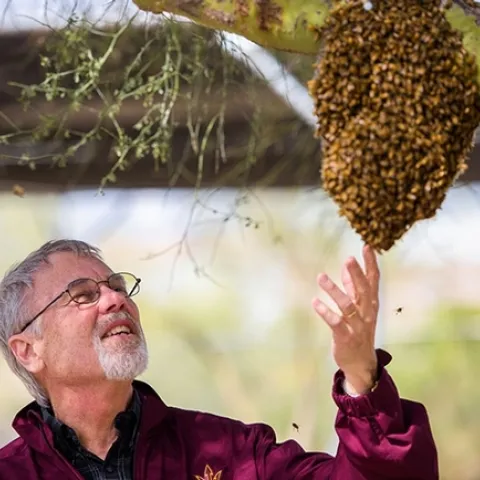
UC Davis professor Lynn Kimsey, director of the Bohart Museum of Entomology, shows how flour and cereal should be stored. (Screen shot from her presentation on YouTube.)
Bug Squad: Article

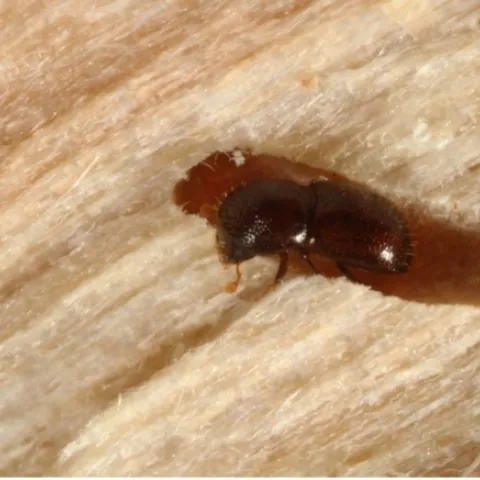
The Beetles, a Growing Concern in Davis

May 18, 2021
By Kathy Keatley Garvey
The beetles are coming! No, this is not a historical reference to that famed rock band from Liverpool. These are real beetles. The insects.
View Article
Stanislaus County: Article

Volume 13, Issue 2, May 2021

May 18, 2021
CLICK HERE to view the May 2021 issue of the Golden State Dairy Newsletter!!! In this issue: Almond hull nutrition Passive immunity guidelines Manure vacuums Mycoplasma prevalence...
View Article
Primary Image
april miku
Under the Solano Sun: Article

Dry Miku

May 18, 2021
No April Showers Drought looms on the Horizon Still plants will FLOWER...
View Article
Primary Image
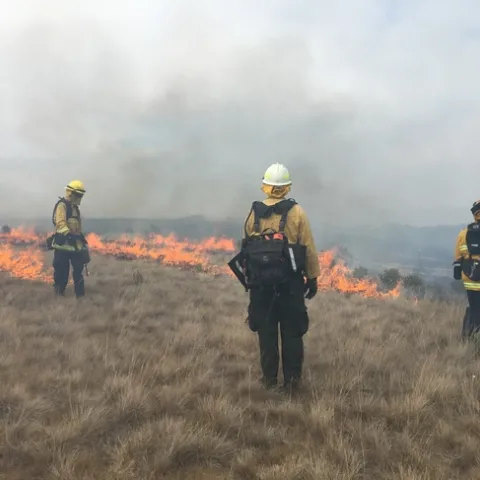
Don't forget to clean your roofs and gutters of any moss, vegetative debris, or leaf litter. Here the author wishes he did this in May rather than waiting until August with wildfire smoke looming in the background.
Nuestra Comunidad: Article

May is Wildfire Preparedness Month!

May 18, 2021
By Basilisa M Rawleigh
Spanish click here Many of us know May for flowers and Mother's Day (hope you didn't forget!), but after last year's widespread and long-lasting fire season, many Californians have come to recognize May as Wildfire Preparedness Month.
View Article
Primary Image
Community ecologist Rachel Vannette's bagged blossoms of California fuchsia in the UC Davis Arboretum and Public Garden led to her discovery of a new species of bacteria, Acinetobacter rathckeae, named for note botanist Beverly Rathcke. (Photo by Kathy Keatley Garvey)
Entomology & Nematology News: Article

UC Davis Community Ecologist Rachel Vannette's New Findings on Flowers

May 18, 2021
By Kathy Keatley Garvey
Community ecologist Rachel Vannette, assistant professor in the UC Davis Department of Entomology and Nematology and eight colleagues have described three new species of bacteria from the genus Acinetobacter that are specialized to flowers, with Vannette isolating two of the new species from UC Davi...
View Article
Contra Costa County Cooperative Extension: Article

Orchard Management Workshop Series

May 18, 2021
Orchard Management Workshop Series This 2-day workshop series will be offered virtually via Zoom The Zoom link will be emailed to participants upon registration Please register for the workshop at this link: http://ucanr.
View Article
Kern County: Article

Kern UCCE/DWR Weekly Crop Water Use Report 05-17-2021

May 18, 2021
Please see below link to access "How To Use Weekly Crop Water Use (ET) Reports to Assist Farm Water Management" How To Use Weekly Crop Water Use Report Please see below link to access "Weekly ET Report 05-17-2021" ET Report 05-17-2021 Please see disclaimer link below: University of California Divisi...
View Article
Primary Image
olive fertilization 1
Topics in Subtropics: Article

Fertilizing Olives

May 18, 2021
By Ben A Faber
Developing a nitrogen fertilizer plan for olive orchards Elizabeth J. Fichtner, Farm Advisor, UCCE Kings and Tulare Counties Nitrogen management plans (NMP) for California olive orchards are essential for the Irrigated Lands Regulatory Program and can increase net return.
View Article
Primary Image
Huntington Gardens in San Marino, California, provides an example of an attractive, low water use landscape. Photo by John Karlik.
The Confluence: Article

Landscape water conservation

May 17, 2021
By John Karlik, UC Cooperative Extension, Environmental Horticulture/Environmental Science Advisor, Kern County As California enters another dry summer, the supply and use of water are once again becoming topics of immediate concern.
View Article