A Natural Solution for California's Herds: African Catfish Peptides

California's cattle producers and agricultural communities are all too familiar with the rising challenge of antibiotic resistance, making common bacterial infections harder to treat in livestock. But imagine a future where we could tackle these infections with a natural, powerful alternative. Our research points to just that: antimicrobial peptides (AMPs) found in African catfish.

We're really excited about these peptides because African catfish thrive in pathogen-rich freshwater, naturally producing these robust immune compounds in their skin mucus as a defense. This natural origin makes them highly appealing alternatives to synthetic drugs.

Predicted Safety and Potent Action

One of the most compelling aspects of these AMPs is their predicted safety for mammals. Our initial computer analyses suggest that various catfish AMPs are generally recognized as safe (GRAS). We predict they'll be absorbed in the human intestine without causing liver, brain, or heart toxicity. Furthermore, lab tests on a promising peptide, NACAP-II, confirmed it was non-hemolytic, meaning it didn't damage rabbit red blood cells—a strong indicator of its potential safety for mammalian cells.

Beyond safety, these peptides demonstrate effectiveness against problematic bacteria. One study revealed NACAP-II's strong activity against Extended-Spectrum Beta-Lactamase (ESBL)-producing Escherichia coli—a critical concern for both animal and human health due to its resistance to many common antibiotics. Another peptide, ACAP-IV, also showed antibacterial activity against E. coli and Staphylococcus aureus. We believe these AMPs work by directly disrupting bacterial cell membranes, a mechanism that makes it harder for bacteria to develop resistance compared to how they resist traditional antibiotics.
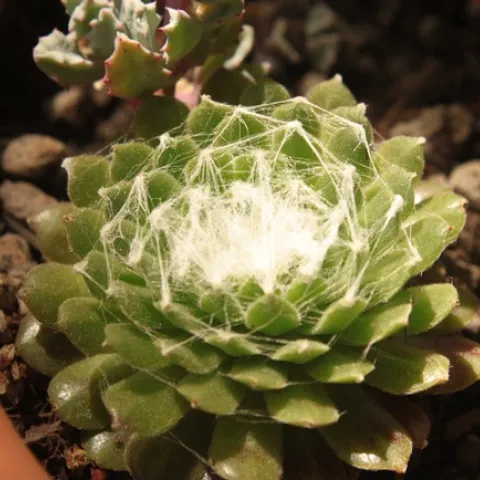
Primary Image
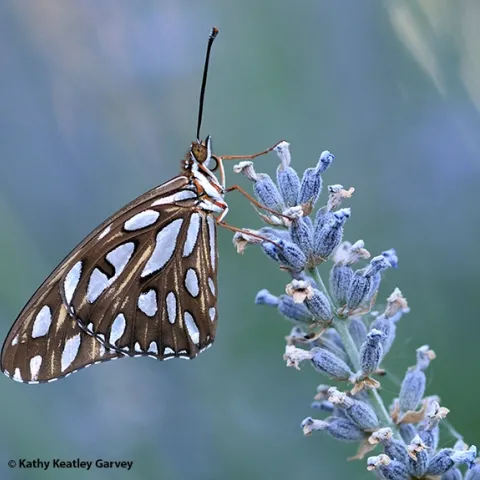
Hare Barley
UC Weed Science (weed control, management, ecology, and minutia): Article

The many faces of foxtails

April 19, 2021
From roadsides in the city of Fresno to the oak woodlands in nearby Sequoia National Park, annual barleys and bromes are going to seed. In addition to a variety of other grasses, I often hear landowners, weed managers, pet owners, and veterinary advice blogs call these species "foxtails".
View Article
Primary Image
hail pr hueneme
Topics in Subtropics: Article

Hail? No, It Doesnt Happen Here?

April 19, 2021
By Ben A Faber
Port Hueneme in Snow. January 11, 1949, I.N. Duggan. Hail and lightning and thunder are not common along coastal Southern California, and when it happens, it's worth stopping and looking. On March 11, 2021, it fell from Goleta to the LA beaches.
View Article
UC Cooperative Extension - Madera County: Article

Looking for research collaborators

April 19, 2021
Are you hoping to learn how to control alkali weed better? What about increase your pistachio fertilization efficiency? We're looking for collaborators for two research projects on these subjects, please see the newsletter for more information.
View Article
Primary Image
dragon-fruit-recommendations chart
Topics in Subtropics: Article

Know Thy Pitahaya

April 19, 2021
By Ben A Faber
UC Cooperative Extension advisor Ramiro Lobo has found that the unusually beautiful fruiting cactus - pitahaya or dragon fruit - thrives in Southern California's mild climate. Pitahaya do well in regions where avocados are produced, but use much less water.
View Article
Primary Image
Figure 1. Many brands of total release foggers or "bug bombs" are available to consumers.
The Stanislaus Sprout: Article

Bug Bombs—Dangerous and Not Always Effective

April 19, 2021
By Anne E Schellman
[From Pests in the Urban Landscape blog] Insecticide foggers, also known as total release foggers or bug bombs (Figure 1), are popular products widely available in many retail nurseries and garden centers as well as drug stores, supermarkets, and convenience stores.
View Article
Primary Image
Press Release Chart
Salinas Valley Agriculture: Article

Denomination of Pe: 18 and 19, two new races of downy mildew in spinach

April 18, 2021
Gouda (The Netherlands), 15 April 2021 Two new races of the downy mildew pathogen (Peronospora effusa) on spinach have been denominated by the International Working Group on Peronospora in spinach (IWGP) on the basis of a worldwide evaluation of isolates from growers fields and trap nurseries.
View Article
Primary Image
2 youth with headphones on 2 sides of laptop with 2 adults leaning in behind them
California 4-H Grown: Article

In Appreciation of our 4-H Volunteers

April 18, 2021
By Suzanne Morikawa
Dear 4-H Volunteer, It's been a year, hasn't it? One year ago in April, we were all thinking hard about our capacity to deliver 4-H programming virtually. For some, the ask was too much given the realities of everyone suddenly at home: working, schooling and managing all the things.
View Article
Thrips/TSWV Kings: Article

2021 Second report (April 17th)

April 17, 2021
By Neil McRoberts
General outlook We're heading into to a run of slightly warmer weather which will last about a week and accelerate thrips development. With some planting still in progress and many crops at an early stage of growth we're already seeing some TSWV in Fresno Co.
View Article