A Natural Solution for California's Herds: African Catfish Peptides

California's cattle producers and agricultural communities are all too familiar with the rising challenge of antibiotic resistance, making common bacterial infections harder to treat in livestock. But imagine a future where we could tackle these infections with a natural, powerful alternative. Our research points to just that: antimicrobial peptides (AMPs) found in African catfish.

We're really excited about these peptides because African catfish thrive in pathogen-rich freshwater, naturally producing these robust immune compounds in their skin mucus as a defense. This natural origin makes them highly appealing alternatives to synthetic drugs.

Predicted Safety and Potent Action

One of the most compelling aspects of these AMPs is their predicted safety for mammals. Our initial computer analyses suggest that various catfish AMPs are generally recognized as safe (GRAS). We predict they'll be absorbed in the human intestine without causing liver, brain, or heart toxicity. Furthermore, lab tests on a promising peptide, NACAP-II, confirmed it was non-hemolytic, meaning it didn't damage rabbit red blood cells—a strong indicator of its potential safety for mammalian cells.

Beyond safety, these peptides demonstrate effectiveness against problematic bacteria. One study revealed NACAP-II's strong activity against Extended-Spectrum Beta-Lactamase (ESBL)-producing Escherichia coli—a critical concern for both animal and human health due to its resistance to many common antibiotics. Another peptide, ACAP-IV, also showed antibacterial activity against E. coli and Staphylococcus aureus. We believe these AMPs work by directly disrupting bacterial cell membranes, a mechanism that makes it harder for bacteria to develop resistance compared to how they resist traditional antibiotics.
Primary Image
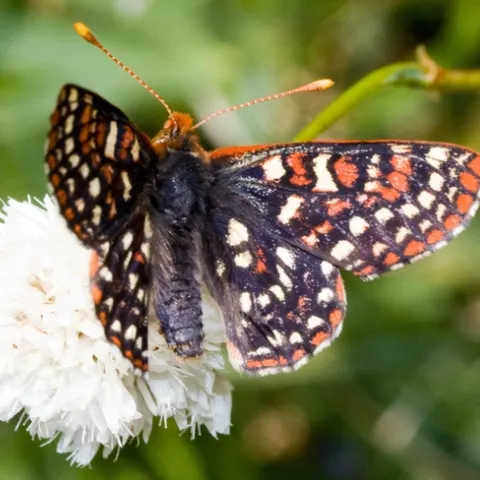
This "floral bouquet" of milkweed contains four monarch eggs. Image taken in Vacaville, Calif. (Photo by Kathy Keatley Garvey)
Bug Squad: Article

A Floral Bouquet Graced with Four Monarch Eggs

December 30, 2020
By Kathy Keatley Garvey
2020 was a troubling year for the monarch butterfly, Danaus plexippus. The severe population decline led the Xerces Society for Invertebrate Conservation to seek endangered species status from the U. S. Fish and Wildlife Service (USFWS). USFWS announced Dec.
View Article
Primary Image
IMG 7685
Under the Solano Sun: Article

December 2020 Miku

December 30, 2020
Missing the Wreath Workshop Spreading much Christmas Joy See you Next Year for Sure...
View Article
Primary Image
Photo by Polly Nelson
UC Master Gardeners- Diggin' it in SLO: Article

Plumeria

December 30, 2020
Plumeria By Polly Nelson UCCE Master Gardener Common Name: Plumeria (Frangipani) Scientific Name: Apocynaceae Planting area: Depends on species, generally USDA zones 8-11 Size: Depends on species and if grown in ground or container.
View Article
Primary Image
weeds bordering avocado orchard
Topics in Subtropics: Article

Can't See the Forest for the Weeds?

December 30, 2020
By Ben A Faber
"A Virtual Conference to Discuss Real-World Weeds". That's a great tag-line for the California Weed Science Society conference and a sign of the times.
View Article
Primary Image
Photo by Tami Reece
UC Master Gardeners- Diggin' it in SLO: Article

Pepper Jelly

December 29, 2020
Pepper Jelly By Carol Michael UCCE Master Food Preserver What are ways to use some of my jams and jellies during the holidays? David C.-Paso Robles Sparkling colorful pepper jelly with cream cheese and crackers has been a favorite holiday appetizer.
View Article