A Natural Solution for California's Herds: African Catfish Peptides

California's cattle producers and agricultural communities are all too familiar with the rising challenge of antibiotic resistance, making common bacterial infections harder to treat in livestock. But imagine a future where we could tackle these infections with a natural, powerful alternative. Our research points to just that: antimicrobial peptides (AMPs) found in African catfish.

We're really excited about these peptides because African catfish thrive in pathogen-rich freshwater, naturally producing these robust immune compounds in their skin mucus as a defense. This natural origin makes them highly appealing alternatives to synthetic drugs.

Predicted Safety and Potent Action

One of the most compelling aspects of these AMPs is their predicted safety for mammals. Our initial computer analyses suggest that various catfish AMPs are generally recognized as safe (GRAS). We predict they'll be absorbed in the human intestine without causing liver, brain, or heart toxicity. Furthermore, lab tests on a promising peptide, NACAP-II, confirmed it was non-hemolytic, meaning it didn't damage rabbit red blood cells—a strong indicator of its potential safety for mammalian cells.

Beyond safety, these peptides demonstrate effectiveness against problematic bacteria. One study revealed NACAP-II's strong activity against Extended-Spectrum Beta-Lactamase (ESBL)-producing Escherichia coli—a critical concern for both animal and human health due to its resistance to many common antibiotics. Another peptide, ACAP-IV, also showed antibacterial activity against E. coli and Staphylococcus aureus. We believe these AMPs work by directly disrupting bacterial cell membranes, a mechanism that makes it harder for bacteria to develop resistance compared to how they resist traditional antibiotics.

Primary Image
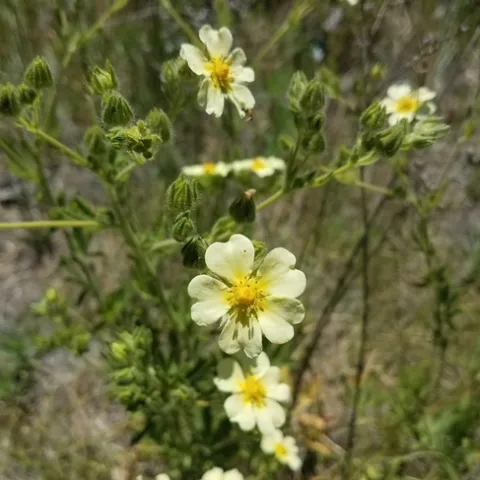
Verbena Fields poppies and bioswale, Laura Lukes
The Real Dirt: Article

Discovering Verbena Fields in Chico

June 19, 2020
If you seek a peaceful place to explore nature and local history on foot or by bicycle, it may be time to explore Verbena Fields. This 20-acre site was historically a floodplain for Lindo Channel and later became used as a gravel mine for road construction.
View Article
Primary Image
Ants head for food on the UC Davis campus. (Photo by Kathy Keatley Garvey)
Bug Squad: Article

Of Ants, Hummingbird Feeders and Feelings

June 18, 2020
By Kathy Keatley Garvey
How do you keep ants off your hummingbird feeders? That was a question a Bug Squad reader asked: "I was wondering if you had any tips on how to keep ants off and out of the hummingbird feeder? I've put Vaseline on the line it hangs from, and that helped for a long time.
View Article
Primary Image
A blooming pollinator garden and research site at Jim Lloyd Butler's avocado ranch in Ventura County. Photo by Gordon Frankie.
Climate Smart Agriculture: Article

The Buzz about Hedgerows

June 18, 2020
By Kristian M Salgado-Jacobo
Hedgerows are an approved practice under California Department of Agriculture's Healthy Soils Grant Program. That means, growers are eligible to receive grant funding for planting hedgerows.
View Article
Primary Image
photo by Gene Ekenstam
Under the Solano Sun: Article

Gardening with Chickens

June 18, 2020
After moving to our house in Benicia 9 years ago, getting all the books on shelves, having the back yard landscaping re-done, and starting our various volunteer activities, we concluded that it was time to begin a new venture. So we bought some newly-hatched chickens (Gallus gallus domesticus).
View Article
Primary Image
Cerano damage M206 vs M105
UC Rice Blog: Article

Cerano herbicide damage on M-206 vs. M-105

June 18, 2020
By Bruce A Linquist
This year we are conducting a study at the Rice Experiment Station to look at lodging differences between M-206 and M-105. There has been anecdotal evidence that M105 is more susceptible to lodging than M-206. We want to quantify this and see if we can manage N to reduce lodging if need be.
View Article
Stanislaus County: Article

Evapotranspiration Report - 6/18/2020

June 18, 2020
Hello all, Please find the attached document to provide the previous weeks estimated water use report in terms of evapotranspiration for almonds, peaches, walnuts, established vineyard, alfalfa, and pasture in Stanislaus County.
View Article