A Natural Solution for California's Herds: African Catfish Peptides

California's cattle producers and agricultural communities are all too familiar with the rising challenge of antibiotic resistance, making common bacterial infections harder to treat in livestock. But imagine a future where we could tackle these infections with a natural, powerful alternative. Our research points to just that: antimicrobial peptides (AMPs) found in African catfish.

We're really excited about these peptides because African catfish thrive in pathogen-rich freshwater, naturally producing these robust immune compounds in their skin mucus as a defense. This natural origin makes them highly appealing alternatives to synthetic drugs.

Predicted Safety and Potent Action

One of the most compelling aspects of these AMPs is their predicted safety for mammals. Our initial computer analyses suggest that various catfish AMPs are generally recognized as safe (GRAS). We predict they'll be absorbed in the human intestine without causing liver, brain, or heart toxicity. Furthermore, lab tests on a promising peptide, NACAP-II, confirmed it was non-hemolytic, meaning it didn't damage rabbit red blood cells—a strong indicator of its potential safety for mammalian cells.

Beyond safety, these peptides demonstrate effectiveness against problematic bacteria. One study revealed NACAP-II's strong activity against Extended-Spectrum Beta-Lactamase (ESBL)-producing Escherichia coli—a critical concern for both animal and human health due to its resistance to many common antibiotics. Another peptide, ACAP-IV, also showed antibacterial activity against E. coli and Staphylococcus aureus. We believe these AMPs work by directly disrupting bacterial cell membranes, a mechanism that makes it harder for bacteria to develop resistance compared to how they resist traditional antibiotics.


Primary Image
UC Davis Chancellor Gary May delivered the COVID-19 seminar introduction. In the right corner is organizer-moderator Walter Leal.
Bug Squad: Article

COVID-19 Virtual Symposium: 'You Are My Heroes'

April 24, 2020
By Kathy Keatley Garvey
I just wanted to thank you! You are my heroes. So began an unsolicited email to UC Davis distinguished professor Walter Leal, who organized and moderated a UC Davis-based COVID-19 virtual symposium spotlighting the expertise of physicians, scientists and a COVID-19 survivor.
View Article
Primary Image
IMG 1267
UCCE San Bernardino County Consumer and Family Science News: Article

Volunteer Appreciation

April 24, 2020
By Christine Davidson
This week we are celebrating National Volunteer Week by highlighting the volunteers and partners who are a vital part to the success of UCCE programs. On February 24, 2020 UCCE San Bernardino hosted an appreciation dinner to recognize the invaluable volunteers and partners.
View Article
UC Master Gardener Program Statewide Blog: Article

Gardeners with Heart: First Year Master Gardeners are Second to None

April 24, 2020
UC Master Gardener Volunteers are excellent teachers and community educators whether they've been with our program for one year or twenty! The two extraordinary volunteers featured in this article are early in their UC Master Gardener Volunteer involvement but have already made themselves indispensa...
View Article
Under the Solano Sun: Article

Grape Pruning

April 24, 2020
Once upon a time, on a cold, drizzly morning, an eager Master Gardener set out to prune some grapevines in a faraway land, in Winters.
View Article
Primary Image
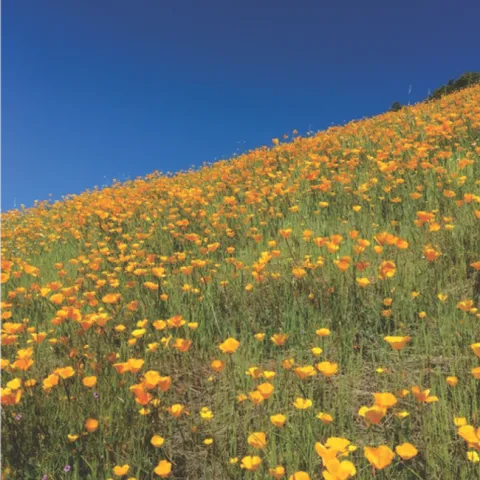
California poppies
Spill the Beans: Article

Plentiful Poppies

April 24, 2020
Editor's note: Master Gardeners are keeping busy in their own gardens during Napa County's Shelter in Place directive.
View Article
Primary Image
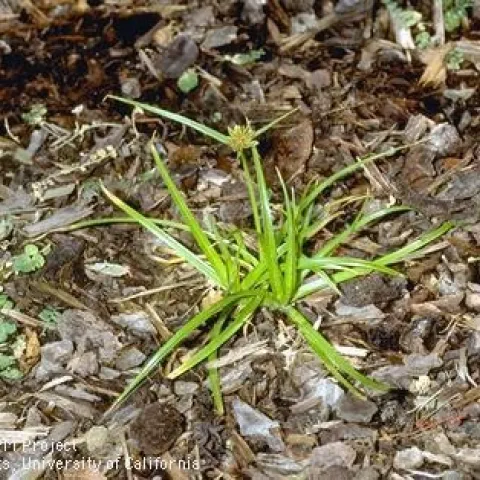
Yellow nutsedge growing through a shallow layer of mulch.<br>(Credit: Jack Kelly Clark)
Pests in the Urban Landscape: Article

April Gardening Tips: Weeding

April 24, 2020
As you practice social distancing during COVID-19, you may find yourself spending more time in the garden. As we move into nice weather, we are sharing a few gardening tips for pest management. Manage weeds using nonchemical methods such as cultivation, handweeding, or mowing.
View Article
Primary Image
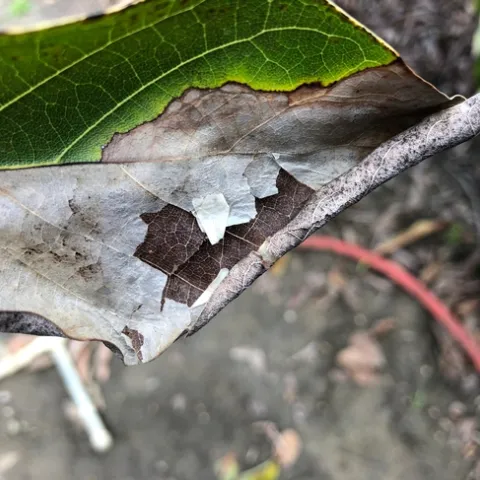
avocado cuticle
Topics in Subtropics: Article

Avocado Leaf Cuticle Limits Nutrient Uptake

April 24, 2020
By Ben A Faber
Foliar fertilizer application is sometimes promoted as an effective means of supplying nutrients to avocado. On the market are various products being promoted as foliar nutrients for avocado, some proponents even suggest that their products do away with the need for soil applied nutrients.
View Article