A Natural Solution for California's Herds: African Catfish Peptides

California's cattle producers and agricultural communities are all too familiar with the rising challenge of antibiotic resistance, making common bacterial infections harder to treat in livestock. But imagine a future where we could tackle these infections with a natural, powerful alternative. Our research points to just that: antimicrobial peptides (AMPs) found in African catfish.

We're really excited about these peptides because African catfish thrive in pathogen-rich freshwater, naturally producing these robust immune compounds in their skin mucus as a defense. This natural origin makes them highly appealing alternatives to synthetic drugs.

Predicted Safety and Potent Action

One of the most compelling aspects of these AMPs is their predicted safety for mammals. Our initial computer analyses suggest that various catfish AMPs are generally recognized as safe (GRAS). We predict they'll be absorbed in the human intestine without causing liver, brain, or heart toxicity. Furthermore, lab tests on a promising peptide, NACAP-II, confirmed it was non-hemolytic, meaning it didn't damage rabbit red blood cells—a strong indicator of its potential safety for mammalian cells.

Beyond safety, these peptides demonstrate effectiveness against problematic bacteria. One study revealed NACAP-II's strong activity against Extended-Spectrum Beta-Lactamase (ESBL)-producing Escherichia coli—a critical concern for both animal and human health due to its resistance to many common antibiotics. Another peptide, ACAP-IV, also showed antibacterial activity against E. coli and Staphylococcus aureus. We believe these AMPs work by directly disrupting bacterial cell membranes, a mechanism that makes it harder for bacteria to develop resistance compared to how they resist traditional antibiotics.
Primary Image
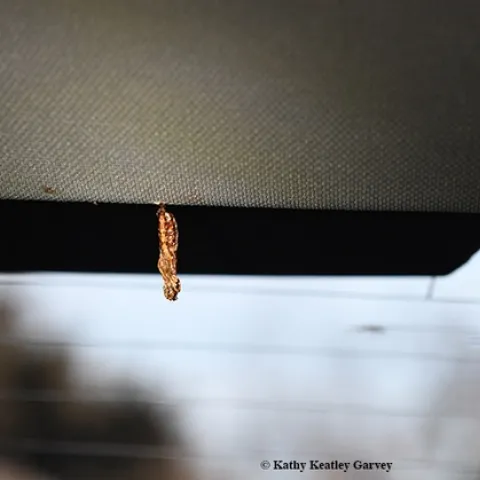
Mummied fruit on tree.
Under the Solano Sun: Article

October Garden Tasks

October 23, 2019
Even though summer has ended, there's still a ton of tasks for gardeners this month. In October you should continue to clean up any fruit that has fallen to the ground and to remove any fruit mummies left on the tree to help minimize diseases.
View Article
Primary Image
SJV spray applic shortcourse
UC Weed Science (weed control, management, ecology, and minutia): Article

Meeting announcement: spray application short course

October 23, 2019
By Brad Hanson
Its not too late to register for the San Joaquin Valley Spray Application Short Course (November 12-14). Here's a link to the webpage: https://ucanr.edu/sites/SJVSprayApplication/Home/ Here's a link to the full agenda: https://ucanr.
View Article
Primary Image
Apples October
Healthy Central Sierra: Article

October's Harvest of the Month: Apples

October 22, 2019
Since apples are available in stores year-round, it's easy to forget that their peak season is in the Autumn but nothing announces the arrival of Fall quite like a crisp apple.
View Article
Primary Image
Asclepias Seedpod photo by Karen Metz
Under the Solano Sun: Article

An Unexpected Reward

October 22, 2019
I started growing milkweed a few years ago when I heard about declining numbers of Monarch butterflies. I planted Narrow-leaf Milkweed or Asclepias fasicularis, a California native. This plant is a perennial that dies back every winter but comes back in spring.
View Article
Merced County Cooperative Extension: Article

October 2019

October 22, 2019
Upcoming ?eld day General Notes Jan 26 - 28, 2020. 58th National Sweet Potato Convention at the Renaissance Nashville Hotel.
View Article