A Natural Solution for California's Herds: African Catfish Peptides

California's cattle producers and agricultural communities are all too familiar with the rising challenge of antibiotic resistance, making common bacterial infections harder to treat in livestock. But imagine a future where we could tackle these infections with a natural, powerful alternative. Our research points to just that: antimicrobial peptides (AMPs) found in African catfish.

We're really excited about these peptides because African catfish thrive in pathogen-rich freshwater, naturally producing these robust immune compounds in their skin mucus as a defense. This natural origin makes them highly appealing alternatives to synthetic drugs.

Predicted Safety and Potent Action

One of the most compelling aspects of these AMPs is their predicted safety for mammals. Our initial computer analyses suggest that various catfish AMPs are generally recognized as safe (GRAS). We predict they'll be absorbed in the human intestine without causing liver, brain, or heart toxicity. Furthermore, lab tests on a promising peptide, NACAP-II, confirmed it was non-hemolytic, meaning it didn't damage rabbit red blood cells—a strong indicator of its potential safety for mammalian cells.

Beyond safety, these peptides demonstrate effectiveness against problematic bacteria. One study revealed NACAP-II's strong activity against Extended-Spectrum Beta-Lactamase (ESBL)-producing Escherichia coli—a critical concern for both animal and human health due to its resistance to many common antibiotics. Another peptide, ACAP-IV, also showed antibacterial activity against E. coli and Staphylococcus aureus. We believe these AMPs work by directly disrupting bacterial cell membranes, a mechanism that makes it harder for bacteria to develop resistance compared to how they resist traditional antibiotics.
Kings County UC Cooperative Extension: Article

August 2019

August 9, 2019
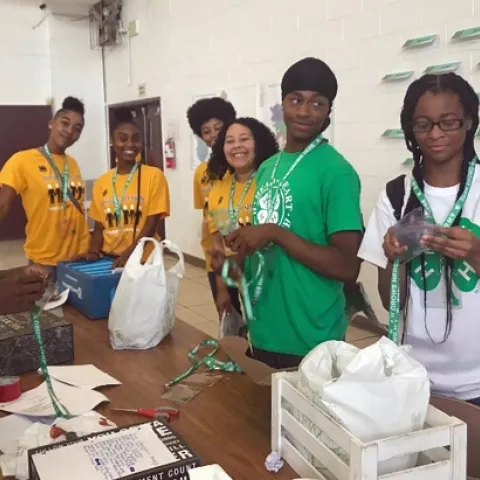
**Also a Reminder about our Job Posting Notice We are excited to announce that the County of Kings will be adopting (from the UC ANR) the 4-H program representative staff position and making it a county position.
View Article
Primary Image
Mosquito feeding. (Jack Kelly Clark)
The Stanislaus Sprout: Article

West Nile Virus vs Zika Virus Part II

August 9, 2019
By Anne E Schellman
In Part I, we discussed why mosquitoes bite, and which mosquito species can spread West Nile and Zika virus. Now, let's talk about what mosquitoes need to reproduce, how to prevent them from breeding around your home, and best methods to protect yourself and your family while outdoors.
View Article
Blog - Forest Research and Outreach : Article

Scientists Are Using Laser Technology to “Fireproof” California

August 9, 2019
By Susan D Kocher
Reprinted from California Magazine Vista View at North Sonoma Mountain Regional Park // Detail of photo courtesy of harminder dhesi / flickr When the Tubbs and Nuns wildfires exploded across Sonoma County in 2017, firefighters found they lacked critical information.
View Article
Article

Volume 70

August 9, 2019
Produce Safety from Purchase to Consumption: Shopping; Storing; Preparing...
View Article
Primary Image
eucaplyptus drive 1930 Hogg, Auto Club C. CA
Topics in Subtropics: Article

Blue Gum Mulch

August 9, 2019
By Ben A Faber
Much has been made of the lethal effects of eucalyptus when living plants and their residues are near other desirable plants. Blue gum eucalyptus probably is the most widely grown euc in California and it particularly carries the onus of being a bad neighbor.
View Article
Primary Image
Trunk of a cork oak by Claus Ableiter
The Real Dirt: Article

Local Trees: The Cork Oak

August 9, 2019
Why are wine bottles tall and narrow? That distinctive shape contributes to the happy marriage between cork and a bottle made tall enough to lie on its side so the wine can breathe through the cork as it matures.
View Article
Primary Image
Legendary Lepidopterists Paul Opler (left), an octogenarian, and Robert Michael Pyle, a septuagenarian, chat during their visit to the Bohart Museum of Entomology. It was part of the Lepidopterists' Society's 68th annual conference. (Photo by Kathy Keatley Garvey)
Bug Squad: Article

A Gathering of Lepidopterists at UC Davis

August 8, 2019
By Kathy Keatley Garvey
They are legends. Two of those attending the four-day international Lepidopterists' Society conference held recently at the University of California, Davis, are as celebrated in Lepidoptera circles as the butterflies they study.
View Article