A Natural Solution for California's Herds: African Catfish Peptides

California's cattle producers and agricultural communities are all too familiar with the rising challenge of antibiotic resistance, making common bacterial infections harder to treat in livestock. But imagine a future where we could tackle these infections with a natural, powerful alternative. Our research points to just that: antimicrobial peptides (AMPs) found in African catfish.

We're really excited about these peptides because African catfish thrive in pathogen-rich freshwater, naturally producing these robust immune compounds in their skin mucus as a defense. This natural origin makes them highly appealing alternatives to synthetic drugs.

Predicted Safety and Potent Action

One of the most compelling aspects of these AMPs is their predicted safety for mammals. Our initial computer analyses suggest that various catfish AMPs are generally recognized as safe (GRAS). We predict they'll be absorbed in the human intestine without causing liver, brain, or heart toxicity. Furthermore, lab tests on a promising peptide, NACAP-II, confirmed it was non-hemolytic, meaning it didn't damage rabbit red blood cells—a strong indicator of its potential safety for mammalian cells.

Beyond safety, these peptides demonstrate effectiveness against problematic bacteria. One study revealed NACAP-II's strong activity against Extended-Spectrum Beta-Lactamase (ESBL)-producing Escherichia coli—a critical concern for both animal and human health due to its resistance to many common antibiotics. Another peptide, ACAP-IV, also showed antibacterial activity against E. coli and Staphylococcus aureus. We believe these AMPs work by directly disrupting bacterial cell membranes, a mechanism that makes it harder for bacteria to develop resistance compared to how they resist traditional antibiotics.
Primary Image
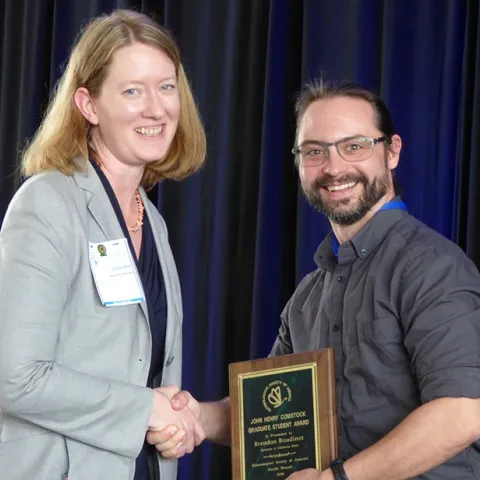
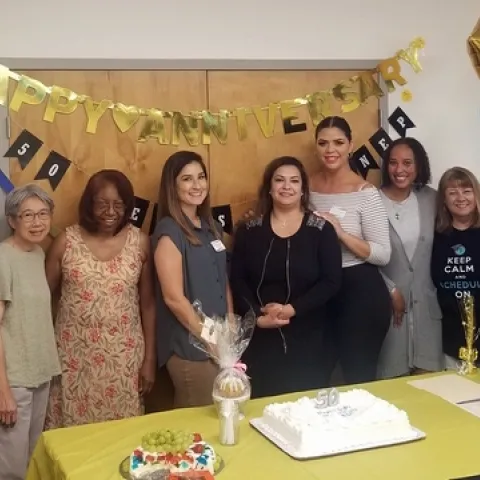
50th efnep
UCCE San Bernardino County Consumer and Family Science News: Article

EFNEP Celebrates 50th Anniversary

July 31, 2019
By Christine Davidson
The Riverside and San Bernardino county Expanded Food and Nutrition Education Program team hosted a celebration lunch for the 50th anniversary of EFNEP.
View Article
Under the Solano Sun: Article

Hot Miku

July 31, 2019
Hot August Days Cool Delta Breezes Enjoy what Nature has to Offer...
View Article
Primary Image
Home landscape with woody mulch and flowering ground cover.
Pests in the Urban Landscape: Article

UC IPM Resources for Landscape Professionals

July 31, 2019
By Karey Windbiel-Rojas
[Originally published in the Winter 2019 issue of the Green Bulletin] UC IPM is a statewide program within the University of California Division of Agriculture and Natural Resources.
View Article
UC 4-H Program of Tuolumne County: Article

August 2019

July 31, 2019
In this issue: - Enrollment Information - Concours d'elegance - Letter from the County Director...
View Article
Primary Image
Amer Fayad
ANR Employee News: Article

Names in the News

July 31, 2019
By Pamela S Kan-Rice
Fayad named Western IPM Center director Amer Fayad joined ANR on July 8, 2019 as director of the Western Integrated Pest Management Center.
View Article
Under the Solano Sun: Article

Natives at the Museum!

July 31, 2019
If you are looking for a place to view some wonderful California Native plants, look no further than the Vacaville Museum: Center for Solano County History and Culture. The Museum has provided a lovely guide for their Native Plant Garden, which is located in a delightful shaded area.
View Article
ANR News Blog: Article

July 2019 News clips (July 1-15)

July 31, 2019
By Pamela S Kan-Rice
Inside The Lives Of Farmworkers: Top 5 Lessons I Learned On The Ground (NPR) Dan Charles, July 15 Philip Martin, an economist at the University of California, Davis, who's spent his professional life studying farm labor markets, says employers are adapting to the worker shortage in four different wa...
View Article