A Natural Solution for California's Herds: African Catfish Peptides

California's cattle producers and agricultural communities are all too familiar with the rising challenge of antibiotic resistance, making common bacterial infections harder to treat in livestock. But imagine a future where we could tackle these infections with a natural, powerful alternative. Our research points to just that: antimicrobial peptides (AMPs) found in African catfish.

We're really excited about these peptides because African catfish thrive in pathogen-rich freshwater, naturally producing these robust immune compounds in their skin mucus as a defense. This natural origin makes them highly appealing alternatives to synthetic drugs.

Predicted Safety and Potent Action

One of the most compelling aspects of these AMPs is their predicted safety for mammals. Our initial computer analyses suggest that various catfish AMPs are generally recognized as safe (GRAS). We predict they'll be absorbed in the human intestine without causing liver, brain, or heart toxicity. Furthermore, lab tests on a promising peptide, NACAP-II, confirmed it was non-hemolytic, meaning it didn't damage rabbit red blood cells—a strong indicator of its potential safety for mammalian cells.

Beyond safety, these peptides demonstrate effectiveness against problematic bacteria. One study revealed NACAP-II's strong activity against Extended-Spectrum Beta-Lactamase (ESBL)-producing Escherichia coli—a critical concern for both animal and human health due to its resistance to many common antibiotics. Another peptide, ACAP-IV, also showed antibacterial activity against E. coli and Staphylococcus aureus. We believe these AMPs work by directly disrupting bacterial cell membranes, a mechanism that makes it harder for bacteria to develop resistance compared to how they resist traditional antibiotics.
Primary Image
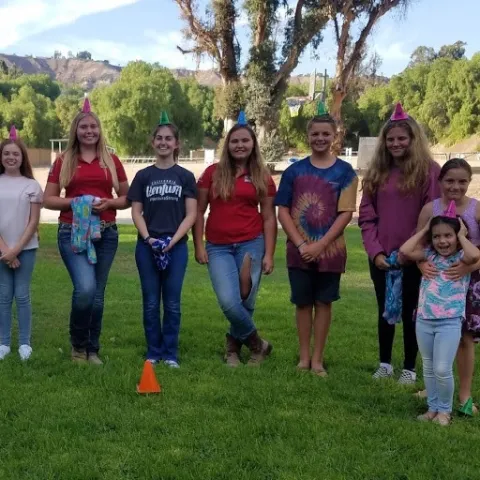
Lilliana Ruiz (left), Jeff Mitchell, and Sophia Garcia, following the video presentation by Ruiz and Garcia to twenty staff members of the Kearney Agricultural Research and Extension Center in Parlier, CA, July 19, 2019
Conservation Agriculture: Article

Wonderful Company Interns wrap up summer program at KARE!

July 22, 2019
By Jeffrey P Mitchell
July 19, 2019 Two junior-year students at Washington Union High School in Easton, CA, Sophia Garcia and Lilliana Ruiz, successfully completed their two-week internship with the Wonderful Company at UC ANR's Kearney Agricultural Research and Extension Center.
View Article
Primary Image
Birds of Napa County--see the locals.
Napa Master Gardener Column: Article

This Backyard Is for the Birds.

July 22, 2019
By T. Eric Nightingale, UC Master Gardener of Napa County Gardening is fun, of that there is little doubt. It begins with a trip to the nursery, picking out those perfect plants from the multitudes of foliage. Then the dirty work begins.
View Article
Article

Staff and academic salary programs for 2019-20

July 22, 2019
By Pamela S Kan-Rice
Dear Colleagues, My ANR Budget Update 2019-20 provided an overview of our budget challenges and described actions we have taken or may take in response to shrinking financial support from the state.
View Article
Primary Image
Two people stand on a grassland prairie under a big blue sky, looking toward the horizon with binoculars.
California Naturalist: Article

Transformational learning

July 22, 2019
By Gregory C Ira
Transformationalthe class gave me tools to transform intent to application, especially in areas where I've been unsure how best to be effective. I am still aglow with my new eyes that can see so much more clearer with a naturalist lens.
View Article
Primary Image
citrus dry root rot

Citrus Dry Root Rot

July 22, 2019
By Ben A Faber
Nick Sakovich, Emeritus Farm Advisor Dry Root Rot has menaced growers in Ventura County for many years. In the 50's and 60's it seemed most prevalent on older orange trees. A few years after the wet winter of 1968-69, dry root rot became an increasing problem among citrus trees of all ages.
View Article
Primary Image
walrus canning
Master Food Preservers San Bernardino County: Article

Wow, Take a Look at This Site: University of Alaska

July 22, 2019
University of Alaska Publications Wondering about the illustration above? Check out the link--just click it. It is a place to go to find out about all sorts of canning: From Kale to Cabbage, Sauerkraut and Seaweed, Chicken and Moose. . .
View Article