A Natural Solution for California's Herds: African Catfish Peptides

California's cattle producers and agricultural communities are all too familiar with the rising challenge of antibiotic resistance, making common bacterial infections harder to treat in livestock. But imagine a future where we could tackle these infections with a natural, powerful alternative. Our research points to just that: antimicrobial peptides (AMPs) found in African catfish.

We're really excited about these peptides because African catfish thrive in pathogen-rich freshwater, naturally producing these robust immune compounds in their skin mucus as a defense. This natural origin makes them highly appealing alternatives to synthetic drugs.

Predicted Safety and Potent Action

One of the most compelling aspects of these AMPs is their predicted safety for mammals. Our initial computer analyses suggest that various catfish AMPs are generally recognized as safe (GRAS). We predict they'll be absorbed in the human intestine without causing liver, brain, or heart toxicity. Furthermore, lab tests on a promising peptide, NACAP-II, confirmed it was non-hemolytic, meaning it didn't damage rabbit red blood cells—a strong indicator of its potential safety for mammalian cells.

Beyond safety, these peptides demonstrate effectiveness against problematic bacteria. One study revealed NACAP-II's strong activity against Extended-Spectrum Beta-Lactamase (ESBL)-producing Escherichia coli—a critical concern for both animal and human health due to its resistance to many common antibiotics. Another peptide, ACAP-IV, also showed antibacterial activity against E. coli and Staphylococcus aureus. We believe these AMPs work by directly disrupting bacterial cell membranes, a mechanism that makes it harder for bacteria to develop resistance compared to how they resist traditional antibiotics.
Primary Image
photos by Launa Herrmann
Under the Solano Sun: Article

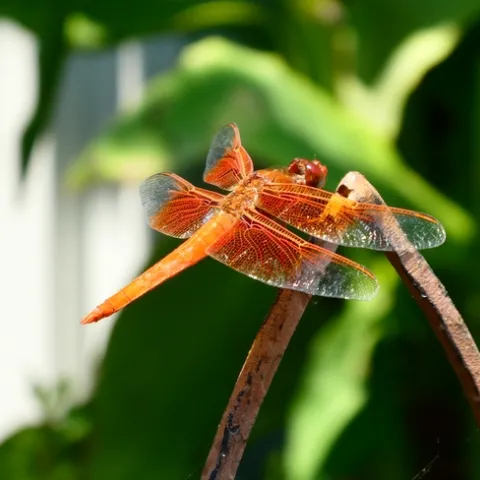
A Riveting Red Wing Dragonfly

July 10, 2019
Each summer I anticipate the annual return of a dragonfly to my backyard patio-pool area. Like clockwork, this Odonata anisoptera appears, perching atop a narrow 3' high metal garden trellis, surveying the pool before zooming down to encircle the water.
View Article
Primary Image
IMG 20190702 104811
Crop Biostimulants: Article

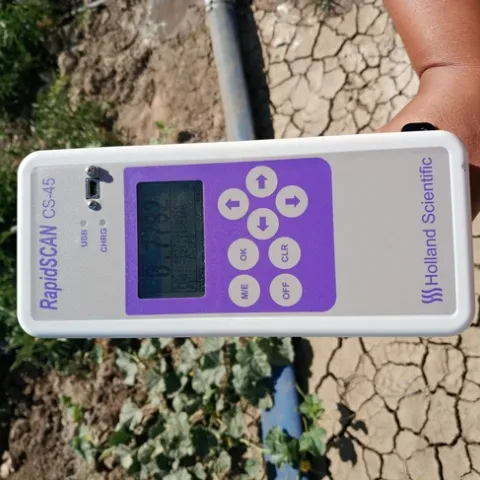
Crop Growth Measurement after Biostimulant Application

July 10, 2019
By Zheng Wang
How crop growth responds to biostimulant application is important for growers to know the product efficacy. Besides fruit yield, other parameters are equally important as indicators to show the effects.
View Article
Article

Zoom for Mac critical update

July 10, 2019
We are big fans of Zoom at UC ANR for our voice and video communication needs. However, a recently discovered vulnerability in the application means anyone using Zoom on a Mac must update their software immediately. You can download and install the updated version.
View Article
Livestock, Range and Natural Resources: Article

Summer 2019

July 10, 2019
In this brief summer issue: Economics focus: Cost study published New ways to bring income to a farm or ranch Niche marketing considerations...
View Article
Primary Image
bee on marigold

Buzzing News Hub

July 10, 2019
By Ben A Faber
Research to help plant growers protect bees and manage pests. A group of scientists from the IR-4 Project is doing research to explore the relationships between bees, environmental horticulture plants, and pesticides.
View Article
Primary Image
V-MA-TSPP-AD.001
Community Pest News: Article

Gophers: Updated UC IPM Pest Notes

July 9, 2019
By Karey Windbiel-Rojas
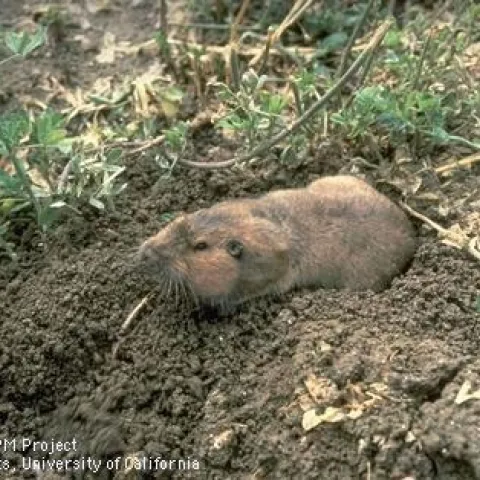
Just published! The recently updated version of the publication Pest Notes: Pocket Gophers has been added to the UC IPM website. http://ipm.ucanr.edu/PMG/PESTNOTES/pn7433.html Updated information about life cycle and control methods.
View Article
Primary Image
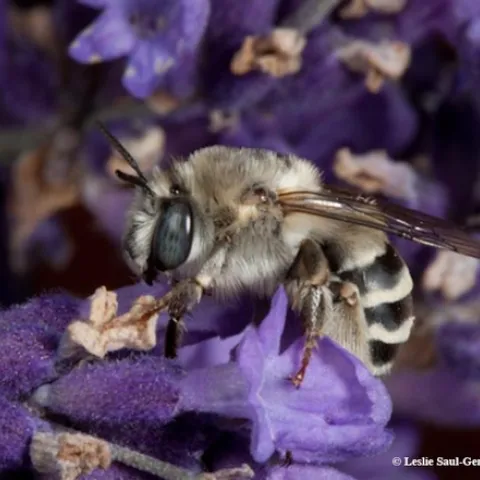
Solar energy can be used to protect pollinator habitat, according to a research paper published July 9 in the journal Nature. This is Anthophora urbana, a ground-nesting solitary bee which has a broad distribution including the Mojave Desert. It is a floral generalist collecting pollen and nectar from many species of plants, says UC Davis entomologist Leslie Saul-Gershenz. (Photo by Leslie Saul-Gershenz)
Bug Squad: Article

Pollinator Habitat: Important Part of Solar Energy Study

July 9, 2019
By Kathy Keatley Garvey
Solar energy should not only be used to benefit global sustainability, but to protect our global ecological systems, including climate, air quality, water and wildlife, says an international team of 16 researchers, including several UC Davis scientists, in a newly published study in the journal Natu...
View Article