A Natural Solution for California's Herds: African Catfish Peptides

California's cattle producers and agricultural communities are all too familiar with the rising challenge of antibiotic resistance, making common bacterial infections harder to treat in livestock. But imagine a future where we could tackle these infections with a natural, powerful alternative. Our research points to just that: antimicrobial peptides (AMPs) found in African catfish.

We're really excited about these peptides because African catfish thrive in pathogen-rich freshwater, naturally producing these robust immune compounds in their skin mucus as a defense. This natural origin makes them highly appealing alternatives to synthetic drugs.

Predicted Safety and Potent Action

One of the most compelling aspects of these AMPs is their predicted safety for mammals. Our initial computer analyses suggest that various catfish AMPs are generally recognized as safe (GRAS). We predict they'll be absorbed in the human intestine without causing liver, brain, or heart toxicity. Furthermore, lab tests on a promising peptide, NACAP-II, confirmed it was non-hemolytic, meaning it didn't damage rabbit red blood cells—a strong indicator of its potential safety for mammalian cells.

Beyond safety, these peptides demonstrate effectiveness against problematic bacteria. One study revealed NACAP-II's strong activity against Extended-Spectrum Beta-Lactamase (ESBL)-producing Escherichia coli—a critical concern for both animal and human health due to its resistance to many common antibiotics. Another peptide, ACAP-IV, also showed antibacterial activity against E. coli and Staphylococcus aureus. We believe these AMPs work by directly disrupting bacterial cell membranes, a mechanism that makes it harder for bacteria to develop resistance compared to how they resist traditional antibiotics.
Primary Image
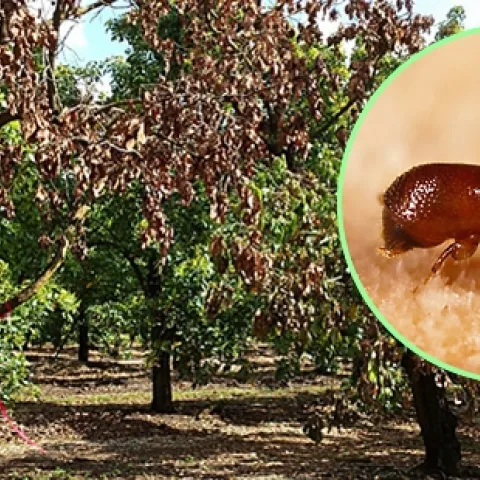
avocado lindcove
Topics in Subtropics: Article

Tree Staking Myths

February 1, 2019
By Ben A Faber
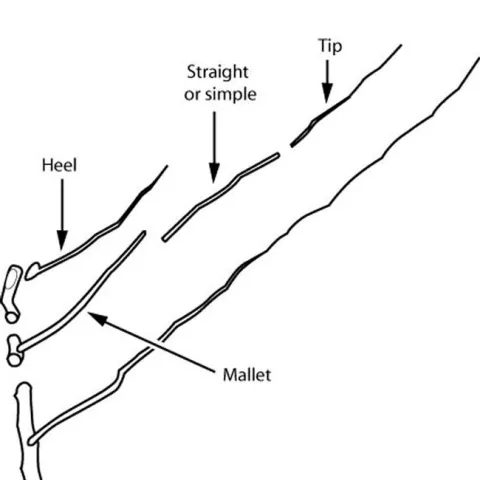
"Trees should be firmly staked at planting" MYTH!!!!!!!!!!!!!!! Read on: Chalker-Scott, L. , Extension Specialist And Associate Professor, Washington State University Downer, A.J.
View Article
Primary Image
From left are distinguished emerita professor M.R.C. Greenwood, chair of the UC Davis Emeriti Association Awards and Recognition Committee; distinguished emeritus professor Robert E. Page Jr., and UC Davis Chancellor Gary S. May. (Photo by Kathy Keatley Garvey)
Bug Squad: Article

In Praise of a Honey Bee Geneticist

January 31, 2019
By Kathy Keatley Garvey
Accolades flowed when honey bee geneticist Robert E. Page Jr., received the 2019 UC Davis Distinguished Emeritus Professor Award at the annual Academic Retiree and Emeriti Award Luncheon, held Jan. 28 in the UC Davis Conference Center.
View Article

What Time of Year is it Anyway?

January 31, 2019
Just came back in from the backyard on a dreary, cold, and trying-to-rain day, and I'm confused! Isn't this the week before Christmas Day in December--, or am I wrong?
View Article
Kern County: Article

February 2019

January 31, 2019
Dormant Training of 'Golden Hills' A Blast From The Past! Running Out Of Time To Get Help From Mother Nature In Getting Those Pre-Emergent Herbicides Applied Insufficient Spring Irrigation Increases Abnormal Splitting of Pistachio Nuts...
View Article
Tehama County: Article

February 2019 Livestock and Range News

January 31, 2019
*Winter Animal Health Meetings* February 15, 2019 ORLAND Orland Livestock Auction Yard 3877 Co Rd 99W, Orland, CA 95963 11:00 am1:45 pm COTTONWOOD Shasta Livestock Auction Yard, 3917 Main Street, Cottonwood, CA 5:15 pm7:45 pm...
View Article
Glenn County: Article

February 2019 Livestock and Range News

January 31, 2019
*Winter Animal Health Meetings* February 15, 2019 ORLAND Orland Livestock Auction Yard 3877 Co Rd 99W, Orland, CA 95963 11:00 am1:45 pm COTTONWOOD Shasta Livestock Auction Yard, 3917 Main Street, Cottonwood, CA 5:15 pm7:45 pm...
View Article