A Natural Solution for California's Herds: African Catfish Peptides

California's cattle producers and agricultural communities are all too familiar with the rising challenge of antibiotic resistance, making common bacterial infections harder to treat in livestock. But imagine a future where we could tackle these infections with a natural, powerful alternative. Our research points to just that: antimicrobial peptides (AMPs) found in African catfish.

We're really excited about these peptides because African catfish thrive in pathogen-rich freshwater, naturally producing these robust immune compounds in their skin mucus as a defense. This natural origin makes them highly appealing alternatives to synthetic drugs.

Predicted Safety and Potent Action

One of the most compelling aspects of these AMPs is their predicted safety for mammals. Our initial computer analyses suggest that various catfish AMPs are generally recognized as safe (GRAS). We predict they'll be absorbed in the human intestine without causing liver, brain, or heart toxicity. Furthermore, lab tests on a promising peptide, NACAP-II, confirmed it was non-hemolytic, meaning it didn't damage rabbit red blood cells—a strong indicator of its potential safety for mammalian cells.

Beyond safety, these peptides demonstrate effectiveness against problematic bacteria. One study revealed NACAP-II's strong activity against Extended-Spectrum Beta-Lactamase (ESBL)-producing Escherichia coli—a critical concern for both animal and human health due to its resistance to many common antibiotics. Another peptide, ACAP-IV, also showed antibacterial activity against E. coli and Staphylococcus aureus. We believe these AMPs work by directly disrupting bacterial cell membranes, a mechanism that makes it harder for bacteria to develop resistance compared to how they resist traditional antibiotics.
Primary Image
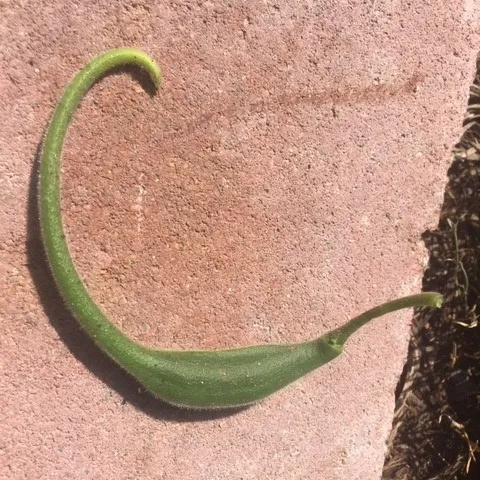
Buckeye in upper Bidwell Park. Photo by Jeanette Alosi
The Real Dirt: Article

What Makes a Plant Drought Tolerant?

September 7, 2018
By Laura Lukes, UC Master Gardener of Butte County, September 7, 2018 You've seen these terms often: drought tolerant, and water-wise. For water conservation and sustainable gardening, Master Gardeners recommend plants that are adapted to the long, hot, dry summers of the Mediterranean climate.
View Article
Primary Image
shot hole borer cake
Topics in Subtropics: Article

Say it Ain't So, But Yes, It's True. Watch Out Blueberries !

September 7, 2018
By Ben A Faber
Akif Eskalen, the Subtropical Crops Plant Pathology Extension Specialist at UC Riverside has accepted a new position at UC Davis. He will be filling the position of his mentor, Doug Gubler. From now on, he will work on grapes, strawberries, caneberries, blueberries and other tree fruits.
View Article
Primary Image
Emily Delk
ANR Employee News: Article

Names in the News

September 6, 2018
By Pamela S Kan-Rice
Delk joins Development Services Emily Delk joined the Development Services team in August as the director of Annual Giving and Donor Stewardship Programs.
View Article
Primary Image
Mark Bell's long weekend view
ANR Adventures: Article

Reflections on Program Council

September 6, 2018
By Wendy Powers
Program Council met on Wednesday. For those who were relaxing over the weekend and staring off into a lake, they were quickly pulled back to reality. We cancelled the Tuesday meeting, assuming we didn't have enough content to justify the day and a half. We ended up rushing to finish on time.
View Article
Primary Image
A female praying mantis, Mantis religiosa (as identified by praying mantis expert and UC Davis student Lohit Garikipati) is camouflaged in the Kate Frey Pollinator Garden, Sonoma Cornerstone. (Photo by Kathy Keatley Garvey)
Bug Squad: Article

Once Upon a Praying Mantis...

September 6, 2018
By Kathy Keatley Garvey
The three men pause in front of the Kate Frey Pollinator Garden at the Sonoma Cornerstone and begin to read the sign. "The Pollinator Garden by Kate Frey," one man reads out loud. "It's brand new, come back soon and watch as it grows. This flower-filled and colorful garden is a pollinator garden.
View Article
Primary Image
CIWR
ANR Employee News: Article

Water-resources research proposals invited from junior investigators

September 6, 2018
By Pamela S Kan-Rice
The California Institute for Water Resources has announced its 2018-19 Request for Proposals. This year, proposals are requested in the junior investigator category only, said Doug Parker, director of the California Institute for Water Resources. Funded projects will begin March 1, 2019.
View Article
Santa Cruz County: Article

4-H Updates

September 6, 2018
Hello 4-H Families, Congratulation to all the 4-H members on their accomplishments and winnings at the Monterey County Fair. It was a nice to see all the 4-H member working together on show days at the fair. We are now gearing up for the Santa Cruz County fair next week.
View Article