A Natural Solution for California's Herds: African Catfish Peptides

California's cattle producers and agricultural communities are all too familiar with the rising challenge of antibiotic resistance, making common bacterial infections harder to treat in livestock. But imagine a future where we could tackle these infections with a natural, powerful alternative. Our research points to just that: antimicrobial peptides (AMPs) found in African catfish.

We're really excited about these peptides because African catfish thrive in pathogen-rich freshwater, naturally producing these robust immune compounds in their skin mucus as a defense. This natural origin makes them highly appealing alternatives to synthetic drugs.

Predicted Safety and Potent Action

One of the most compelling aspects of these AMPs is their predicted safety for mammals. Our initial computer analyses suggest that various catfish AMPs are generally recognized as safe (GRAS). We predict they'll be absorbed in the human intestine without causing liver, brain, or heart toxicity. Furthermore, lab tests on a promising peptide, NACAP-II, confirmed it was non-hemolytic, meaning it didn't damage rabbit red blood cells—a strong indicator of its potential safety for mammalian cells.

Beyond safety, these peptides demonstrate effectiveness against problematic bacteria. One study revealed NACAP-II's strong activity against Extended-Spectrum Beta-Lactamase (ESBL)-producing Escherichia coli—a critical concern for both animal and human health due to its resistance to many common antibiotics. Another peptide, ACAP-IV, also showed antibacterial activity against E. coli and Staphylococcus aureus. We believe these AMPs work by directly disrupting bacterial cell membranes, a mechanism that makes it harder for bacteria to develop resistance compared to how they resist traditional antibiotics.
Primary Image
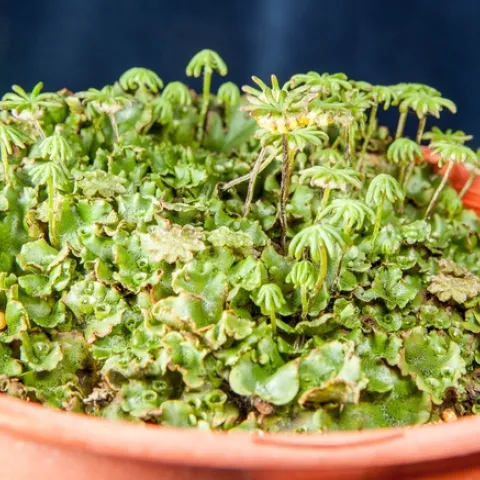
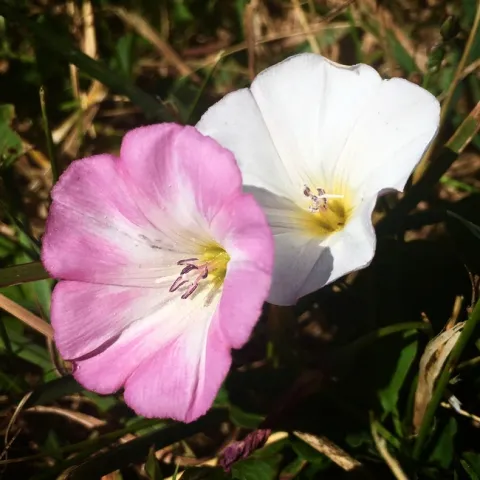
Weeds of CA
UC Weed Science (weed control, management, ecology, and minutia): Article

Weed ID: Traditional Tools to Smartphone Apps

July 15, 2018
Why is weed identification important? Simply stated, because not all management strategies are equally effective against all weed species.
View Article
Primary Image
Whitefly monitoring
Notes in the Margins: Agronomy and Weed Science Musings: Article

Whitefly/Sticky Cotton Monitoring is Underway for 2018 in the San Joaquin Valley

July 15, 2018
Cotton lint stickiness is a significant problem, worldwide. It is also an issue here in California, and a major focus of attention for cotton growers and ginners in the state. Sticky cotton loads can physically slow down the processing speeds of gins, even to the point of shut down.
View Article
Primary Image
ANR Pub 8267 Olives, Safe Methods
Napa Master Gardener Column: Article

Growing Olive Trees in Napa County

July 15, 2018
By Okhoo Hanes, U. C. Master Gardener of Napa County The olive tree (Olea europaea) is well suited to Napa Valley. The tree's Mediterranean origin makes it a natural fit for our sunny, arid and temperate climate.
View Article
Primary Image
citrus and avocado trees are stressed by summer heat
UCCE Master Gardeners of San Bernardino County Blogs: Article

This heat is stressing me (and my trees) out! by Robin Rowe

July 14, 2018
I just returned from a 10-day camping vacation. It seems whenever I am away the temperature reaches triple digits. This year proved no different, except wondering how our recently planted citrus and avocado grove on the very exposed south side of the house endured.
View Article
Primary Image
Rat trap management
Urban Agriculture: Article

Rat Management in School and Community Gardens.

July 13, 2018
By Niamh M Quinn
It is important for food-safety reasons to manage rats in school and community gardens. Rats and other wildlife can carry a number of diseases that can be deposited in the form of urine and feces on fruit, vegetables, and in the soil.
View Article
Stanislaus County: Article

Evapotranspiration Report - 7/12/2018

July 13, 2018
Hello all, Please find the attached document to provide the previous weeks estimated water use report in terms of evapotranspiration for almonds, peaches, walnuts, established vineyard, alfalfa and pasture in Stanislaus County.
View Article
Cooperative Extension San Joaquin County: Article

2018 Grafted Fresh Market Tomato Field Day

July 13, 2018
University of California Cooperative Extension Grafted Fresh Market Tomato Field Day Farmington, CA Friday, July 27th, 2018 Corrected date!!!!! view or download the map and details...
View Article