A Natural Solution for California's Herds: African Catfish Peptides

California's cattle producers and agricultural communities are all too familiar with the rising challenge of antibiotic resistance, making common bacterial infections harder to treat in livestock. But imagine a future where we could tackle these infections with a natural, powerful alternative. Our research points to just that: antimicrobial peptides (AMPs) found in African catfish.

We're really excited about these peptides because African catfish thrive in pathogen-rich freshwater, naturally producing these robust immune compounds in their skin mucus as a defense. This natural origin makes them highly appealing alternatives to synthetic drugs.

Predicted Safety and Potent Action

One of the most compelling aspects of these AMPs is their predicted safety for mammals. Our initial computer analyses suggest that various catfish AMPs are generally recognized as safe (GRAS). We predict they'll be absorbed in the human intestine without causing liver, brain, or heart toxicity. Furthermore, lab tests on a promising peptide, NACAP-II, confirmed it was non-hemolytic, meaning it didn't damage rabbit red blood cells—a strong indicator of its potential safety for mammalian cells.

Beyond safety, these peptides demonstrate effectiveness against problematic bacteria. One study revealed NACAP-II's strong activity against Extended-Spectrum Beta-Lactamase (ESBL)-producing Escherichia coli—a critical concern for both animal and human health due to its resistance to many common antibiotics. Another peptide, ACAP-IV, also showed antibacterial activity against E. coli and Staphylococcus aureus. We believe these AMPs work by directly disrupting bacterial cell membranes, a mechanism that makes it harder for bacteria to develop resistance compared to how they resist traditional antibiotics.
Primary Image
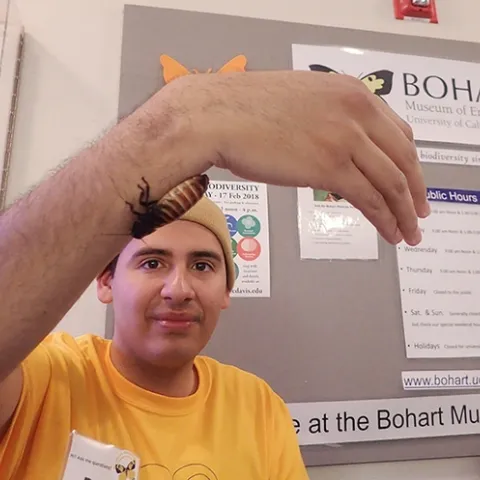
UC Davis student Diego Rivera shows a Madagascar hissing cockroach. (Photo by Kathy Keatley Garvey)
Bug Squad: Article

Who Doesn't Love Bugs?

February 20, 2018
By Kathy Keatley Garvey
Raise your hands! How many of you love bugs? If you had asked that question at the Bohart Museum of Entomology open house at the seventh annual Biodiversity Museum Day last Saturday at the University of California, Davis, the Yellow Shirts would have been proud.
View Article
Primary Image
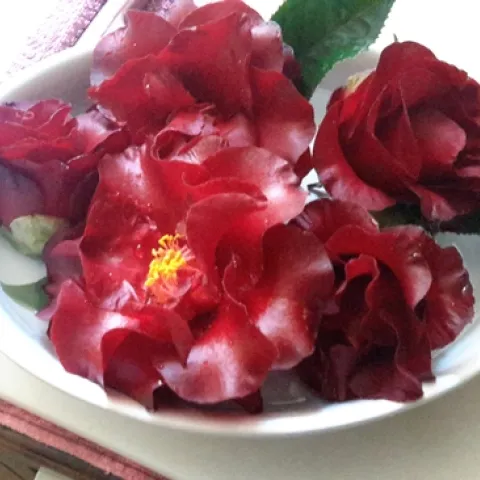
Night Rider camellia. photos by Betty Victor
Under the Solano Sun: Article

Night Rider

February 20, 2018
I have three camellia plants, in my yard. The first one of the three shrubs blooms mid-January. The other two usually late February and March. The early bloomer is Camellia japonica 'Night Rider' just as the name suggests it is a very dark maroon almost black with semi double blossoms.
View Article
Primary Image
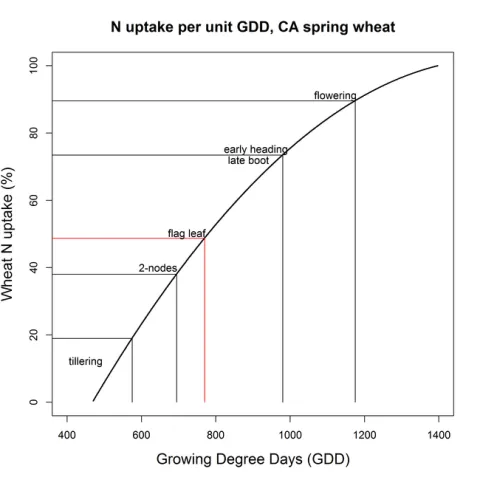
Figure 3. Wheat N uptake as a percentage of seasonal total expressed as a function of GDD.
UC Small Grains Blog: Article

Adapting in-season N rates for wheat during a dry year

February 20, 2018
By Mark E Lundy
After almost 6 weeks without a substantial rainstorm, there is finally some precipitation starting to appear in the 10-day forecast for the Sacramento Valley. The lack of rain thus far has made it difficult to proceed with N fertilizer topdress applications in non-irrigated wheat fields this season.
View Article
Primary Image
put yourself in my shoes
Food Blog: Article

Why I'm the cupcake police

February 20, 2018
By Katherine E Soule, Shannon Klisch
Put yourself for a minute in some kid-sized shoes. Let's call you Maggie. You are in third grade. Your dad works full time and he picked you up from the afterschool program at 6:00 p.m. You and dad got home about 7:00 p.m.
View Article
Primary Image
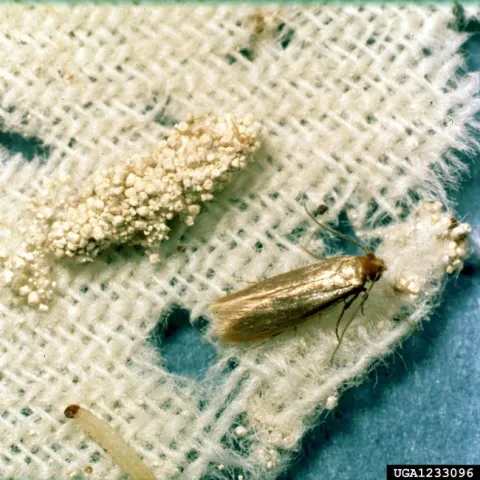
Webbing clothes moth. (Photo credit: Clemson University, USDA Cooperative Extension Slide Series, Bugwood. org)
Pests in the Urban Landscape: Article

Controlling Clothes Moths

February 20, 2018
By Anne E Schellman
Spotting a small moth fluttering around your closet then discovering damaged fabric or other items can be shocking. Upon further inspection, you may even see the silken webs spun by the larvae, or the droppings they leave behind.
View Article
The Biochar Blog: Article

You knew this had to happen sooner or later

February 20, 2018
By Milton E Mcgiffen
This is interesting: https://carbonlogicus.com/wp-content/uploads/2017/08/CL_datasheet.pdf A company called Carbon Logic "utilizes a unique process to create crop specic formulations to maximize growth and yield of cannabis crops".
View Article
Primary Image
file0001937821470
A Garden Runs Through It - UCCE Master Gardeners of Colusa County: Article

What to Look for in a Healthy Plant

February 20, 2018
By Gerry Hernandez
It's that time of the year where we head to the garden center to purchase plants. Here are a few tips to purchasing a healthy plant? Quality of garden center - Take an overview of the plant department. Look to see if the plants look healthy.
View Article