A Natural Solution for California's Herds: African Catfish Peptides

California's cattle producers and agricultural communities are all too familiar with the rising challenge of antibiotic resistance, making common bacterial infections harder to treat in livestock. But imagine a future where we could tackle these infections with a natural, powerful alternative. Our research points to just that: antimicrobial peptides (AMPs) found in African catfish.

We're really excited about these peptides because African catfish thrive in pathogen-rich freshwater, naturally producing these robust immune compounds in their skin mucus as a defense. This natural origin makes them highly appealing alternatives to synthetic drugs.

Predicted Safety and Potent Action

One of the most compelling aspects of these AMPs is their predicted safety for mammals. Our initial computer analyses suggest that various catfish AMPs are generally recognized as safe (GRAS). We predict they'll be absorbed in the human intestine without causing liver, brain, or heart toxicity. Furthermore, lab tests on a promising peptide, NACAP-II, confirmed it was non-hemolytic, meaning it didn't damage rabbit red blood cells—a strong indicator of its potential safety for mammalian cells.

Beyond safety, these peptides demonstrate effectiveness against problematic bacteria. One study revealed NACAP-II's strong activity against Extended-Spectrum Beta-Lactamase (ESBL)-producing Escherichia coli—a critical concern for both animal and human health due to its resistance to many common antibiotics. Another peptide, ACAP-IV, also showed antibacterial activity against E. coli and Staphylococcus aureus. We believe these AMPs work by directly disrupting bacterial cell membranes, a mechanism that makes it harder for bacteria to develop resistance compared to how they resist traditional antibiotics.
Primary Image
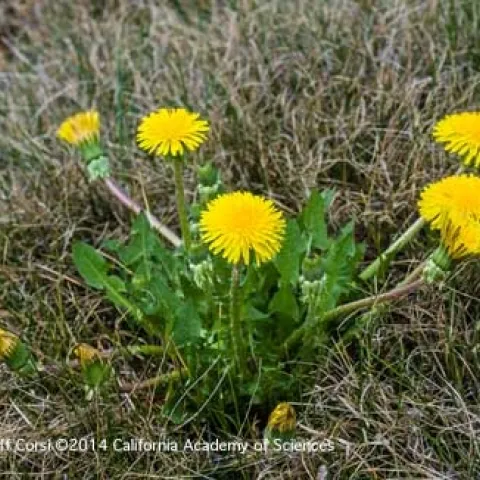
soil weathered from rock
Topics in Subtropics: Article

What's the Difference - Dirt, Soil, Earth?

August 25, 2017
By Ben A Faber
Soil and agriculture courses are being taught again at Ventura College. This was a commitment of outgoing President, Greg Gillespie. There are only a handful California community (junior) colleges that still teach soils.
View Article
Bug Squad: Article

Bohart Museum Associate Jeff Smith: A Monarch Kind of Day

August 24, 2017
By Kathy Keatley Garvey
Entomologist Jeff Smith, who curates the butterfly and moth collection at the Bohart Museum of Entomology, University of California, Davis, had a "Monarch Kind of Day" Wednesday, Aug. 23 at a surprise party heralding his 70th birthday and his 30 years of volunteer service.
View Article
Primary Image
nitrogen avocado
Topics in Subtropics: Article

Now is the Time to Sample Citrus for Nutrients - and Avocados Too

August 23, 2017
By Ben A Faber
University of California (UC) researchers and private industry consultants have invested much effort in correlating optimal citrus tree growth, fruit quality and yield to concentrations of necessary plant nutrients in citrus (especially orange) leaf tissue.
View Article
UC Weed Science (weed control, management, ecology, and minutia): Article

2nd Annual Rice Weed Course 2017

August 23, 2017
By Whitney B Brim-Deforest
The 2nd Annual Rice Weed Course will take place: Friday, September 15, 2017 from 8:30AM to 4:25PM (Registration begins at 7:30AM) at the Hamilton Road Field (on West Hamilton Rd. between Hwy. 99 & Riceton Hwy.) and Rice Experiment Station, Biggs, CA Participants head to the field (2016).
View Article
Primary Image
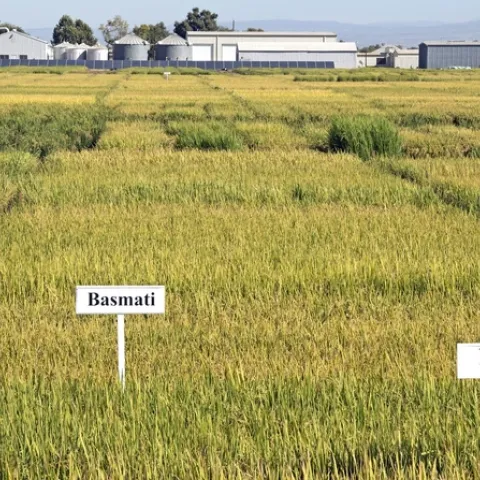
Participants head to the field to view plots (2016). Photo by Dana Dickey
UC Rice Blog: Article

2nd Annual Rice Weed Course 2017

August 23, 2017
By Whitney B Brim-Deforest
The 2nd Annual Rice Weed Course will take place: Friday, September 15, 2017 from 8:30AM to 4:25PM (Registration begins at 7:30AM) at the Hamilton Road Field (on West Hamilton Rd. between Hwy. 99 & Riceton Hwy.
View Article
Bug Squad: Article

Bohart Museum Open House: 'Bark Beetle Forest Central'

August 22, 2017
By Kathy Keatley Garvey
If you attend the Bohart Museum of Entomology open house from 1 to 4 p.m. on Sunday, Aug. 27, you'll learn all about bark beetles but you probably won't recognize the facility. It will be "Bark Beetle Forest Central," says Tabatha Yang, education and outreach coordinator.
View Article
IGIS: Article

ESRI Storymaps – A tool for extending our work to California

August 21, 2017
By Shane T Feirer
With the ever-changing world of technology and knowledge we have a need to get this information out to the public in a timely manner. One of the new tools that we can use are Storymaps from ESRI. These web based application combine text and maps into an intuitive and interactive experience.
View Article
Bug Squad: Article

How Do Insects, Spiders React to a Partial Solar Eclipse?

August 21, 2017
By Kathy Keatley Garvey
The sky darkens. The temperature drops several degrees. A breeze rustles the leaves of the African blue basil. Dogs bark. And off in the distance, a hawk shrills. A partial solar eclipse is about to happen in Vacaville, Calif.
View Article