A Natural Solution for California's Herds: African Catfish Peptides

California's cattle producers and agricultural communities are all too familiar with the rising challenge of antibiotic resistance, making common bacterial infections harder to treat in livestock. But imagine a future where we could tackle these infections with a natural, powerful alternative. Our research points to just that: antimicrobial peptides (AMPs) found in African catfish.

We're really excited about these peptides because African catfish thrive in pathogen-rich freshwater, naturally producing these robust immune compounds in their skin mucus as a defense. This natural origin makes them highly appealing alternatives to synthetic drugs.

Predicted Safety and Potent Action

One of the most compelling aspects of these AMPs is their predicted safety for mammals. Our initial computer analyses suggest that various catfish AMPs are generally recognized as safe (GRAS). We predict they'll be absorbed in the human intestine without causing liver, brain, or heart toxicity. Furthermore, lab tests on a promising peptide, NACAP-II, confirmed it was non-hemolytic, meaning it didn't damage rabbit red blood cells—a strong indicator of its potential safety for mammalian cells.

Beyond safety, these peptides demonstrate effectiveness against problematic bacteria. One study revealed NACAP-II's strong activity against Extended-Spectrum Beta-Lactamase (ESBL)-producing Escherichia coli—a critical concern for both animal and human health due to its resistance to many common antibiotics. Another peptide, ACAP-IV, also showed antibacterial activity against E. coli and Staphylococcus aureus. We believe these AMPs work by directly disrupting bacterial cell membranes, a mechanism that makes it harder for bacteria to develop resistance compared to how they resist traditional antibiotics.
Primary Image
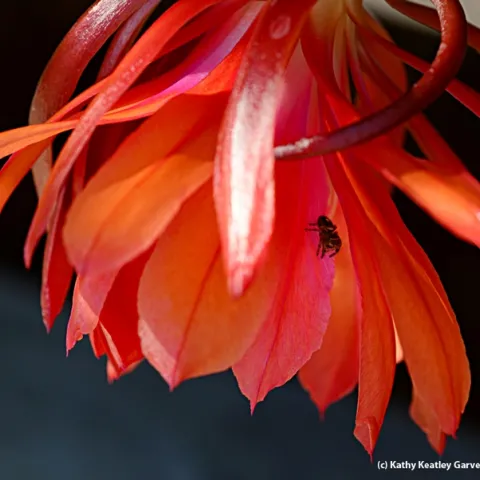
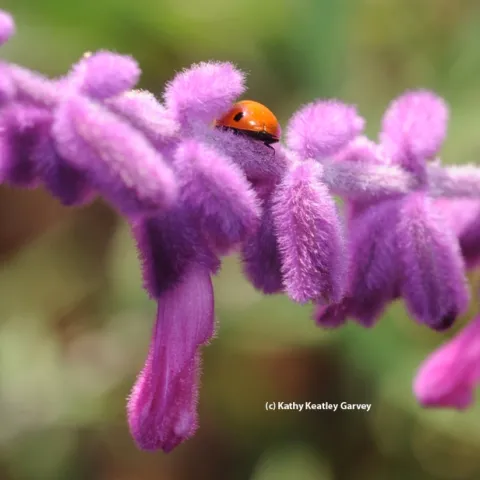
Female mason bee, genus Osmia (Family Megachilidae), as identified by native pollinator specialist/emeritus professor Robbin Thorp of UC Davis. (Photo by Kathy Keatley Garvey)
Bug Squad: Article

About Those Non-Social Bees...

February 4, 2013
By Kathy Keatley Garvey
About those non-social bees... A good place to learn about them is at the UC Davis Department of Entomology seminar on Wednesday, Feb. 6. James Jim Cane, a research entomologist with the U.S.
View Article
Primary Image
Illustrator Laine Bauer (left) and author Fran Keller.
Bug Squad: Article

Our State Insect: Now in a Children's Book

February 1, 2013
By Kathy Keatley Garvey
Not many people know that the state insect of California is the California dogface butterfly (Zerene eurydice) or the role that schoolchildren played to attain that honor.
View Article
UC Weed Science (weed control, management, ecology, and minutia): Article

Calif. Garlic and Onion Symposium 2013

February 1, 2013
By Gale Perez
EVENT ANNOUNCEMENT University of California Allium Workgroup & California Garlic and Onion Research Advisory Board bring you the latest research results for Growers and Allied Industry California Garlic and Onion Symposium 2013 Monday, February 11, 2013 UC Cooperative Extension, Tulare County Agricu...
View Article
Primary Image
The arm of Danielle Wishon and her bedbugs, feeding.
Bug Squad: Article

Bed Bugs at the Bohart

January 31, 2013
By Kathy Keatley Garvey
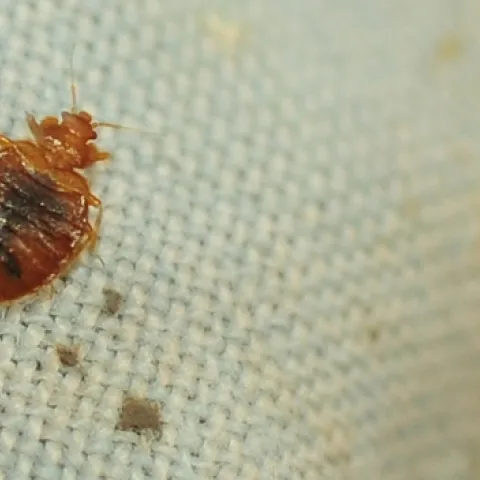
Bed Bugs at the Bohart? Indeed. Those attending the Bohart Museum of Entomology's open house on Saturday, Feb. 2, will see them--and see them feeding. The Bohart Museum of Entomology is one of six museums or educational centers on the UC Davis campus holding an open house from 1 to 4 p.m. Saturday.
View Article
Primary Image
Planting onions in field comparison study of overhead and drip irrigation at the University of California’s West Side Research and Extension Center in Five Points, Calif.
Conservation Agriculture: Article

See conservation agriculture research in 'real time'

January 31, 2013
By Jeffrey P Mitchell
Farmers and others interested in new irrigation technologies and conservation agriculture can follow along on their computers in real time as research unfolds at the UC West Side Research and Extension Center.
View Article
Cooperative Extension Ventura County: Article

February 2013 Clover Lines

January 31, 2013
In this issue... Online Record Book State Contest, Super Field Day Details, New Leader Training Dates, Citizen Science Opportunities, Highlights from Council, and much more...
View Article
Primary Image
Queen bumble bee nectaring a hebe at the Berkeley marina. (Photo by Kathy Keatley Garvey)
Bug Squad: Article

A She-Bee on the Hebe

January 30, 2013
By Kathy Keatley Garvey
The yellow-faced bumble bee, Bombus vosnesenskii, is back. We spotted some overwintering queen bumble bees gathering nectar on a hebe bush last Sunday at the Berkeley marina.
View Article
UC Weed Science (weed control, management, ecology, and minutia): Article

WANTED :: Area Agronomy Advisor

January 30, 2013
By Gale Perez
Area Agronomy Advisor Serving Colusa, Sutter and Yuba Counties Across California, the University of Californias Division of Agriculture and Natural Resources (UC ANR) is an engine for problem solving.
View Article