A Natural Solution for California's Herds: African Catfish Peptides

California's cattle producers and agricultural communities are all too familiar with the rising challenge of antibiotic resistance, making common bacterial infections harder to treat in livestock. But imagine a future where we could tackle these infections with a natural, powerful alternative. Our research points to just that: antimicrobial peptides (AMPs) found in African catfish.

We're really excited about these peptides because African catfish thrive in pathogen-rich freshwater, naturally producing these robust immune compounds in their skin mucus as a defense. This natural origin makes them highly appealing alternatives to synthetic drugs.

Predicted Safety and Potent Action

One of the most compelling aspects of these AMPs is their predicted safety for mammals. Our initial computer analyses suggest that various catfish AMPs are generally recognized as safe (GRAS). We predict they'll be absorbed in the human intestine without causing liver, brain, or heart toxicity. Furthermore, lab tests on a promising peptide, NACAP-II, confirmed it was non-hemolytic, meaning it didn't damage rabbit red blood cells—a strong indicator of its potential safety for mammalian cells.

Beyond safety, these peptides demonstrate effectiveness against problematic bacteria. One study revealed NACAP-II's strong activity against Extended-Spectrum Beta-Lactamase (ESBL)-producing Escherichia coli—a critical concern for both animal and human health due to its resistance to many common antibiotics. Another peptide, ACAP-IV, also showed antibacterial activity against E. coli and Staphylococcus aureus. We believe these AMPs work by directly disrupting bacterial cell membranes, a mechanism that makes it harder for bacteria to develop resistance compared to how they resist traditional antibiotics.

Primary Image
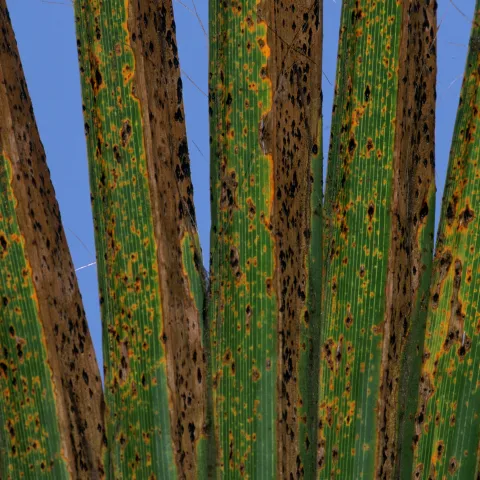
closeup of Chinese elm bark with colors like cream, grey and red
Under the Solano Sun: Article

Chinese Elm-Color and Texture Galore!

March 10, 2026
By Jennifer M Baumbach
Blog by Michelle KrespiI so rarely write about trees, but this particular tree, Ulmus parvifolia, commonly known as Chinese Elm or Lacebark Elm, was up close and personal to me as I was having brunch at a Fairfield restaurant. I pay attention to the barks of trees after taking Plant ID at Solano…
View Article
Stanislaus County: Article

Vegetable Views Spring 2026

March 10, 2026
By Zheng Wang
In this issue:• Two new projects launching in the 2026 production season• Research on nitrogen management using nitrogen-fixing biostimulants in tomatoes and Asian vegetables• A new agrivoltaics project exploring how solar energy systems can be integrated with crop production• Information about the upcoming…
View Article
Primary Image
 Learn to start tomato plants from seed at the Spring Garden Talk. Kristina Thompson
The Real Dirt: Article

Master Gardeners Spring 2026 Workshop Series Part II

March 9, 2026
Butte County Master Gardeners are midway through our Spring 2026 series of workshops. From now (in mid-March) to early June, there are eleven topics to explore. There is something here for beginning and experienced gardeners alike, and for every size of home garden.
View Article
Primary Image
Dark soil held in someone's hand
UC Master Gardeners of San Mateo & San Francisco Counties: Article

Spring Soil Prep

March 9, 2026
 Compost and mulch are great additions to the garden in early spring.  A thin layer of compost and cover of mulch provides many benefits to the soil and in turn the plants. Supporting and growing the microbial life in your soil cycles nutrients to the plants and breaks up compaction, allowing water…
View Article