Ongoing research

Primary Image
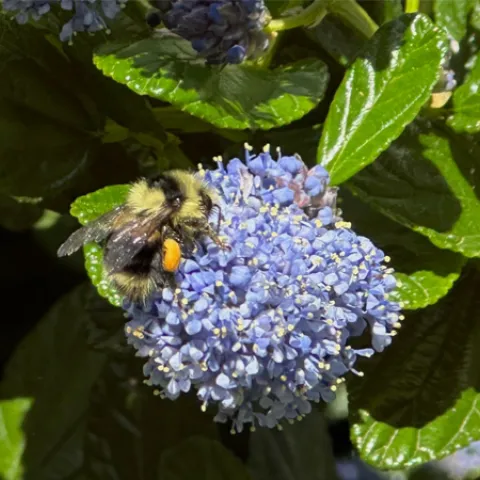
This is one of the bumble bees that microbial ecologist Danielle Rutkowski studies: a yellow-faced bumble bee, Bombus vosnesenskii. (Photo by Kathy Keatley Garvey)
Bug Squad: Article

Congrats to Danielle Rutkowski: Early Career Entomology Award
December 19, 2024
By Kathy Keatley Garvey
We're delighted that microbial ecologist Danielle Rutkowski, a UC Davis doctoral alumna and now a National Science Foundation postdoctoral fellow at Iowa State University, has just received a Royal Entomological Society Early Career Entomology Award, Highly Commended, for her research piece, Bee-Ass...
View Article
UCCE Siskiyou: Article

January 2025

December 19, 2024
Upcoming Events 4-H Record Book/Forms Mandatory Treasurer Mid-Year Review January 14th! State Field Day & Fashion Review Date Change Apply to be a State Ambassador by January 21st Join the Pilot Farm Robotics Challenge Academy Annual 4-H Shooting Sports Instructor Meeting The Volunteer Cafe Webinar...
View Article
Primary Image
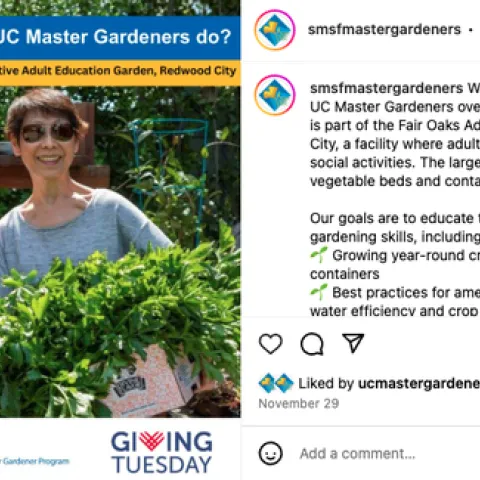
Two women pose with plants. "What do UC Master Gardeners do? Fair Oaks Active Adult Education Garden, Redwood City."
ANR Employee News: Article

Over $100,000 donated to UC ANR on GivingTuesday

December 19, 2024
By Pamela S Kan-Rice
As of 11:59 p.m. at the conclusion of GivingTuesday 2024 on Dec. 3, generous donors gave $106,334 for UC Cooperative Extension and the statewide programs, institutes and research centers that make up UC ANR.
View Article
Primary Image
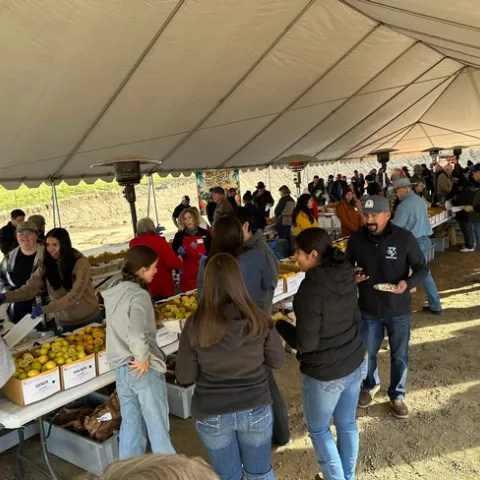
Growers and students taste citrus varieties displayed in boxes on long tables.
ANR Employee News: Article

Growers, community savor citrus at Lindcove REC

December 19, 2024
By Pamela S Kan-Rice
The Lindcove Research and Extension Center proudly hosted its annual Citrus Fruit Display and Tasting event on Dec. 13 and 14. This vibrant gathering showcased 200 varieties of classical varieties and the latest citrus varieties. We had an amazing turnout on Dec.
View Article

January 2025: Natives in the Edible Garden
Primary Image
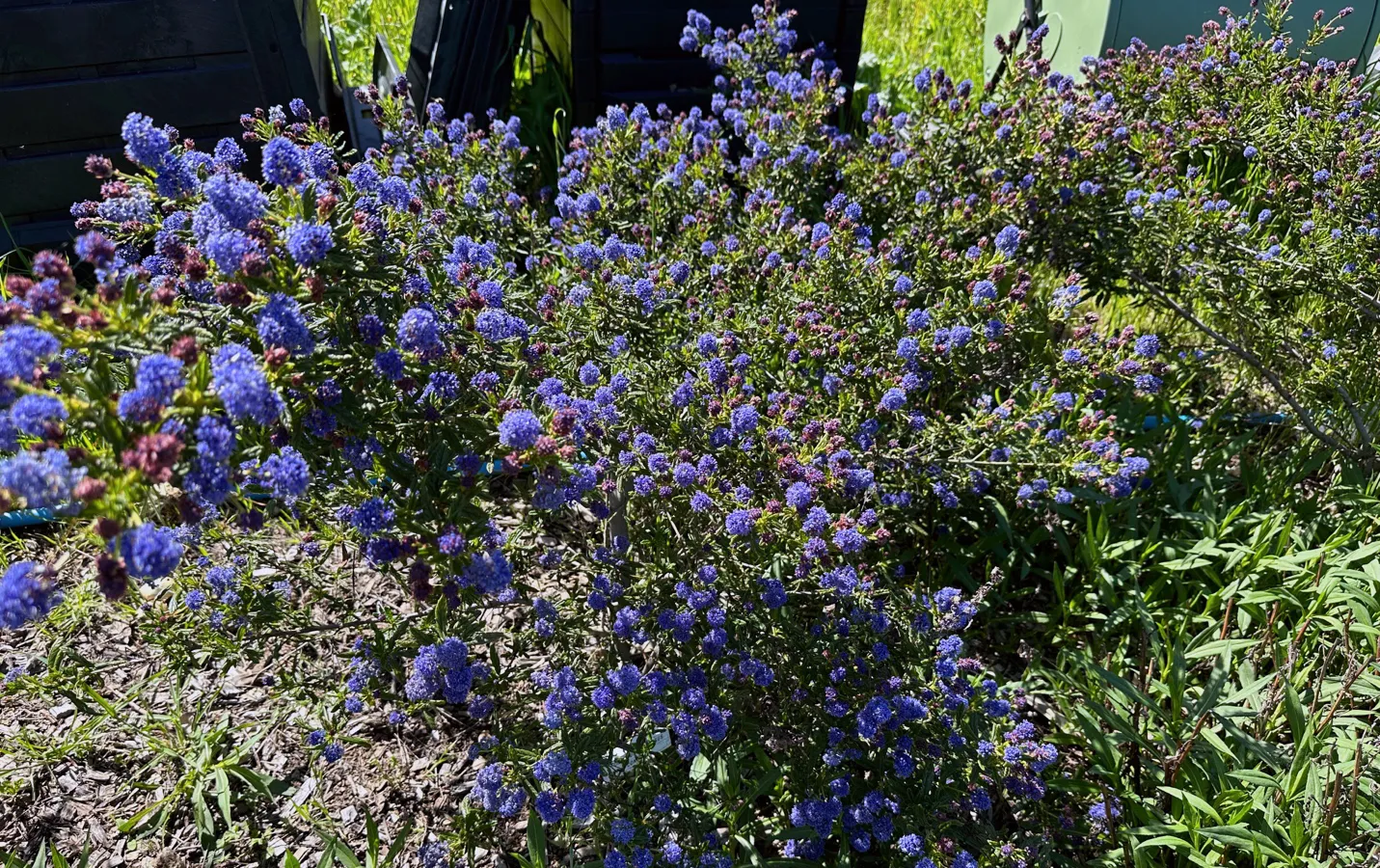
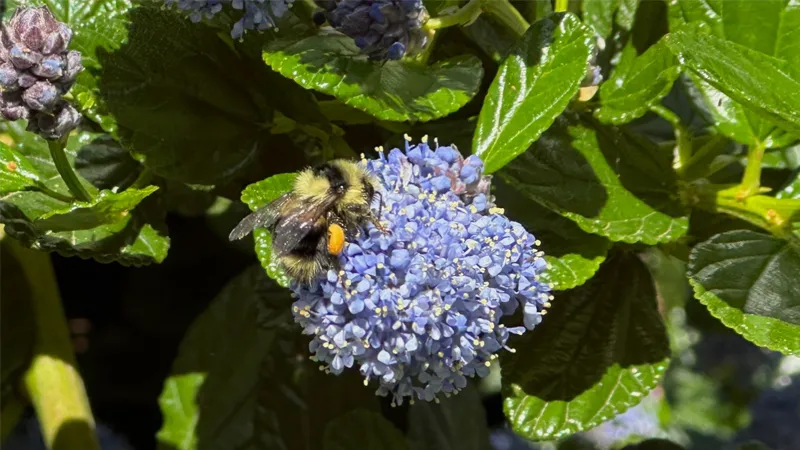
Ceanothus blossoms attract native California bumble bees.
Body

natives 1
Natives are welcome in the Edible Demo Garden. As a joint project with the Native Plant Guild in October 2021, garden volunteers planted a variety of sun-loving, drought tolerant California natives in a corner of the garden area. Some have flourished and some have not, but that’s what happens in a demonstration garden. It’s all about learning what plants need and the conditions that suit them best. The primary goals of the project were to provide year-round beauty and attract pollinators. It turns out that there are even more reasons why native plants benefit an edible garden.


Native Plants Attract Pollinators and Invite Beneficial Insects
natives 3
The blooming periods of native plants coincide with the times when pollinators are most active, and these can overlap with the flowering times of vegetable plants. Native plants that flower in early spring can bring in pollinators before vegetable blossoms emerge. This is particularly important for native bees who are even more efficient pollinators than honeybees. Fall blooming native plants help to create a steady supply of food and resources to keep the pollinators around and encourage them to overwinter in the garden.

Native plants also invite beneficial insects that are natural enemies of vegetable garden pests. Beneficials such as hoverflies, lady beetles, and lacewings go where they find the herbivorous insects they like to eat. It doesn’t matter to them whether their prey is on an edible plant or a native. The natives keep the beneficial insects nearby, so they are there to control pests when the vegetable crops are planted.

natives 2


Native Plants Improve Soil Health

Native plants support soil biodiversity by providing habitat for beneficial microorganisms like fungi and bacteria. Some can act as nitrogen-fixers to improve soil fertility. Natives with deep root systems can improve soil structure by creating channels through which water and nutrients can penetrate. When the roots and leaves of the native plants die back, they add organic matter to the soil reducing the need for soil amendments.


Native Plants are Low Maintenance

Natives don’t need fertilizing and require little watering once they are established. While some need deadheading and cutting back, it’s best to minimize the kind of tidying up that’s done in the edible garden. The native plants can offer a refuge for beneficial populations, providing them with undisturbed nesting and overwintering sites. Ideally the native plants attract enough beneficial insects and other natural enemies to maintain a healthy balance so that pests are kept in check.
natives 4
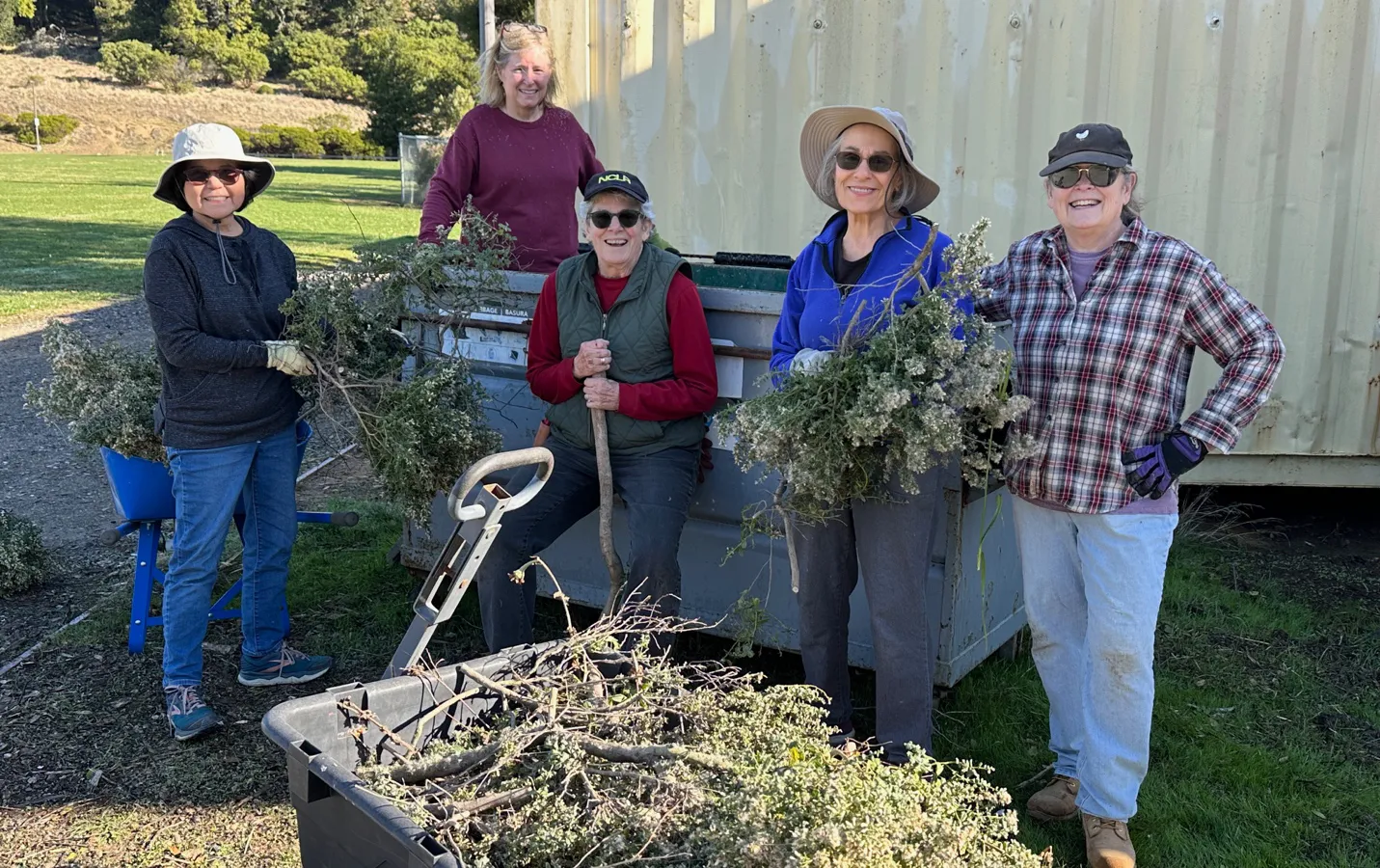
Occasionally a native plant can require more severe pruning. Recently a Coyote Brush, Baccharis pilularis, adjacent to the Edible Demo Garden, grew too large and began to produce an abundance of the fluffy white seeds typical of the female flowering plant. Although some classify Coyote Brush as a weed, it is a keystone plant which has significant value in a habitat garden. Armed with saws and pruning tools, the volunteers cut the overly ambitious native down to a manageable size.


Native Plants Add Beauty and Interest

Native plants bring unique beauty to the garden. The natives planted in the Edible Demo Garden were initially chosen to provide blooms throughout the year. Some flower early and bring color into the winter garden and others extend their blooming period into late fall. They add contrast to the flowering of the vegetables and fruit trees. Ceanothus ‘Concha’ now masks the compost bins with its copious cobalt blue flowers in early spring.  Coast Aster, Aster chilensis, provides bright, daisy-like blossoms throughout summer and fall. Bees and hummingbirds enjoy the showy red tubular blooms of California fuchsia, Epilobium, into late fall. The goal to bring native plants into the Edible Demo Garden to provide year-round beauty has been achieved.


For more information on growing native plants, click here.
 

UC Marin Master Gardeners
Primary Image
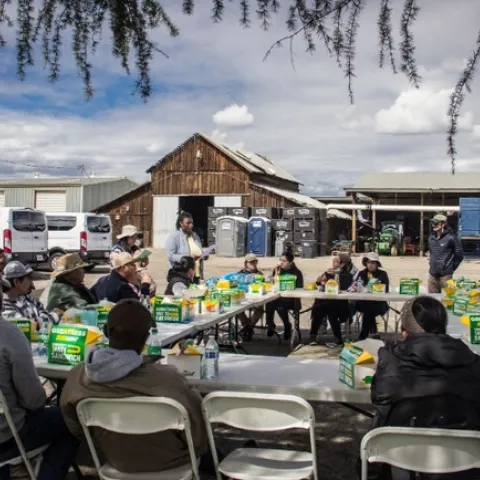
People sit outside at a circle of tables
Supporting Small Farms: Article

Fresno County Southeast Asian Farmers

December 19, 2024
By Lilian Thaoxaochay
Fresno County is consistently one of the top producing agricultural counties in California and the United States. In 2023, 62,900 farm operations on 23.8m acres produced a total gross production value of $8.6b. This was an increase of $494m or 6.
View Article
Article

Set your "Out of Office" message

December 19, 2024
By Pamela S Kan-Rice
As UC ANR is under curtailment from Dec. 24, 2024, through Jan. 1, 2025, please remember to set your "Out of Office" notification as a courtesy to people who try to reach you. For example: Thank you for your message.
View Article