Ongoing research

Primary Image
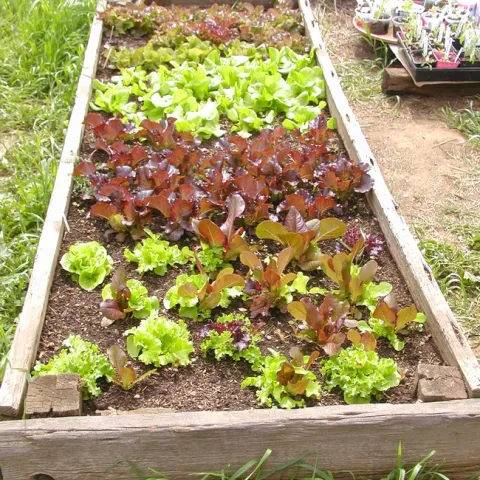
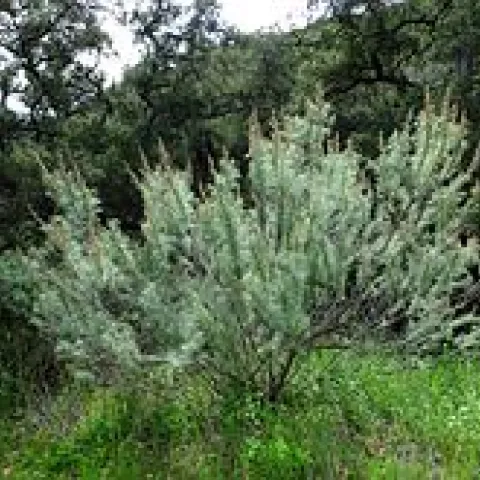
Herb Study Artemisia 01
Garden Notes: Article

Summer Herb Study—Artemisia

June 10, 2024
The plant family Asteraceae contains over 32,000 distinct species of flowering plants that sport the traits known best as herbal: edible (or toxic) parts, aromatic leaves and flowers, and historical culinary, medicinal, and ornamental use with economic value derived from its uses.
View Article
Primary Image
Mike Dunn Roads End Naturalist
Garden Notes: Article

Horticultural Terms

June 10, 2024
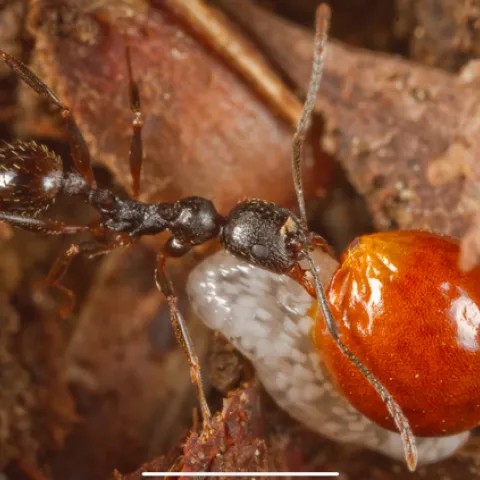
Every plant has a sole purpose in its life: it must propagate or become extinct. This interesting horticultural term highlights one of the more extraordinary means of seed dispersal. Elaiosome, e-lay-o-zome, n. (Greek: elaio = oil + soma = body) meaning oil body'.
View Article
Primary Image
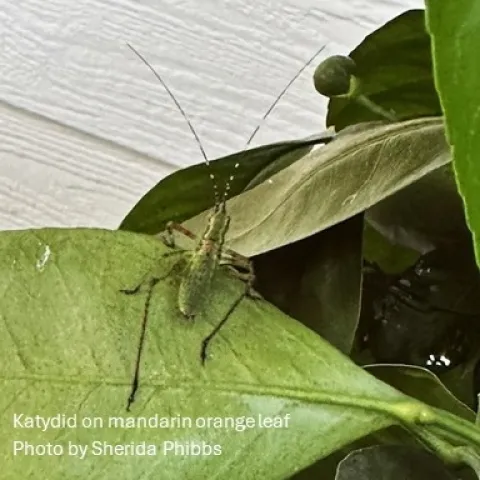
Pests Pic - Katydid
Garden Notes: Article

Tackling Summer Pests in Your Garden and Landscape

June 10, 2024
As the warm, sun-drenched days of summer arrive, our gardens and landscapes burst into full bloom. However, along with the vibrant growth and beauty come unwelcome visitors that can threaten the health and productivity of our plants.
View Article
Primary Image
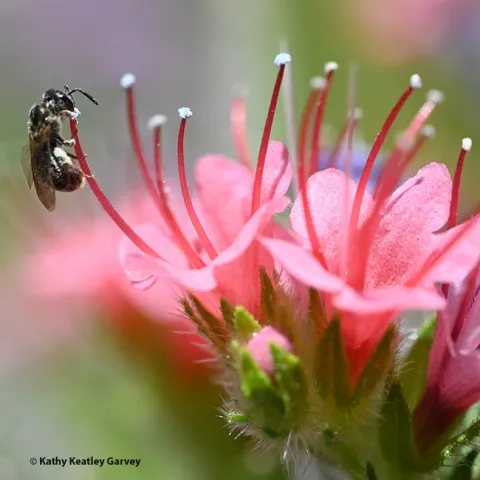
A sweat bee, possibly Halictus tripartitus, foraging on pollen on a tower of jewels, Echium wildpretii, in a Vacaville garden. (Photo by Kathy Keatley Garvey)
Bug Squad: Article

Finding Pollen on Echium During National Pollinator Month

June 10, 2024
By Kathy Keatley Garvey
It's National Pollinator Month, and what better time to find a tiny speck of a bee on a seven-foot tower of jewels, Echium wildpretii? This is a sweat bee of the family Halictidae, the second largest family of bees, comprised of some 4500 species.
View Article
Primary Image
Figure 1 Feature 3 How Much Water
Garden Notes: Article

How Much Water Do My Plants Need This Summer?

June 10, 2024
The classic answer is, It depends. Some of the variables to consider are soil texture and structure, plant choice, season, weather, amount of sunlight and wind, and how well established the plant is. With so many variables, the answer to this question is not simple.
View Article