Ongoing research

Primary Image
Blue oaks dot the foothills of the coast range. Laura Lukes
The Real Dirt: Article

Finding an Ecological Niche: The Blue Oak

December 29, 2023
[Note: Blue oak (Quercus douglasii), gray pine (Pinus sabiniana), and buckeye (Aesculus californica) are three species that thrive in rugged local foothill woodland and chaparral habitat.
View Article
Primary Image
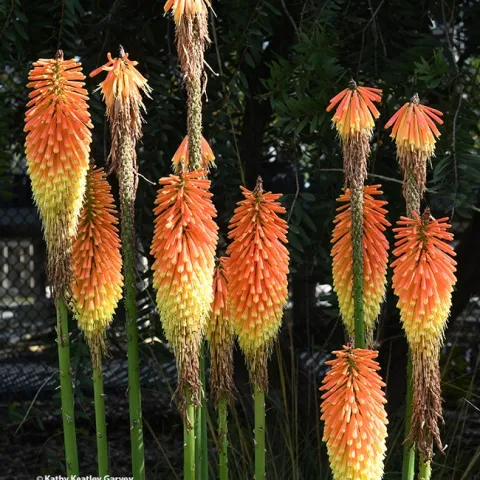
The Kniphofia "Christmas Cheer" poker plant, seen here in the Ruth Risdon Storer Garden and nearby area, grows in clumps. (Photo by Kathy Keatley Garvey)
Bug Squad: Article

Spreading Some Holiday Cheer

December 28, 2023
By Kathy Keatley Garvey
If you've lately visited the Ruth Risdon Storer Garden, part of the 100-acre UC Davis Arboretum and Public Garden, you've seen them. Honey bees nectaring on the Kniphofia "Christmas Cheer" poker plant.
View Article
Primary Image
Images of citrus with dates of classes listed.
The Stanislaus Sprout: Article

January 2024 Library Classes - Growing Citrus Trees

December 28, 2023
By Anne E Schellman
Our last newsletter may have prompted you to have more questions about citrus. The good news is, the topic for January Classes at Stanislaus County Libraries is (you guessed it) Growing Citrus Trees! We hope to see you at one of these free classes.
View Article
Shasta County: Article

2024 January Tips 'n Topics

December 27, 2023
Happy New Year ! In this month's issue: Save the Dates Presentation Day Scholarship Application Due Dates Member & Parent Expectations Holiday Wreaths for Heroes Requirements to sell an Animal at Fair 2024 A Lone Tree Christmas Westside & Horseless Horse Project in Igo Christmas Parade mypi - Shasta...
View Article
Primary Image
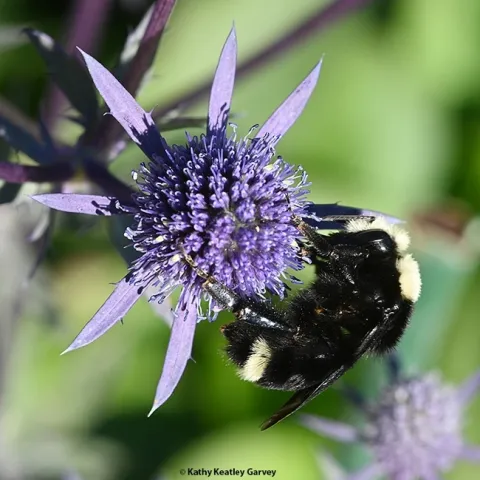
A yellow-faced bumble bee, Bombus vosnesenskii, forages on Eryngium amethystinum, a genus that belongs to the carrot family, Apiaceae. (Photo by Kathy Keatley Garvey)
Bug Squad: Article

UC Davis Arboretum Is the Magical Place to Find the First-of-the-Year Bumble Bee

December 26, 2023
By Kathy Keatley Garvey
If history repeats itself, the person who finds and photographs the first bumble bee of the year in the two-county area of Yolo and Solano will do so in the 100-acre UC Davis Arboretum and Public Garden--or will find it foraging on a plant purchased from one of the Arboretum's popular plant sales.
View Article

January 2024: Planting Time for Artichokes
Primary Image
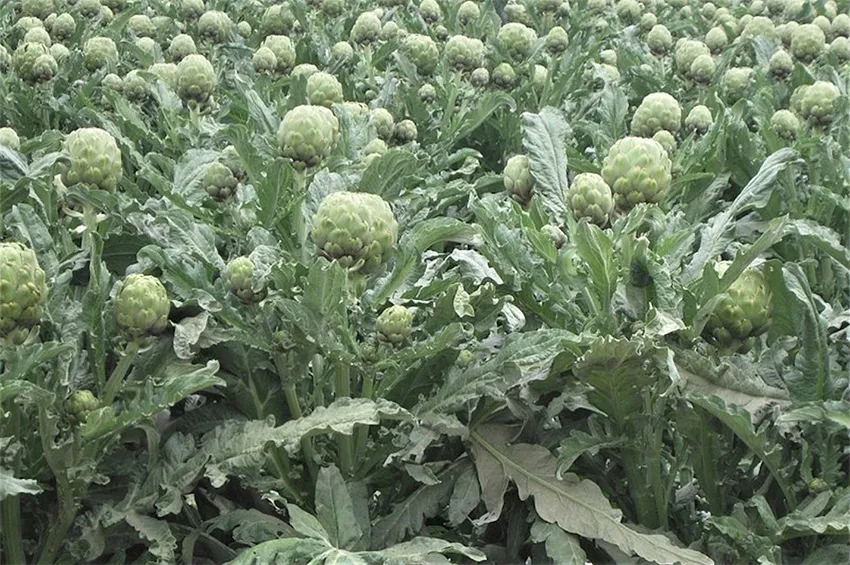
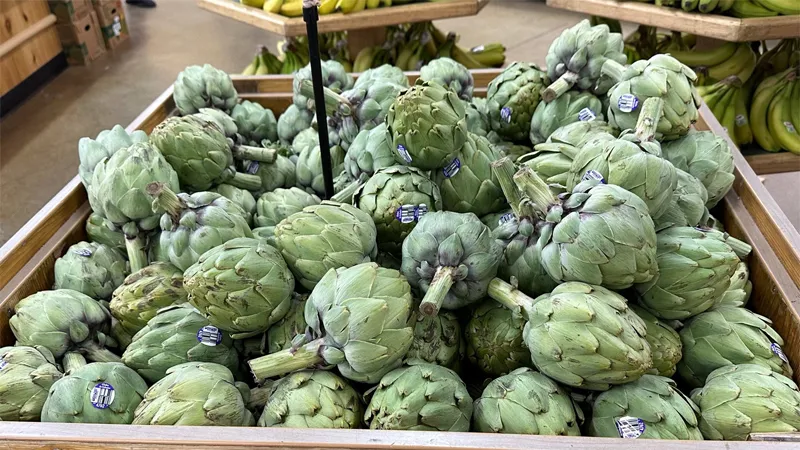
Almost all artichokes sold commercially in the US are grown in California Credit: rawpixel
Body

Artichoke 1
In December EDG volunteers planted winter garden edibles including carrots, fennel, cabbage, kale, and – artichokes. While artichokes may not be on every gardener’s cool season vegetable list, they are fun to grow, and December is the right time to plant them for an early spring crop. Since almost all artichokes sold commercially are grown in California, it was designated the official state vegetable in 2013.


What is an artichoke?

Artichokes are large plants in the sunflower family (Asteraceae). The edible parts are the large flower buds that form on the tops of tall stalks. The buds are typically green, but some varieties are violet-tinged. Buds that are not harvested for cooking and eating will open into attractive purple thistlelike flowers.

Although some may consider artichokes exotic and too much trouble to eat, they have been enjoyed since Roman times. Italian immigrants brought artichokes to Monterrey County where they grew well in the Mediterranean like climate. When artichokes first became popular in the US there was a problem meeting the demand and there are stories of a Mafia attempt to corner the market. Fortunately, we can now have all the artichokes we want to eat when they are in season.


What artichoke varieties grow well in Marin?
Artichoke 2
Artichoke plants need exposure to temperatures below 50 degrees to form buds, but they are easily damaged by frost and freezing temperatures. The plants also suffer in hot dry summers. Artichoke varieties differ in their tolerance for cold and heat but they like the coastal Bay Area climate. The standard variety is ‘Green Globe’, the variety most often found in the supermarket. The two varieties planted in the Edible Demo Garden are ‘Imperial Star’ and ‘Colorado Star’. These varieties mature faster and require fewer chill hours than ‘Green Globe’.


Are Artichokes Annuals or Perennials?

In California artichokes are commonly grown as short-lived perennials producing both spring and fall crops. After the spring harvest they are cut back to the ground and kept dry to encourage summer dormancy after which they are regrown in the fall for another crop. However, early maturing varieties like ‘Imperial Star’ and ‘Colorado Star’ also work well as annuals when planted in late fall. In the Edible Demo Garden, the two new varieties replaced older plants that had aged past their prime and suffered some gopher damage.


How to Grow and Harvest Artichokes
Artichoke 3
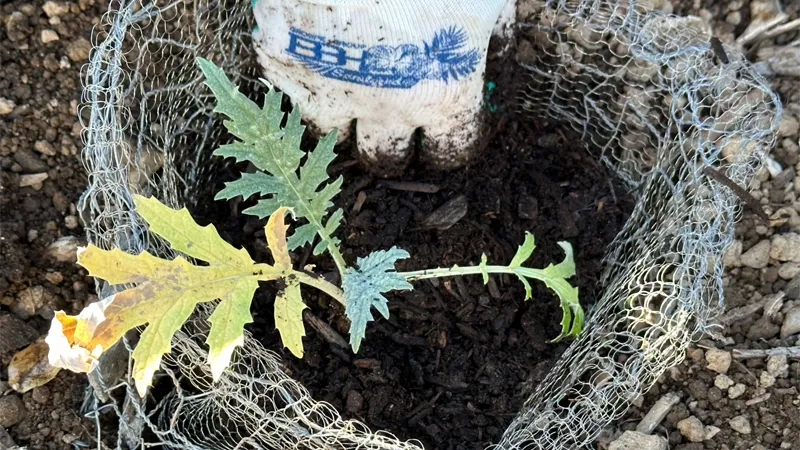
The artichokes planted in the Edible Demo Garden were grown from seed in the Indian Valley Organic Farm and Garden greenhouse. Seedlings are ready to plant in 8 to 12 weeks. The plants require a sunny location with fertile, well-drained soil. They need consistent watering and monthly doses of high nitrogen fertilizer. They also require some space since the plants are typically 3-4 feet wide and tall.

The buds on the artichoke plant are ready to harvest just as the lowest bracts begin to open. Once a bud opens more fully, the tenderness and flavor diminish.  Harvesting the top bud stimulates the lower buds to develop. Buds should be harvested by cutting the stem about 2 inches below the bud.

For more information on growing artichokes, click here.

UC Marin Master Gardeners
Stanislaus County: Article

Special Edition (English/Spanish) - December 2023

December 26, 2023
In this issue: Horn removal options.2 Opciones de descorne3 Calves scour5 Diarrea en terneros...7 Udder Prep Towels ...9 Toallas de pao para preparacin...9 Calf Pneumonia10 Neumona en terneros ....
View Article