
UC ANR is committed to providing an accessible and inclusive web experience for all users. If you encounter an accessibility barrier or need content in an alternative or remediated accessible format, please contact anraccessibility@ucanr.edu.
I don't know about you, but all the rain and cold weather we're experiencing in Northern California have left me especially eager for this year's gardening season to begin.
I have noticed over the past few weeks, the leaves of daffodils (Narcissus spp.) poking up through the soil. A sure sign that spring is upon us. Just this morning, the flowers of a few daffodils are peeking out their yellow brilliance, but not fully blooming quite yet.
Successful partnerships between the Nutrition Policy Institute, UC Davis, the California WIC Association, the National WIC Association and Public Health Foundation Enterprises-WIC were featured in a recent UC Agriculture and Natural Resources article.
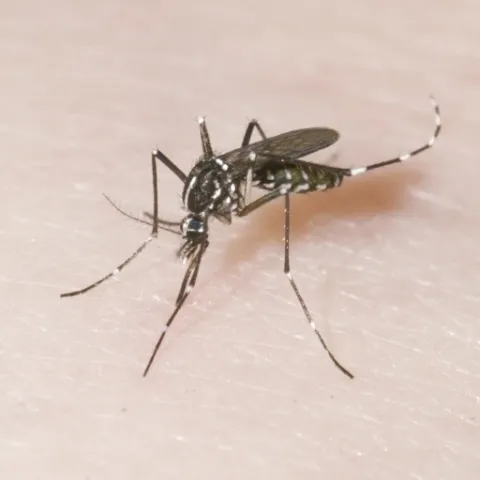
UC Davis faculty and friends are remembering internationally recognized medical entomologist Mir Mulla, a UC Riverside distinguished emeritus professor of entomology whose university career spanned 50 years of teaching, research and public service. He died Jan. 29 at his home in Riverside at age 97.
Soils vary across a landscape according to soil-forming factors present in a particular location. To help those involved in land management and planning, the U.S. Department of Agriculture launched the National Soil Survey in 1899 to systematically map changes in soils across the country.
In the middle of January, the California Weed Science Society celebrated its 75th anniversary with a meeting in Monterey, California. We had a good number of attendees with nearly 550 people registering and attending our conference. There were lots of great presentations made during the sessions.
If you've been frustrated when growing onions because the plants produce flower stalks instead of bulbs, it is time to try again. In our Contra Costa County climate, when onions are started in the fall, it is not unusual for them to flower the following spring.
by Rainer Hoenicke While perusing the aisles at a nursery a few years back, I noticed a two-foot tall honeywort (Cerinthe major purpurescens'), growing in a large container. It was in full bloom in the middle of February when hardly anything else was.