General situation: The main season crop is in the ground and developing well as we head into high summer. The next 10 days is forecast to range from the high 70's to mid 90's, which is ideal conditions for thrips to develop.
General situation: The main season crop is in the ground and developing well as we head into high summer. The next 10 days is forecast to range from the high 70's to mid 90's, which is ideal conditions for thrips to develop.
General situation: The main season crop is in the ground and developing quickly. The next 10 days is forecast to range from the high 70's to mid 90's, which is ideal conditions for thrips to develop.
WALNUT FIELD MEETING Growth and Yield Performance of Clonal Paradox Walnut Rootstocks plus Hands-on Workshop: Using a Pressure Chamber for Irrigation Scheduling When: Thursday, June 9, 2022 Location: Rd I, Butte City, CA (39.474834, -121.
General situation: The main season crop is in the ground and mostly well-established in the northern end of the San Joaquin Valley. The next 10 days is forecast to range from the high 70's to mid 90's, which is ideal conditions for thrips to develop.
General situation: The main season crop is in the ground across the northern counties and canopies are filling out the beds nicely. The next 10 days is forecast to range from the high 70's to mid 90's, which is ideal conditions for thrips to develop.
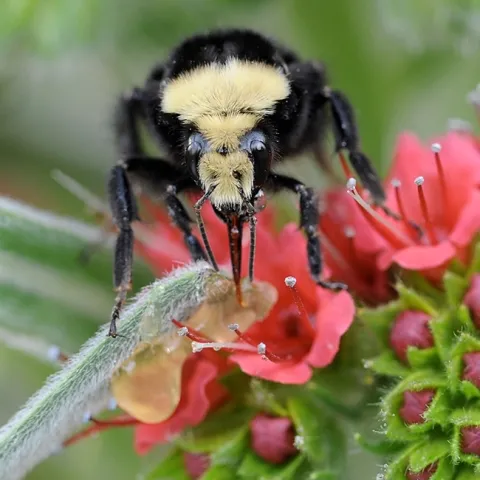
The late Robbin Thorp, UC Davis distinguished emeritus professor of entomology, would have been proud of the California Bumble Bee Atlas and its conservation plans.
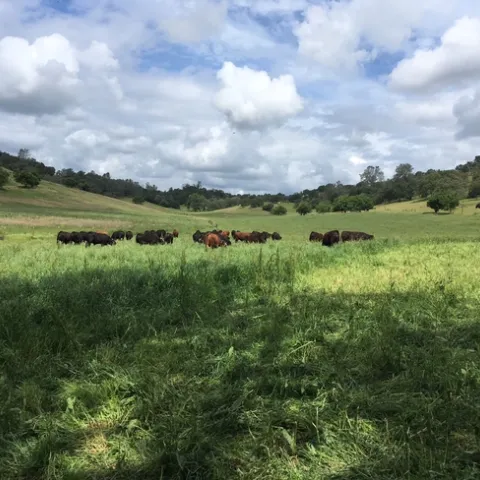
Register now for the Sierra Foothills Cattle & Sheep Grazing School! If you look back far enough in the histories of most foothill cattle operations, you'll find... SHEEP! Believe it or not, many long-time cattle operations also had sheep at one time.
Dear Colleagues, The California Strategic Growth Council (SGC) is pleased to announce the availability of funding for Round 1 of the Regional Climate Collaboratives (RCC) Program through this Notice of Funding Availability (NOFA).
En un da caluroso y tras una larga caminata por los cultivos de ctricos, cebolla, papa y aguacate y ms vegetales, decenas de estudiantes se detenan en el refugio de sombra a tomar descanso y a degustar algo que les sorprendi.