UC ANR is committed to providing an accessible and inclusive web experience for all users. If you encounter an accessibility barrier or need content in an alternative or remediated accessible format, please contact anraccessibility@ucanr.edu.
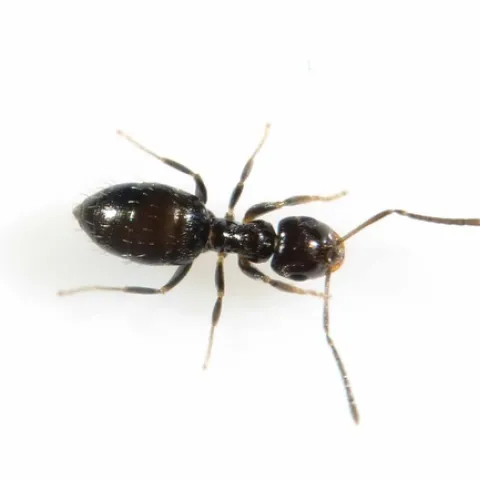
[From the Fall 2018 issue of UC IPM's Green Bulletin newsletter] The dark rover ant (Brachymyrmex patagonicus) is an invasive species which is increasingly being noticed in Southern California. It is a nuisance species that invades structures as both workers and winged (alate) individuals.
California avocados often are exposed to high temperatures after harvest, either in the field or during preconditioning (ethylene treatment), especially in summer.
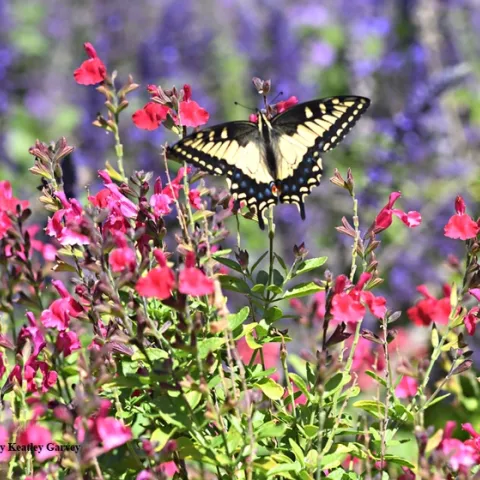
When you head over to a nursery, and see bees and butterflies and other pollinators foraging on the plants, that's a good sign. Buy the plants. Promise: The pollinators will come.
Reposted from the UCANR Green Blog Sudden oak death, which has killed millions of trees in California over the past 20 years, is spreading more slowly, according to California's most recent citizen-science sudden oak death survey.
There are important reasons why people of all ages need physical activity for good health. Physical activity is any body movement that uses energy. It includes not only sports and exercise classes, but also daily activities such as house or yard work and walking.
On the surface, it doesn't seem logical. But research has confirmed that the lower the income and the more often a family doesn't have enough to eat, the more likely it is the adults and children are or will become overweight.
Childhood obesity is increasing, and experts have suggested that this is due in part to changes in our environment. Cities and towns are not being designed for walking to stores or to schools.