UC ANR is committed to providing an accessible and inclusive web experience for all users. If you encounter an accessibility barrier or need content in an alternative or remediated accessible format, please contact anraccessibility@ucanr.edu.
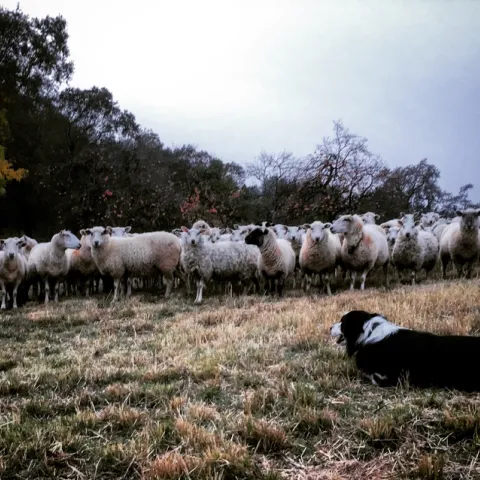
Earlier this week, we started to see some signs that some of our feeder and replacement ewe lambs where infected by barber pole worms, a parasitic stomach worm fairly common in sheep that are grazing on irrigated pasture during the summer months.
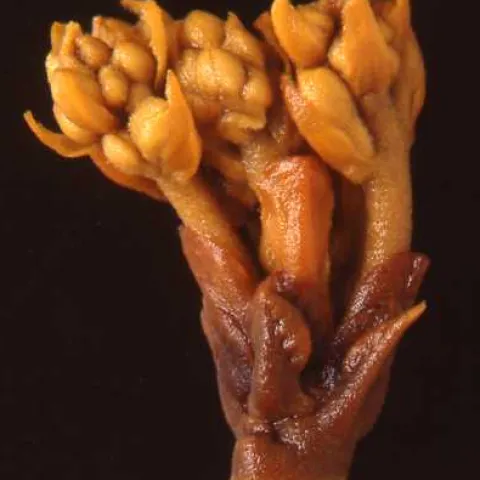
At a recent grower meeting at South Coast Research and Extension Center in Irvine, Carol Lovatt gave a talk on the use of gibberellic acid to increase avocado fruit set and yield. The registration for the use only occurred this spring, barely in time for growers to use it, so not many applied it.
Fresno and Madera Counties' UC CalFresh Nutrition Education Program has a long-standing partnership with the Fresno State Dietetic Internship Program. This blog post is part of our Intern Reflections Series.
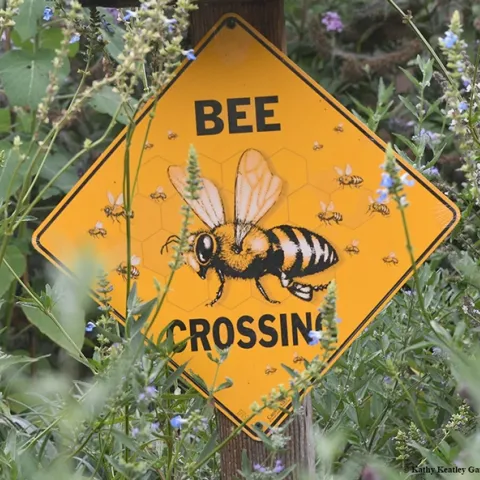
Bee-hold, the eye of a bee-holder. When you have a "Bee Crossing" sign in your pollinator garden, odds are that bees will cross right in front of that sign. And it's not always a honey bee.
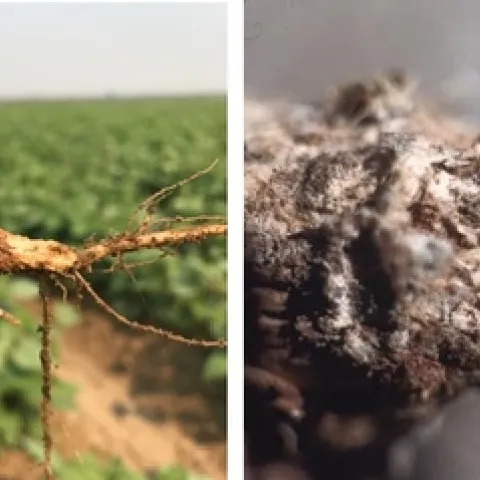
A baby lima bean field in the Sacramento Valley was recently found to be infected with southern blight (Sclerotium rolfsii), a fungal pathogen that's found in many crops. The field was double-cropped with barley and planted late June.
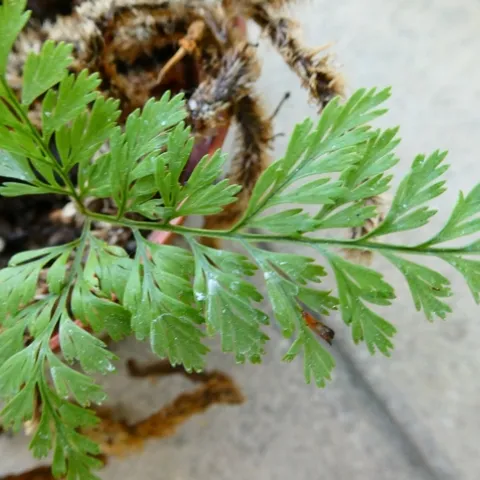
Among my fern collection are two with feet. Both are epiphytic meaning they retrieve nutrients and moisture from the air. In their native habitat, these feet (or rhizomes) wrap around and cling to tree trunks.
By Brian H Marsh, Steven D Wright, Mark E Lundy, Michelle M Leinfelder-Miles, Sarah E Light, Nicholas E Clark
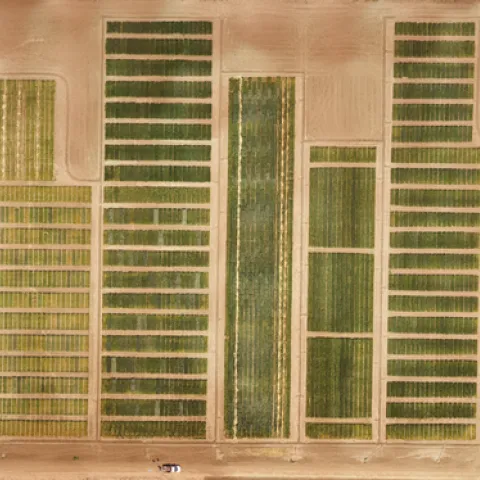
Preliminary grain yield results for our fall-planted common wheat, triticale, durum wheat and barley trials are now available on the UC Small Grains Research and Information Center website: http://smallgrains.ucanr.