UC ANR is committed to providing an accessible and inclusive web experience for all users. If you encounter an accessibility barrier or need content in an alternative or remediated accessible format, please contact anraccessibility@ucanr.edu.
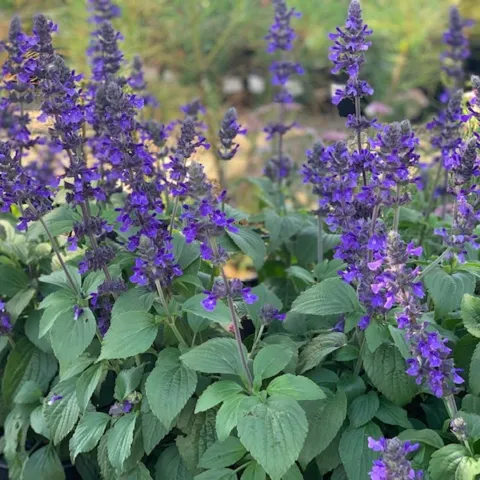
Here are a few plants that are blooming in my garden now or were until very recently. Layia platyglossa, or tidy tips, is an annual California native with a sweet scent and sunny innocence. It is easy and quick to grow and you will be rewarded with a profusion of 2-inch blooms…
“I hate manzanita!” is the sentiment of a friend of mine who in the early 90s, while working in the U.S. Forest Service with archeologists, was on the lowly field crew, surveying areas scheduled for logging. They were hunting for historic and prehistoric artifacts, often spending way too many hours…
Tropism (trow-piz-em) n. in botany. An involuntary orientation by an organism or one of its parts that involves turning or curving by movement or by differential growth and is a positive or negative response to a source of stimulation. Out of curiosity, I looked up the word for how sunflowers…
Designing, Planting, and Using a Therapeutic Garden by Sue Jeffries In the classic 1970 folk song, “Woodstock,” Joni Mitchell opined “…and we’ve got to get ourselves back to the garden.” In fact, data suggest that 60% of us spend less than 30 minutes per day outdoors, 30% of us less than one…
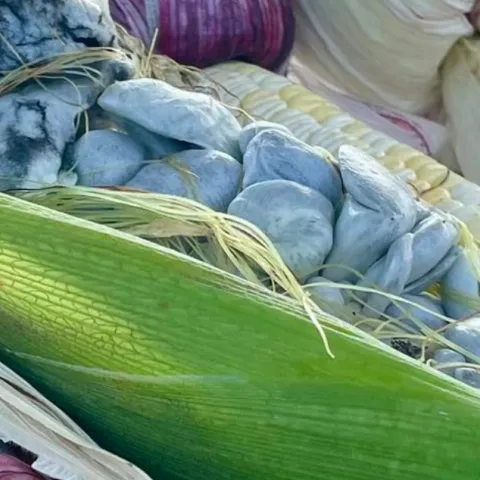
Each year, Hispanic Heritage Month offers us a chance to pause and celebrate the rich traditions, resilience, and contributions of Hispanic and Latino communities in California. For the UC Master Gardener Program of Sonoma County, this celebration is rooted in the land — in the stories, seeds, and…
How easy is it to pick the best container for your plant? Is it just a matter of size of the container—10 inches versus 12 inches?—or color? Below are some factors to consider that will help provide your chosen plant the best chance at a healthy and happy life. Know Your…
When I think of Halloween and the familiar decorations that pop up in neighborhoods, one creature always comes to mind, the bat. From eerie silhouettes hanging in windows to plastic models dangling from porches, bats are synonymous with spookiness. But why? Perhaps it’s their connection to vampire folklore…
UC Master Gardeners of Butte County are midway through their 2025 fall series of workshops. From now to the middle of December, there are eleven topics to explore, including six all-new ones. There is something here for beginning and experienced gardeners alike, and for every size of home garden.
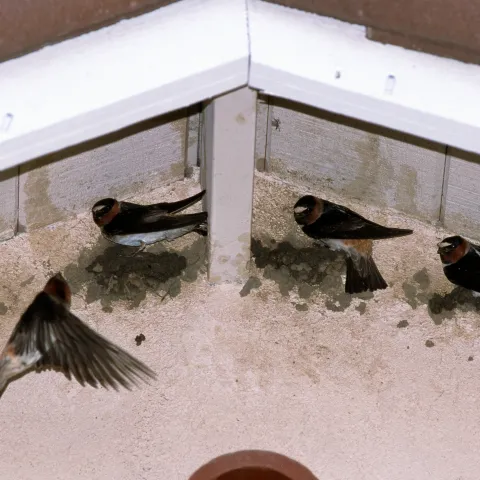
Urban and suburban areas are important habitats for migrating birds, but birds can also quickly become a nuisance or economic issue when they nest on buildings, homes, and other structures. Their activities can result in disruptive noises, lead to potential structural damage, and their droppings can create…