UC ANR is committed to providing an accessible and inclusive web experience for all users. If you encounter an accessibility barrier or need content in an alternative or remediated accessible format, please contact anraccessibility@ucanr.edu.
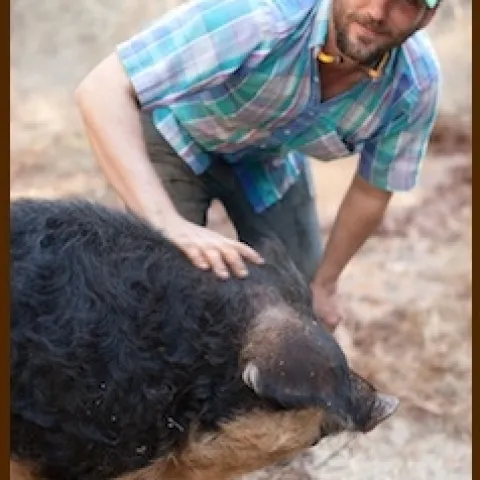
In my recent interview with Paul Glowaski of Dinner Bell Farm, co-owner of a pig and flower farm in Chicago Park that has been in business for 9 years, he gave insight into some of the values and challenges associated with becoming a farmer in the foothills.
Fruit Trees: Thinning Young Fruit Fruit trees often set more fruit than they can support or develop adequately. Excessive fruit compete with each other for food and remain small. Leaving too much fruit on a tree can also lead to limb breakage.
Pests have always been a bane of human existence. Modern society has developed effective pest management, but there is no kind and gentle way to kill things, said Brian Leahy, the director of the California Department of Pesticide Regulation, in remarks at the April 2018 IPM Summit.
Over the last two weeks at UC CalFresh Nutrition Education Program, I learned fun and innovative ways to provide nutrition education to children and adults. The UC CalFresh Nutrition Education Program helps families, adults, and children by teaching nutrition lessons at schools and community events.
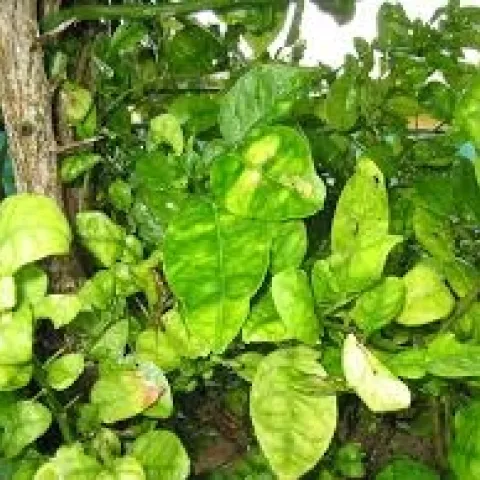
A single breakthrough discovery for managing citrus greening in Florida in the future is unlikely, says a new report by the National Academies of Sciences, Engineering, and Medicine.
Advice for the Home Gardener from the Help Desk of the UC Master Gardener Program of Contra Costa County Client's Request: Do you have recommendations on tomato cages? I bought the heavier gauge tapered cylinder ones at the big box store.
Recently I got together with a friend and helped her make the following Lemon Curd. It was De-LISH! Follow the instructions exactly for a good boiling-water-bath-preserved lemon curd. Make sure you get lots of lemons, organic or home-grown lemons, for the most excellent zest.