UC ANR is committed to providing an accessible and inclusive web experience for all users. If you encounter an accessibility barrier or need content in an alternative or remediated accessible format, please contact anraccessibility@ucanr.edu.
I've reposted (with permission) Stephen Flanagan's article from The IR-4 Project. Check out the whole issue "Volume 48 No.1 Winter 2017" for several interesting articles from a program that is incredibly important to pest management in specialty crop agriculture.
What are the odds? Native pollinator specialist Robbin Thorp, distinguished emeritus professor of entomology at UC Davis, greeted a visitor on Feb. 14 in his office in the Harry H. Laidlaw Jr. Honey Bee Research Facility. This visitor didn't talk, though. She buzzed.
The UC Small Grains program requests your participation in a survey, which will help inform research and extension efforts. The questions were developed to help us understand the changing landscape of small grains production in California.
Soil pH along most of the California coast north of Los Angeles ranges between 7.3 and 8, which is generally higher than many edible and ornamental plants prefer.
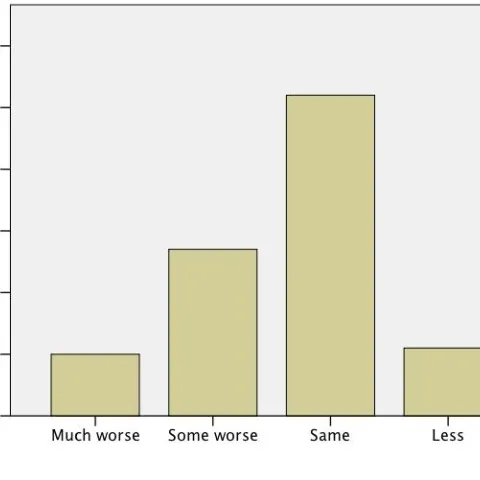
During our Jan 2017 winter meetings, I conducted a short clicker survey about how bad tadpole shrimp (TPS) has become in the past few years. There were a couple of technical difficulties, and attendees to the Richvale meeting didn't get to see the answer to the questions.
It's a story that no one is letting him forget. Noted medical entomologist Robert "Bob" Washino, emeritus professor of entomology and a veteran academic administrator at UC Davis, was hanging out in his back yard in Davis last spring when an aedine mosquito bit him.
We need your help to better understand the current status of small grain production in California and how to focus our research and extension efforts moving forward. If you are involved in the California grain industry, we would appreciate your participation in the survey at this link: https://www.
They saw bugs. They saw bones. They saw honey bees. They saw hawks. Those were just a few of the offering at the sixth annual UC Davis Biodiversity Museum Day, held Saturday, Feb. 18. More than 3000 visitors checked out the offerings. The free family-friendly, science-based event, held from 9 a.m.
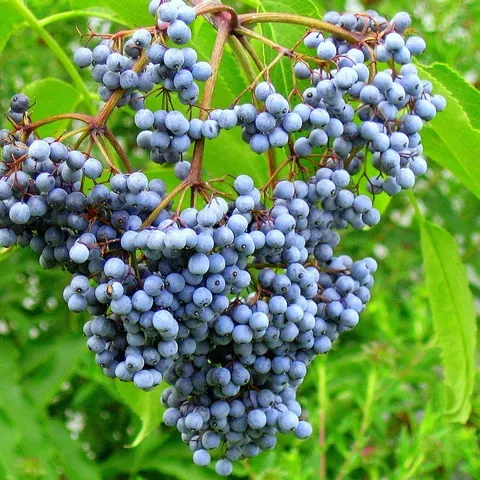
An increasingly sought after health product are the fruit and flowers of elderberry Sambucus mexicana. It is a nutraceutical which has more antioxidants than other dark fruit like blackberry and pomegranate. It's a California native, but it is estimated there may 30 species worldwide.