From moths to medicine... When distinguished professor Bruce Hammock of the UC Davis Department of Entomology speaks at the department's noonhour seminar tomorrow (Wednesday, April 6) in 122 Briggs Hall, his topic is sure to draw attention.
Cover crops, or vegetation that was grown after the cash crop was harvested, was a practice that was widely used in the 1940s and 1950s. The vegetation was used to maintain or increase the fertility of the soil before commercial fertilizers became widely available.
In a Great Basin sagebrush community, low rates of glyphosate applied at the medusahead tillering stage in late April to early May provided excellent control of medusahead.
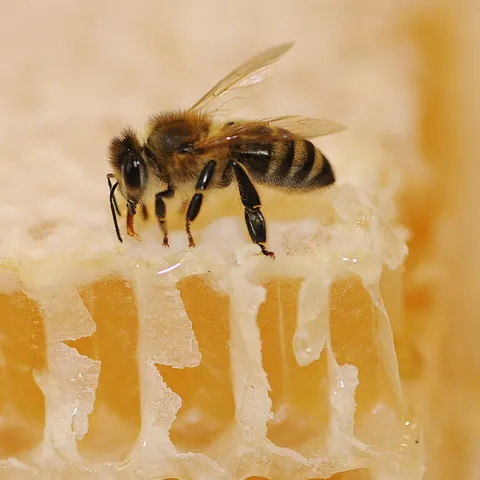
Very rare. Very rare, indeed. It has the eyes of a drone and the body of a worker bee. And no, this is not science fiction. It's a mutant honey bee. "They're not totally uncommon," said Extension apiculturist Eric Mussen of the UC Davis Department of Entomology. "But they're there.
I only have a moment to post today but wanted to put up two links concerning the research and publications of a retired Purdue University researcher. Dr.
2010 rice variety trials results - How much phosphorus should you apply? - New UC Rice Blog - Rice Winter Meetings and Rice Production Workshop presentations available on-line - Contributions of California rice farmers to the economy - New UC ANR publications.