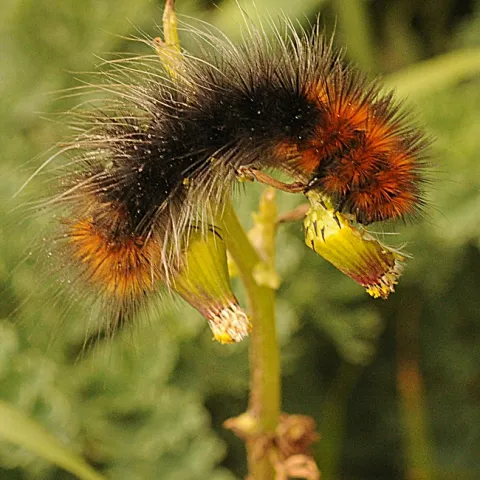
If you enjoy climbing the cliffs of Bodega Head on the Sonoma coast, keep your eyes out for bears--wooly bear caterpillars, that is. The so-called "wooly bear caterpillar" is reddish, black and woolly and has a voracious appetite much like that of Joey Chestnut.
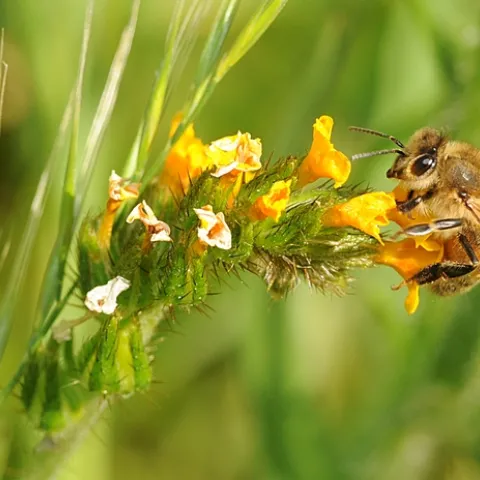
Nero may have fiddled while Rome burned, but the honey bees just kept on working. We recently visited an apiary in Glenn County, and the honey bees were all over the fiddlenecks in patches adjacent to the hives. A springtime scene of golden flowers and buzzing bees. An artist's dream...
We commonly select for specific weeds in agricultural systems because of the neccessary managment practices. Cultivation, fertilization, irrigation, weed management, etc all can affect the weeds in a given field.
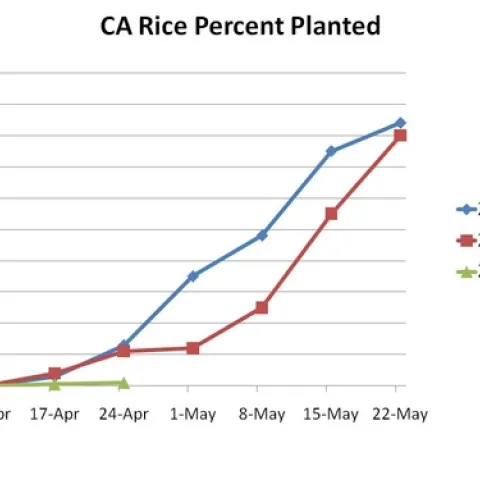
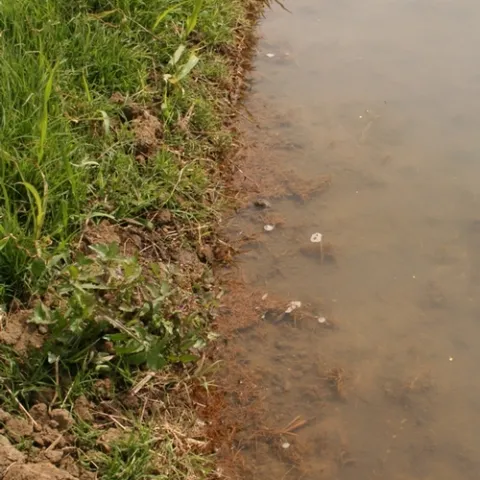
I was looking for weevils today, so I visited a field with a history of weevil problems. The field was seeded 3 days ago, and there were no plants (rice or weeds) in the field yet. Levees were clean, the borders were weedy.
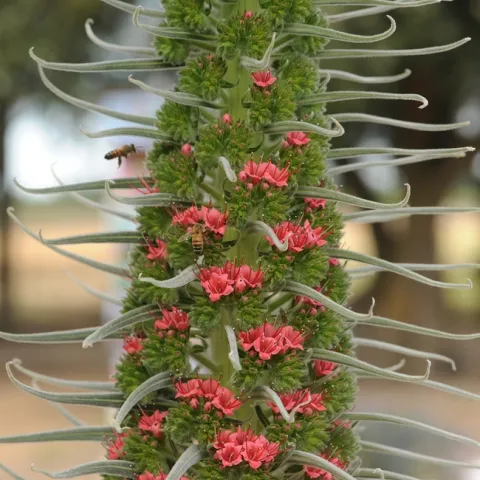
It's worth the wait. The two towers of jewels (Echium wildpretii) are blooming in the Hagen-Dazs Honey Bee Haven, the half-acre bee friendly garden next to the Harry H. Laidlaw Jr. Honey Bee Research Facility, UC Davis. The plant is a biennual and it blooms the second year and that's it.
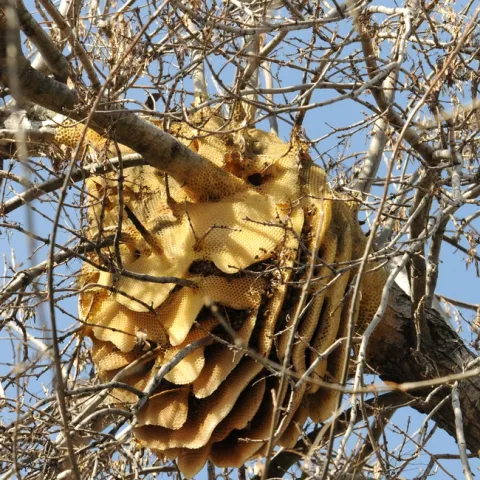
It's spectacular. It's awe-inspiring. It's a work of art. And it's home to a feral honey bee colony in Vacaville. A Vacaville resident contacted us awhile back about a feral honey bee hive built 30 feet off the ground in a Modesto ash tree.
Register for Weed Day 2011 July 14, 2011 :: UC Davis (Visit http://wric.ucdavis.edu and click on Weed Day) Be a Weed Day sponsor (click here.) UC Weed Research & Information Center (WeedRIC) :: Phone: (530) 752-1748 :: Fax: (530) 752-4604 :: http://wric.ucdavis.
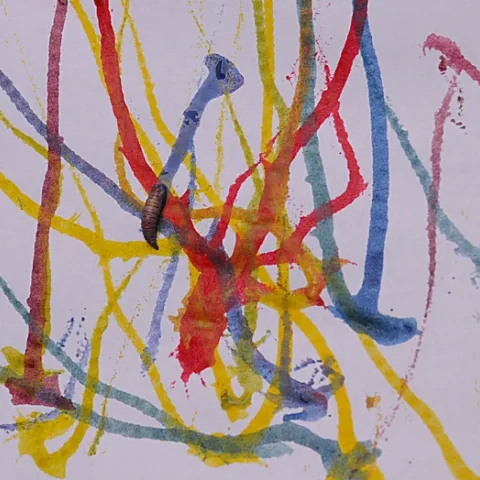
There's something about maggots that non-forensic entomologists don't like. "Those are the larvae of a fly," a mother told her inquiring daughter last Saturday at the Maggot Art table at Briggs Hall, UC Davis campus. The occasion: the 97th annual UC Davis Picnic Day.
Yesterday, I attended the Southern San Joaquin Valley Olive Day organized by UC Cooperative Extension orchard systems farm advisor, Elizabeth Fichtner (UCCE Tulare Co).