Ongoing research

Primary Image
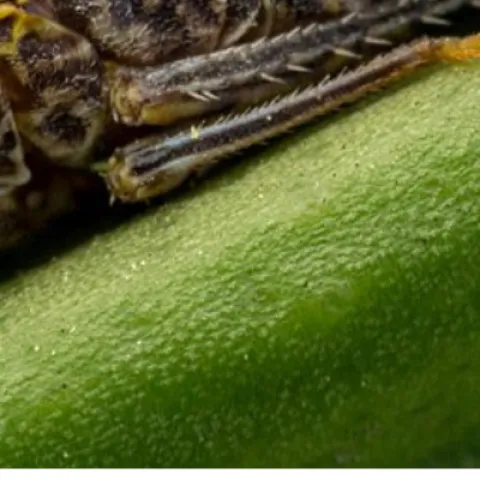
glassy winged sharpshooter insect on a stem
Under the Solano Sun: Article

Oh No! Another Infestation!

May 15, 2026
By Jennifer M Baumbach
Blog by Michelle SchlegelLast night, I wanted to make Chicken Scallopini and needed fresh sage. In the back garden are my culinary sage plants. I had noticed a few Leafhoppers last year, but didn’t treat the plant. I was hoping a cold winter would kill them. Well, that didn’t happen. This spring is its usual…
View Article
UC Master Food Preservers of Central Sierra: Article

Preserve it! Series: What Can Be Done About Fruit Float

May 14, 2026
Reduce fruit float when canning fruitFruit Float is the term used when produce separates and floats to the top of the jars.There are a few things that can be done to avoid or reduce fruit float when canning fruit:Use Firm Ripe Fruit. Firm fruit has less air trapped in it than ripe fruit. It also absorbs less…
View Article
UC Master Food Preservers of Central Sierra: Article

Preserve it! Series: Take Control of Your Inventory

May 14, 2026
The USDA recommends preserving enough for one year. We should all have an annual habit of checking our inventory of preserved foods. The USDA recommends we preserve enough food for one year. Why is one year recommended? Here are a few reasons: In one year, another crop will be available for…
View Article
UC Master Food Preservers of Central Sierra: Article

Preserve it! Series: Observe the 2-Hour Rule

May 14, 2026
Keep perishable food safe by observing the room temp time limits. One of the basic maxims of food safety is keep hot foods hot and cold foods cold.  Not keeping perishable food hot enough (at or above 140°F) or cold enough (at or below 40°F) allows bacteria to multiply quickly, causing the food to…
View Article
UC Master Food Preservers of Central Sierra: Article

Preserve it! Series: Know Your Elevation When Canning

May 14, 2026
Make your altitude adjustments. Did you know that at altitudes over 1,000 feet above sea level, you need to make adjustments to your canning procedures? When boiling water or steam canning, processing times need to be lengthened. When pressure canning, pressure needs to be increased. Why? Because as…
View Article
UC Master Food Preservers of Central Sierra: Article

Preserve it! Series: The Top 5 Pathogens that Cause Foodborne Illness

May 14, 2026
There are 31 reasons to follow safe food handling procedures. Bacteria and other microorganisms (such as parasites and viruses) are everywhere.  They’re in the soil and water, they float through the air, they’re on plants and are in and around animals, and they’re even on people. The good, the…
View Article
UC Master Food Preservers of Central Sierra: Article

Preserve it! Series: Remove Foil from Baked Potatoes Immediately for Safety

May 14, 2026
Baking potatoes in foil is a safety concernBaking potatoes in aluminum foil is a common way of preparing this root vegetable.  Doing so makes the skin soft, and some say that it makes the potatoes cook faster.  The foil can also keep the potatoes hot longer once they come out of the oven – and this…
View Article
UC Master Food Preservers of Central Sierra: Article

Preserve it! Series: Canning Breads is Unsafe

May 14, 2026
Cake and quick bread should never be "canned."Pretty pictures and recipes for quick breads and cakes canned or baked in canning jars (aka mason jars) often circulate on the Internet, especially around the holidays.  Despite what some well-intentioned bloggers may say, the practice of canning breads and…
View Article
UC Master Food Preservers of Central Sierra: Article

Preserve it! Series: Bubbles in Canning Jars Can Be Bad News

May 14, 2026
Distinguish between bubble types to determine safety.It’s not uncommon to see tiny bubbles in glass canning jars; these are generally not a concern. But large bubbles in the glass are manufacturing defects. They indicate weak points in the walls of the jars which could spell trouble during the canning…
View Article