
Good nutrient balance makes healthy garden soils. It is beneficial to get soil tested by a state-certified laboratory. Below is a collection of our monthly tips that relate to garden soils.
To-Dos: Soil
Bone Meal for Bulbs?
Green Waste or Compost
Mulch Bare Soil Before Rains
Organic Soil Amendments
Potting Mix vs Planting Mix
Reusing Soil in Containers
Sheet Mulching - “Lose the Lawn”
Soil Management - Compost vs Mulch
Soil Moisture Test
Soil Solarization
Soil Temperature
Using Mycorrhizae Inoculants
Wet Soil
Why You Should Test Your Soil
Will Pine Needles Acidify My Soil?
Winter Soil Health
Worm Composting
What to Plant: Soil
Bone Meal for Bulbs?
Bone meal has traditionally been used as a phosphorus source for flower bulbs, but you may want to reconsider. If your soil is healthy, you may not need it and you may be better off with a balanced fertilizer designed for bulbs or even nothing at all. The nutrient content of commercial bone meal is lower than in the past due to the cleaning process, and the bone smell may attract raccoons or dogs to dig up the bulbs.
Months: November
Tags: Ornamental Plants Soil To-Dos
Cover Crops
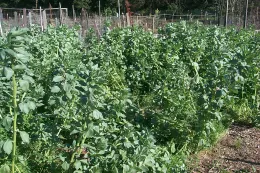
You may want to rest in the winter, but the soil life needs to remain active and protected and preferably weed-free. If you’re not planting vegetables or ornamentals in an area for a few months, try plants designed to feed the soil and the organisms that live in it. Cover crops are ideal for putting nutrients back into your soil and keeping weed growth to a minimum. Fava beans are the most popular cover crop in this area and can be seen in abundance in community gardens. Other common crops are clover, vetch, and bell beans. Different cover crops provide a variety of benefits. Cereals such as oats and barley to help build organic matter. Beans and other members of the legume family fix nitrogen from the air and make it available in the soil and to plants. The roots also break up heavy clay soil and improve its structure. While fava beans are edible, they provide the most nitrogen to the soil if they are cut up and dug in while they are still in the flowering stage.
More Information
Months: September October
Tags: Soil What to Plant
Green Waste or Compost
What items should go into neighborhood green waste collection and what should go into a compost pile? Yard trimmings like grass clippings, leaves, and dead plants—but no pet waste—go into green waste collection for commercial processing. Food scraps may or may not be accepted, depending on your city or waste collector. For home composters, collect green waste plus other organic materials like fruit and vegetable peelings, coffee grounds, and newspapers. But don’t include diseased plants. Even though heat is released during the decomposition process, the temperature is usually not high enough in home composting to kill pathogens.
More Information: Santa Clara County Composting Education Program
Months: Any Month
Tags: Best Practices Soil To-Dos
Mulch Bare Soil Before Rains

Mulch isn’t just for the summer. Yes, it’s good for conserving soil moisture and keeping the ground cool, but it’s important in the rainy season too. Bare soil that’s open to rain, wind, and sun becomes compacted and hard. Rain tends to run off instead of getting absorbed. Compare a patch of bare soil with one that’s been deeply mulched, and you’ll see the difference. An organic mulch that slowly decomposes keeps the soil beneath it moist and loose, plus it will suppress the weeds that will be sprouting with the rains.
More information: Impact of Mulches
Months: October November
Tags: Best Practices Soil To-Dos
Organic Soil Amendments
After harvesting remaining summer crops, add amendments such as blood meal, alfalfa pellets or fish emulsion to replenish nitrogen in the soil. Add a layer of compost to all existing garden beds to provide needed nutrients for winter crops. Be sure to leave some areas of native soil for ground-nesting bees.
Months: October
Tags: Best Practices Soil To-Dos
Potting Mix vs Planting Mix
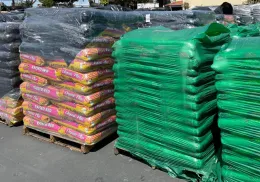
Is there a difference between potting mix, potting soil, and planting mix? The best advice is to read the label. The terms for bagged mixes aren’t regulated, so they can vary by manufacturer. What’s important to know is that not all bagged mixes can be used in pots. Some are meant to be used as garden fill, amendment, or mulch, so they won’t provide the right water retention, drainage, or nutrients for container gardening.
For more information: Bagged Potting Mixes
Months: March April May November
Tags: Garden Basics Ornamental Plants Soil Vegetables To-Dos
Reusing Soil in Containers
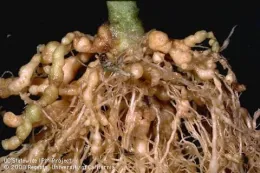
When the plants are done in the containers, you can refresh the container soil without throwing it away. Start by loosening the soil and removing the plant parts. Then, add additional potting mix and some compost. The fresh material will add nutrients and organic matter for the next round of planting. Do not reuse the container soil if there have been problems with disease, insects, or weeds. Pathogens, insect eggs, and weed seeds can remain in the soil even after a plant is removed.
More information: Gardeners can reuse, recycle last year’s potting soil, Oklahoma State University Extension
Months: November
Tags: Soil To-Dos
Sheet Mulching - “Lose the Lawn”
An easy and environmentally friendly way to “lose the lawn” is to smother the grass and mulch at the same time. Place cardboard or several layers of newspaper over the area, overlapping by eight inches to keep weeds from finding openings. Wet the cardboard or newspaper, then cover it with 4-6 inches of compost, plant trimmings, or other mulch. Having wood chips on top will give it a neat appearance. The materials will gradually break down and improve the soil over time. New plants can be installed by cutting an X in the cardboard or newspaper and placing the plants right through the mulch. UC Davis Arboretum Horticulturist Stacey Parker’s website shows you how it’s done.
Months: March
Tags: Lawns Soil Techniques To-Dos
Soil Management - Compost vs Mulch
Many home gardeners are confused about the terms “compost” and “mulch;” frequently these terms are used interchangeably, but they are not really the same thing. Amend soil with compost to create soil that will retain water but still drain well enough for roots to have the air and water they need.
Benefits of compost
- Forms aggregate particles with clay
- Creates larger pore spaces for water & air
- Helps release nutrients from clay so that plant roots can absorb them
- Supports the soil foodweb by providing nutrients for the organisms
- Lowers pH somewhat
Benefits of mulch
Mulch does not get worked into the soil. It sits on top of your irrigation system and helps:
- Control weeds
- Prevent erosion
- Preserve soil moisture
- Keep roots cool and moist
Mulches, UC Integrated Pest Management
Months: March April May Any Month
Tags: Best Practices Soil Techniques To-Dos
Soil Moisture Test
How can you tell if your soil is moist enough?
- For trees or other landscaping, try pushing a soil probe or rod into the ground. When it stops going in, that shows how deeply water has penetrated. Irrigate until the water reaches 12 inches deep for grass, 12 to 18 inches for shrub and perennials, and 12 to 24 inches for trees.
- For garden beds or pots, use a trowel or simply stick your finger down into the soil a few inches to feel if it is moist or dry. Irrigate to keep the root zone moist.
- For smaller pots, you can often tell by lifting them if they need water. Well-watered pots will be heavy. Watch out for pots that have become hydrophobic, where the water runs through them without getting absorbed. They will need to be watered very slowly or soaked in a larger container to get rehydrated. See our tips for dealing with hydrophobic soil.
Remember that plant roots need air as well as water, so you want your soil to be moist but not soggy.
Months: June July August September
Tags: Best Practices Soil Techniques To-Dos
Soil Solarization
Soil solarization can be used to control diseases, nematodes and weeds by baking everything under plastic sheeting.The best time for solarization of soil is from June to August. Transparent or clear plastic is the best choice. Leave the soil covered for 4 to 6 weeks. Refer to the UC Pest Note on Soil Solarization for Gardens & Landscapes
Months: June July August
Tags: Disease Soil Techniques To-Dos
Soil Temperature
Even a warm April day doesn’t mean your soil has given up its winter chill. Planting in cold soil results in slow germination, increased risk for rot from damping off, and even stressing plants for the rest of the season.
You can use a soil thermometer to check soil temperature directly by following the instructions provided here. UC lists soil temperature conditions for vegetable seed germination, or use our vegetable planting chart to look up the months best suited for planting.
Months: April Any Month
Tags: Soil Techniques To-Dos What to Plant
Using Mycorrhizae Inoculants
Mycorrhizae are symbiotic relationships between a fungus and a plant, in which fungal hyphae and plant roots interconnect and share resources. The plant provides the fungus with sugars and carbon, while receiving water and nutrients through fungal roots that extend far beyond the plant’s root zone. Inoculants have shown some benefit in sterile or fumigated soil, but are generally unnecessary for gardens, where well-adapted fungal spores are already present in the soil.
Additional Information: A Gardener’s Primer to Mycorrhizae
Months: Any Month
Tags: Soil To-Dos
Wet Soil
The clay soils which dominate our area are particularly susceptible to compaction, especially when they have received a lot of rain. These soils are characterized by small mineral particles. Hence squeezing out the air spaces makes it more difficult for plant roots and soil organisms to get the oxygen they need to flourish. Try to avoid walking on or using heavy equipment on soil that is wet. Digging in wet soil can also destroy the structure, breaking up useful soil aggregates and earthworm tunnels. Try to wait until the soil is moist, not wet or dry, for easiest tillage. If you must walk or stand on the soil, use a board to distribute your weight over a broader area. Mulch can also create a bit of a cushion and help minimize compaction.
Months: February March December
Tags: Soil To-Dos
Why You Should Test Your Soil
Before adding fertilizer or soil amendments to your garden, first find out what your soil really needs by conducting a soil test. Knowing your soil’s pH value is important in determining which plants will thrive or struggle in your soil. Understanding the levels of nitrogen, phosphorous, and potassium in your soil will tell you which nutrients are abundant and which are lacking. Don’t overfertilize — excess nutrients can pollute local waterways. Commercial soil testing labs provide the most thorough results, but several home kits can give you a good baseline. Test soon and be ready for spring planting.
Months: January February March
Tags: Soil To-Dos
Will Pine Needles Acidify My Soil?
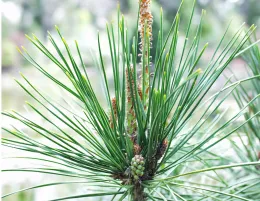
The short answer is no; this is a common garden myth. While it’s true that pine needles are acidic when they drop from the tree, even a thick layer won’t make much difference in your soil pH. They break down naturally and the microbes (decomposers) in the soil neutralize them. In fact, pine needles are a good mulch material because they tend not to form a dense mat, they stay in place during heavy rain, and they take longer to break down than other organic mulches.
More Information: Ten Garden Myths
Months: Any Month
Tags: Soil To-Dos
Winter Soil Health
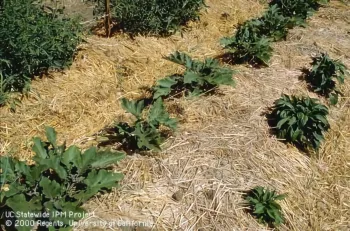
Areas of the garden that are not actively planted still need protection to support soil life and prevent soil erosion. Cover crops are one option. Their roots break up the soil, and if they are legumes, like fava beans, they add essential nitrogen. Mulches hold in moisture, moderate soil temperature, and help prevent weeds from germinating. Unlike rocks and synthetic mulches, organic mulches like leaves, wood chips, or straw slowly break down, supporting beneficial soil organisms and adding nutrients to the soil. A top layer of an inch or two of compost will slowly work down into the soil, amending it with organic matter. Manure from herbivores can also be spread over the top of the soil. Even fresh manure, which could burn plants if applied directly, can be used over a bare area to decompose in place and be ready for the next planting season.
More Information: Keep Your Soil Healthy
Months: October November
Tags: Best Practices Soil Techniques To-Dos
Worm Composting
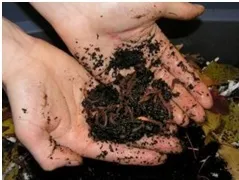
Worm composting, also called vermiculture or vermicomposting, is a convenient way to decompose kitchen waste and provide nutrient-rich soil amendments for your vegetable garden.
The Santa Clara County Home Composting Education Program offers:
Months: February June September
Tags: Soil To-Dos