
Garden Help > Vegetables > Tomatoes
Here's a listing of all our tomato tips. For more information about caring for tomatoes and the most common problems, refer to the UC Pest Site page on tomatoes.
To-Dos: Tomato
Consider Dehydrating Some Of Your Harvest
Growing Vegetables in Containers
Keep Up With Your Vegetable Harvest
Late Tomatoes
Summer Vegetables
Support Your Vegetables
Time for Seed Saving
Tomato Bottom Scarring
Tomato Staking
Tomato Suckers
Transplanting Vegetables
Watering Tomatoes
Pests and Diseases: Tomato
Fusarium Wilt
Healthy Tomatoes
Rat Management
Stink Bugs
Sunscald on Fruits and Vegetables
Tomato Hornworm
Tomato Russet Mite
Tomato blossom end rot
Verticillium Wilt
What to Plant: Tomato
Growing Transplants from Seeds
High Yield Vegetables
When to Start Summer Vegetables from Seed
Consider Dehydrating Some Of Your Harvest
If you have more fruit than you know what to do with, dehydration can be an excellent way to preserve it. Apricots, apples, pears, figs, and tomatoes are all great candidates for drying. While making jams, jellies, cobblers, and pies is one way to use up an abundant harvest, they add fat and sugar to our diet, dried fruit can be a healthy alternative! Onions and garlic can also be dehydrated to last indefinitely.
Also see the publication on Dehydrating Basics by the UCCE Master Food Preservers of Amador/Calaveras Counties.
Months: August September
Tags: Fruits & Nuts Techniques Vegetables To-Dos
Fusarium Wilt
This is the most prevalent and damaging tomato disease. It also starts with the yellowing of lower leaves, but the yellowing may be only on one side (stopping at midrib) of the leaf or just one branch or one side of the plant. The older leaves will droop and curve downward. The yellow leaves wilt and die, gradually killing the whole plant. Sometimes a single shoot is killed before the rest of the plant shows any damage. More information at UC Pest Note on Fusarium Wilt.
Months: June July
Tags: Disease IPM Vegetables Pests and Diseases
Growing Transplants from Seeds
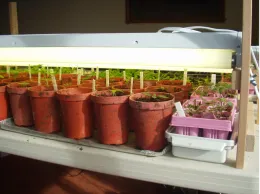
Many summer vegetables can be started now from seed indoors or in a greenhouse. The ground is still too cold for summer seeds to germinate or for the plants to go into the ground. Depending on the weather we get this spring, it will likely be May or June before the soil is warm enough. The soil in containers or raised beds will warm up earlier in the season.
Starting plants in pots will give them time to get stronger before putting them near potential pests. It will also allow you to continue enjoying current cool-season vegetables.
Information found on the seed packages will show which conditions are best for germination. Peppers in particular germinate best with high soil temperature. Using a heating pad is one way that this can be done indoors.
Be sure to provide light once the seeds germinate if the seedlings are not in natural sunlight. Seedlings with insufficient light will grow tall and thin and leggy and will not be as strong.
When reusing pots for seed starting, prevent the spread of plant diseases by making sure they are clean. Remove any remaining soil and cobwebs; then clean with a 10% bleach solution: 1 part bleach to 9 parts water.
If they are growing too large for the pots they are in, transplant them into larger pots. The same can be done for seedlings purchased from a nursery. Transplant them on the ground as suggested under “when to plant” for each vegetable tomatoes, peppers, cucumbers, squash, and melons.
This video provides more details on raising your own seedlings.
Months: February March April
Tags: Vegetables What to Plant
Growing Vegetables in Containers
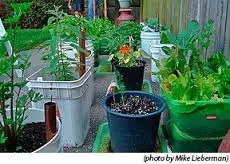
Container grown vegetables can be decorative as well as good to eat. Almost any vegetable can be grown in a container if given the proper care. Eggplant, peppers, tomatoes, lettuce, onions, carrots, cucumbers and herbs do well. Use our Vegetable Planting Chart to decide when to plant.
One of the biggest problems is that containers dry out very fast and nutrients wash away. Both are solvable. Do not use clay pots, which dry out quickly. Plastic, composite or wooden half-barrels are good, but avoid dark colors that can absorb heat. Vegetables like a roomy container.
There must be drainage holes in the bottom but it is not recommended that you put pebbles or broken crockery in the bottom. Use a good commercial potting mix, not planter or planting mix. Group the containers together so they will shade one another.
The hot summer sun can heat the soil to unhealthy levels. Water whenever the soil is dry. You can test by digging your fingers into the dirt. You may have to water more than once a day. A simple drip system is easy to install and will make your container garden almost foolproof. Fertilize every week with a water-soluble fertilizer.
More Information: Edibles in Containers
Months: February March April October November
Tags: Techniques To-Dos
Healthy Tomatoes
Tomatoes are one of the most popular vegetables in home gardens, largely because of the taste difference between a homegrown tomato and a store-bought tomato. Here are a few things to watch out for to keep the plants healthy. Regular watering helps nutrients flow throughout the plant and can prevent blossom end rot. Clean soil and sanitation reduce the common Verticillium wilt in which lower and older leaves turn yellow and brown. And russet mite, where lower leaves and stems appear a greasy bronze, can be controlled with sulfur dust.
Managing Pests and Diseases of Tomatoes
Months: July August
Tags: Best Practices Disease IPM Techniques Vegetables Pests and Diseases
High Yield Vegetables
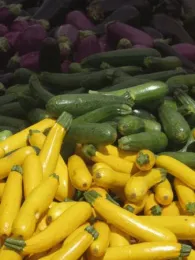
There are many considerations for choosing which edibles to plant in your garden. A particularly important one this year may be high yield. The more the plants produce, the more food you will have right on your property. Zucchini naturally comes to mind first. You may need to research additional recipes, and your neighbors may be more amenable this summer to having bags of zucchini dropped on their doorsteps during the night. Other plants that produce a lot are tomatoes and eggplant. Green beans need to be picked almost daily so they will give you an ongoing source of vegetables for a couple of months. Certain cucumbers like Persian cucumbers are eaten small and produce prolifically, enabling you to eat cucumbers more often than if you were waiting for full-size varieties. Vining plants, e.g., melons, will give you more to eat if grown on vertical supports rather than having the produce lie on the ground where it can be more readily eaten by pests.
Months: April May June
Tags: Best Practices Vegetables What to Plant
Keep Up With Your Vegetable Harvest
The middle of summer is a particularly busy time of year for vegetable gardeners. It can be a challenge to keep up with harvesting—beans can become swollen and tough and zucchinis can become baseball bats! It’s particularly important to keep up with plants such as beans because the production of mature seeds (inside the pod) signals the plant to stop producing. Tomatoes can split and rot on the vine in exceptionally hot weather.
Months: July August
Tags: Abiotic Disorders Best Practices Techniques Vegetables To-Dos
Late Tomatoes
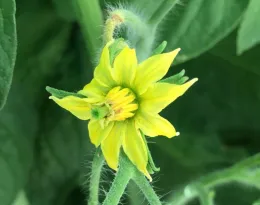
How many more edible tomatoes can you expect to get this year? Any tomatoes currently on the plant are likely to ripen nicely in the next month or so. Current blossoms may lead to good tomatoes, mealy tasteless tomatoes, or none at all. It depends on the weather. Many of us have taken the gamble and eaten tomatoes into December and beyond, more for the challenge and bragging rights than for exquisite flavor. But a cool fall can affect production and quality, and some gardeners start removing blossoms now. This allows the plant’s energy to go into the existing fruit. If we have another mild winter like last year, the plant could survive and produce another crop of tomatoes next summer. We each make our own decisions based on our guesses, hopes, energy level, and available garden space.
More information: Growing tomatoes in the home garden
Months: September
Tags: Techniques Vegetables To-Dos
Rat Management
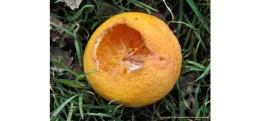
Have you found a hollowed-out orange or other sour fruit like Meyer lemons with no skins, tomatoes with bite marks, fruit with holes gnawed in them, or grape skins or cherry tomato skins scattered around? It is the work of a roof rat.
Rats show up when your citrus, tomato, or fruit first starts to ripen. Rats are agile climbers and usually live and nest in shrubs, trees, and dense ground cover like ivy. One management strategy is to prevent access to the tree by cutting branches away from fences or other trees, leaving a gap of at least 2 to 3 feet, good sanitation is required. Garbage and garden debris should be eliminated. Use tight-fitting lids on garbage cans. Thin out dense vegetation to make the habitat less desirable. Mow ivy once a year to the ground. Climbing ivies on fences or buildings should be removed.
Per the UC pest note (linked below), trapping is the safest and easiest method for controlling rats. Read the pest note for other management strategies as well.
More information: Rat Management
Months: January February March April July August September Any Month
Tags: Best Practices Disease Fruits & Nuts IPM Vegetables Pests and Diseases
Stink Bugs
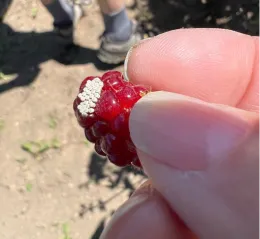
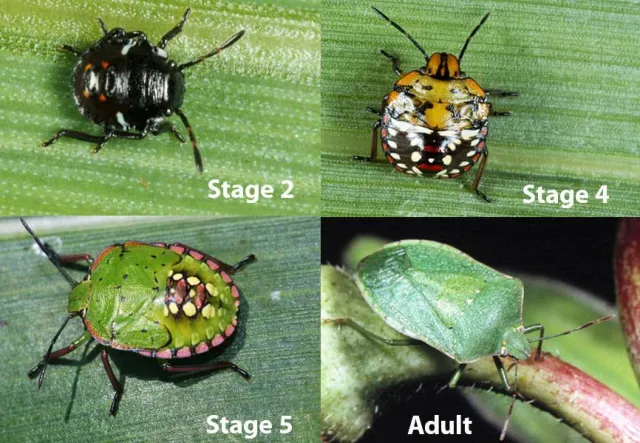
Stink bug’s eggs are white in barrel-shaped cylinders with concentric circles ending in a bull’s eye. You might find them on the underside of leaves or in plain sight on fruits and vegetables in your garden. Soon they will hatch, shapeshifting in appearance five times before becoming shield-shaped adults either in brown or green color. Called stink bugs because they excrete a smelly fluid when disturbed. These insects feed on a variety of fruits, nuts, and vegetables such as tomatoes, squash, and beans, leaving blemishes and dark pinpricks in their wake.
The best way to control them is to handpick eggs and bugs off plants and get rid of weeds where they may live. It’s not helpful to use insecticides because by the time you notice damage, the stink bugs will likely be gone already.
More information: UC Pest Note on Stink Bugs
Months: July August
Tags: IPM Invertebrates Pests and Diseases
Summer Vegetables
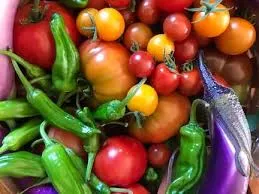
Just because your summer vegetables are in the ground, beds, or containers, it doesn’t mean you can ignore them until it is time to harvest. And harvesting normally happens over weeks or months. Make sure you know what the vegetables will look like when mature; don’t be waiting for a green zebra tomato to turn red. Many vegetables are more tender when picked on the younger side. And they can go to seed and slow down production if left too long. Watering regularly is important. You need to water enough to get abundant production and make it worth the investment. Mulching and removing weeds will help conserve water for the vegetable plants. As with all plants, watch out for pests and diseases.
More information: Vegetable gardening
Months: May June July August September
Tags: Techniques Vegetables To-Dos
Sunscald on Fruits and Vegetables
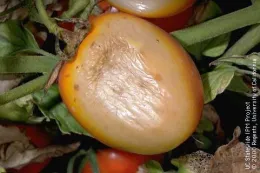
Fruits and vegetables can get sunburned in the summer heat. This is more commonly called sunscald and it frequently affects peppers, tomatoes, and persimmons. To protect them, provide shade cloths during the hottest part of the day. Avoid heavy pruning that leaves fruits exposed as the leaves shield the produce from the sun. Water well during extreme heat and use mulch to retain moisture and reduce heat stress. You can cut out the damaged parts and eat the rest of the fruit.
Months: July August
Tags: Abiotic Disorders Fruits & Nuts IPM Vegetables Pests and Diseases
Support Your Vegetables
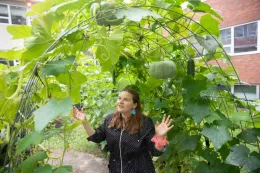
Save garden space by providing good support systems for climbing or vining vegetables like tomatoes, pole beans, and cucumbers. Growing vertically also keeps plants healthier by improving air circulation, increasing sun exposure, and keeping fruits off the ground. Even shorter plants like peppers and eggplants benefit from support since heavy fruits can cause unsupported branches to break. There are many possible choices, from commercial cages and stakes to creative reuse solutions. It’s best to install the supports at planting time to avoid damaging the roots or breaking the stems of your new plants.
More Information: Trellising, Staking, and Caging
Months: February March April May June
Tags: Best Practices Techniques Vegetables To-Dos
Time for Seed Saving
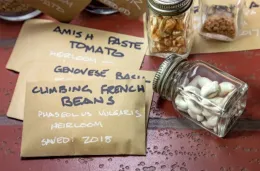
As we reach the end of the summer garden season, were there some vegetables you particularly loved this year? If yes, consider saving their seeds for next year’s garden. The easiest seeds to save are from self-pollinating plants like beans, peppers, lettuce, and tomatoes. Be aware that seeds from hybrid varieties may not breed true. Dry fruit plants like beans and peas can just be separated from their pods, dried, and stored. But tomatoes require a “wet” method where seeds are scooped into a container, fermented, washed, dried, and stored.
More information: How to Save Seeds
Months: August September October
Tags: Techniques Vegetables To-Dos
Tomato Bottom Scarring
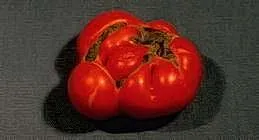
Sometimes scarring can be seen on the bottom (blossom end) of tomatoes. This can be caused by weather conditions such as cool and cloudy weather at bloom time, making the blossom stick longer to the small fruit. The fruit is perfectly good to eat with the damaged part cut out. Some large heirloom tomatoes are more susceptible to this condition.
Also known as catfacing.
Months: June July August
Tags: Abiotic Disorders IPM Vegetables To-Dos
Tomato Hornworm
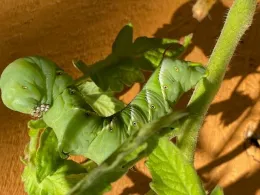
Both tomato hornworms and tobacco hornworms can do significant damage to tomato plants. They can eat entire leaves and take bites out of the fruit. Although they are large with a striking appearance, they camouflage themselves well on plants and can be surprisingly hard to find. Once you see one, you’ll wonder how you missed it. The first clue to their presence is often a pile of frass (insect larva excrement) on the leaves or ground under the pest. They are up to four inches long so they are easy to handpick for disposal. If you see a row of white eggs on their backs, those are from a parasitic wasp that will take care of the problem naturally. They are striking, with white striping and little round circles. The caterpillars get their name from the horn on their back end, and they are the larval stages of rather large brown moths.
More information: Tomato Hornworms
Months: June July August
Tags: Disease IPM Invertebrates Vegetables Vertebrates Pests and Diseases
Tomato Russet Mite
Tomato russet mites deplete juice from the cells of leaves, stems and fruit. They usually start at the base of the plant and move upward. If not controlled, these pests can kill plants. At first sign of damage, treat with sulfur dust or a spray solution of wettable sulfur and spreader-sticker. More information is found in the UC Pest Note on Tomato Russet Mite.
Months: June July August
Tags: IPM Vegetables Pests and Diseases
Tomato Staking
It’s time to start planning how you will stake your tomatoes. You will want to stake your tomatoes right after you plant your seedlings. Here are the various Tomato Staking Techniques we have tried.
Months: April May June
Tags: Vegetables To-Dos
Tomato Suckers
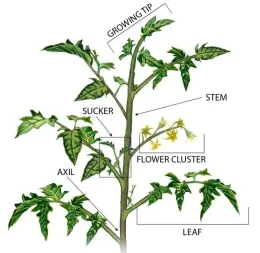
Pinching out suckers is recommended for areas with a short growing season (for faster production) or humid summers (to improve air circulation) or to make it easier to tie plants to stakes. But with our dry climate and long growing season, there’s no need to remove them if you’re growing tomatoes in cages. Letting suckers grow provides foliage cover to shield the fruit from direct sun, gives additional photosynthesis, and will produce more fruit. Feel free to remove interior leaves that are shaded out or turning yellow, or clip foliage as needed to make the tomatoes easier to find and harvest. But no need to pinch out the suckers.
See Cultural Tips for Growing Tomatoes for information such as site selection, soil preparation, when to plant, etc. when growing tomatoes.
Months: April May June
Tags: Best Practices Techniques Vegetables To-Dos
Tomato blossom end rot
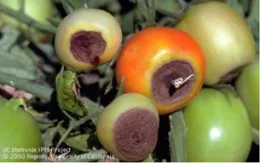
A brown depression on the bottom of tomatoes is usually blossom end rot (BER). This disorder is related to a calcium deficiency aggravated by irregular watering. Since most soils have adequate calcium, watering is usually the problem. Without regular watering, the calcium in the soil cannot reach the plant. Mulching can help. Water tomatoes regularly. Avoid flooding them so the roots sit in water. For more detailed information about BER please view Managing Blossom-End Rot in Tomatoes and Peppers
Months: July August September
Tags: Abiotic Disorders IPM Vegetables Waterwise Tips Pests and Diseases
Transplanting Vegetables
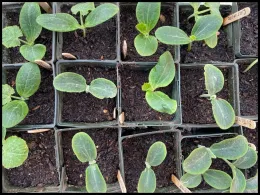
As vegetable seedlings start to outgrow their pots, you can transplant them into larger pots, raised beds, or the ground. Make sure the seedling is well-watered before moving it. To remove the plant, either turn the pot upside down — with your other hand positioned to catch it! — or pull the entire root ball out with a fork or other utensil. Be sure never to handle the seedling by the stem, with its vascular tissue that conducts water and food. If the roots are packed together or circling, gently pull them apart. Then gently move the plant to its new home, lightly packing the soil around it. Make sure the soil is at the same level on the stem as in its original pot, except for tomatoes and peppers which can be planted deep. Immediately water thoroughly. A little fertilizer can also be added when transplanting. Transplant shock can be minimized by not changing too many conditions at once, e.g., temperature, wind, or sun exposure.
More information: Vegetable Planting Handbook (Los Angeles Master Gardeners)
Months: February March April May June July August September October
Tags: Techniques To-Dos
Verticillium Wilt
Verticillium wilt is a soil-borne fungal disease that damages plant veins. The damage is characterized by affecting one side of the plant. The leaves may wilt and turn brown, dying upward from the base of the branch to the tip. Dead leaves often fall, but may not. Mildly affected plants may survive if fertilized and encouraged into vigorous growth. The fungus can live for years in the soil.
Planting tomatoes, peppers, eggplants, and potatoes (all members of the Solanaceae or nightshade family) in the same place no more than once every three years helps reduce the fungal population to non-harmful levels. Soil solarization may eliminate Verticillium wilt from infected soils. Crop rotation with cereals or broccolis can reduce the pathogen. Avoid high nitrogen fertilizers. Plant Verticillium wilt-resistant varieties of tomatoes, potatoes or strawberries. Refer to the UC Pest Note information on Tomato, Potato, and Strawberry for species-specific suggestions.
Months: May June July August
Tags: Disease IPM Vegetables Pests and Diseases
Watering Tomatoes
If it’s July, it’s time to cut back on watering tomatoes. Tomatoes have far more flavor when the ripening fruit is deprived of water. Don’t forget to remove competing weeds from around the garden.
Months: July
Tags: Best Practices To-Dos
When to Start Summer Vegetables from Seed
If you start your seedlings too soon, they can get leggy and overgrown before it’s time to plant them. Tomatoes reach transplant size in 6 weeks, peppers take 8 to 10 weeks, and cucumbers take just 4 weeks. Plan when you want to transplant into the garden, then calculate backward to figure out when to start seeds. Our vegetable planting chart recommends transplanting tomatoes in May, so start seeds 6 to 8 weeks before, in March to early April. The hottest varieties of peppers need a long growing season for the pods to ripen. Start peppers earlier, mid-February to mid-March. Wait until May to start heat lovers like cucumbers and melons.
More Information: Growing Transplants from Seed
Months: February March April
Tags: Best Practices Garden Basics Vegetables What to Plant