

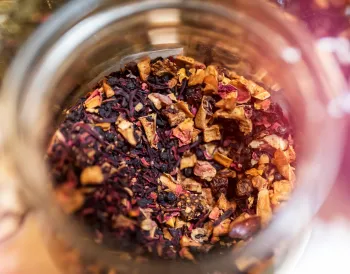
Herbal teas, or more accurately herbal infusions, offer endless variety, versatility and creativity to Fresno area gardeners. Flowers, roots, leaves, and even certain fruits can be dried and infused individually or in unique combinations to create sugar free, inexpensive and often healthful beverages to enjoy year-round.
A UC Master Gardener in Contra Costa County, Andrea Salzman, grew an herbal tea garden as a project with her young daughter. In the process, she gained experience on herbal tea selection, culture, drying and storage. She explains that, as with all gardening, success starts with the soil. Well-draining loamy soil, amended with compost for the slow release of nutrients, provides the best start for a tea garden. If the plants are grown in pots, they should be sowed in a mixture that contains compost, vermiculite and perlite to ensure proper soil moisture and drainage.
An irrigation plan that takes into account the plants’ water needs – whether a thirsty plant or one that thrives on small amounts – is also critical.
After harvesting, herbs from the garden should be washed to remove dust and insects. They can be dried by tying and hanging, arranging on paper towels left in a warm location, or placing in commercial dehydrator at 90 to 115 degrees. Store in airtight containers, such as canning jars, recycled jam and other food or spice jars, and tins that have been washed and dried thoroughly.
In an online webinar, Master Gardener Salzman shared her 10 favorite plants to grow in a California herbal tea garden.
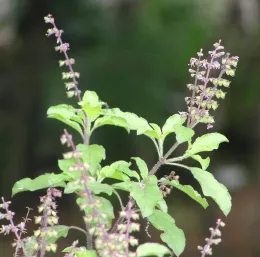
Tulsi basil
Tulsi basil, or Holy basil, is an aromatic perennial cultivated widely in Southeast Asia. Dried and infused, the tea has a sweet, clove to licorice flavor and scent. Tulsi basil is a compact plant that grows one to two feet high and wide, and needs full sun. Pinch back and discard the flowers to encourage more leafy growth. When harvesting the leaves, cut stems just above a node for a bushier plant. This herb has many traditional medicinal uses, as an anti-inflammatory, anti-microbial and stress reducer.
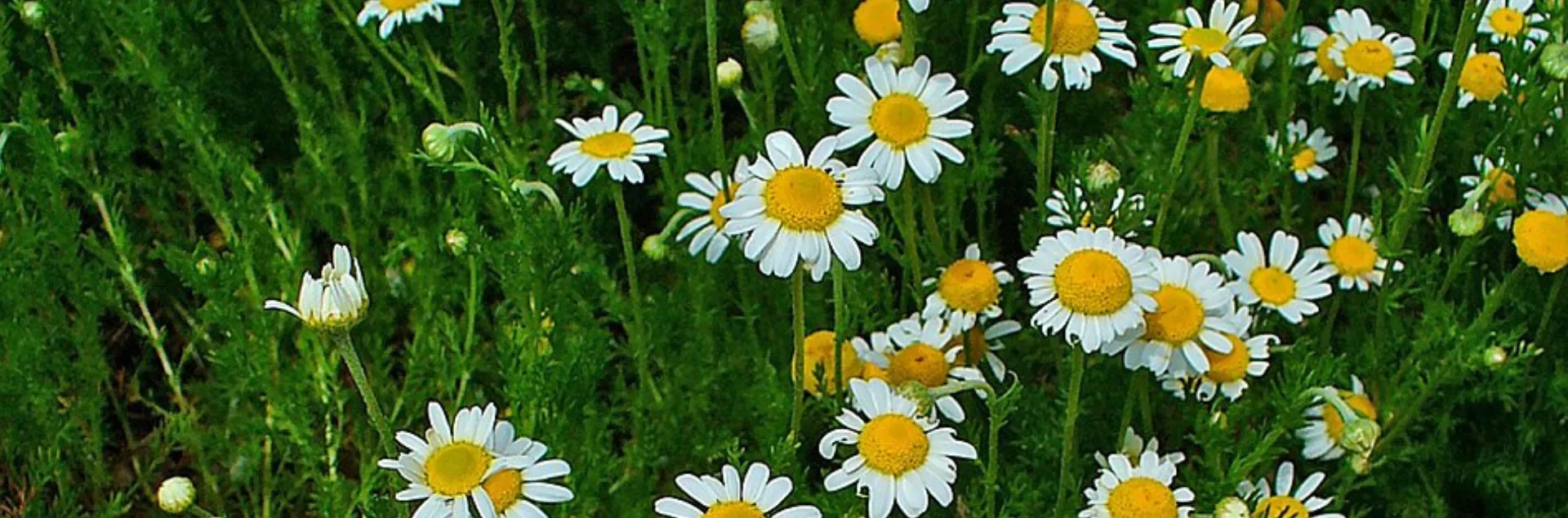
Chamomile
Probably the most popular herbal tea plant, chamomile is commonly thought to reduce stress, prompt relaxation and induce sleep. The seeds are like very fine sawdust. They can be sprinkled on damp soil in the spring and pressed down lightly. Slow to germinate, chamomile needs little care and minimal water once established. Chamomile plants will suffer in the hot Fresno summer, so selecting a spot that blocks afternoon sun will extend its life. Harvest the apple-scented flowers only, making sure that the yellow center is puffy and about the size of a pencil eraser. Regular, gentle harvesting of the daisy-like flowers encourages the plant to produce more blooms throughout the season. Avoid collecting stems and leaves, which can add a bitter flavor to tea.
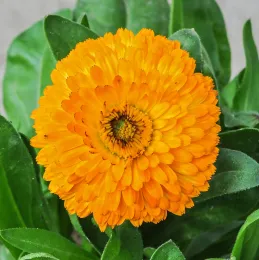
Calendula officinalis
Calendula officinalis, a type of marigold, is used topically for skin healing, treating wounds, burns, rashes and inflammation. The flower petals have a tangy, peppery, grassy flavor that can be eaten fresh in salads, added to food in place of saffron for an inexpensive pungent note, or dried for tea. Calendula officinalis needs full sun, moderate water and rarely suffers with pest or disease problems. Harvest the flowers when blooms are two to three inches across. Clip off the flower above a node and be mindful of small flower buds that will become the next harvest.
Lemon balm
A member of the mint family, lemon balm tolerates full to partial sun. Since it spreads by rhizome, it’s easier to contain in pots. The leaves have a bright, lemony flower scent and flavor. Harvest leaves before the plant flowers by trimming the stems no more than one-third to one half of the plant height at a time. In late winter, cut back aggressively. Like other leafy herbs, they can be left to flower at the end of the season for pollinators to enjoy. Lemon balm flower stems can also be harvested and added to bouquets for a fragrant accent similar in appearance to baby’s breath.
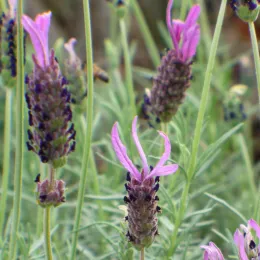
Lavender
For culinary lavender, look for plants labeled with angustifolia. This English lavender variety has a lower oil content, which avoids a soapy flavor. Common culinary varieties are Munstead and Melissa. Lavender is easy to grow in full sun and well-draining soil. Harvest when the flower is fully opened. Dried lavender imparts a lovely, flowery taste to tea. It’s used medicinally primarily for its calming effect.
Mint
A popular herb that is available in a wide variety of flavors and aromas, including chocolate mint, strawberry mint, apple mint, mango mint and pineapple mint. Mint likes full sun and regular water. It’s best to harvest before the plant flowers. Mint can be used fresh by placing a generous spring in a transparent mug and topping with boiling water. Traditionally, fresh and dried mint are used medicinally as a digestive aid.
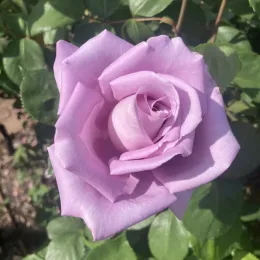
Roses
For making tea, carefully select a rose variety that has a lovely scent. The petals can be used fresh or dried. Rosehips, the Vitamin C-rich bulb that forms at the base of unharvested flowers, can be clipped off, dried, grinded and used in tea to enhance its medicinal value. Alternatively, rose-scented geraniums can be used to provide a subtle rose scent to tea.
Butterfly pea
A less common plant, butterfly pea tea has a subtle earthy flavor, but the real appeal is the beautiful color of the infusion. The flower petals turn water an intense blue. Add a squeeze of fresh lemon juice and the blue turns into a royal, translucent purple. Experiment with butterfly pea flower tea to make interesting cocktails and mocktails. Find the seed online. To germinate, the plant requires warm soil, consistent moisture and patience. Sprouts will appear in about three weeks.
Citrus
Citrus rind – from oranges, mandarins, lemons and other fruit – can be cut into small pieces, dried and blended with a variety of herbal teas for fresh infusion of flavor and antioxidants. Before drying, carefully cut off the bitter pith and dry just the bright-colored outside rind for the best flavor.
True tea
True tea (Camelia senesis) isn’t a major crop in Central California, but the plant that produces black, green, white and oolong teas will also grow well in the valley. The UC Kearney Research and Extension will host California Tea Day, 8 a.m. to 12 noon March 19, for potential commercial growers and others interested in growing tea. Follow this link to register.
_________________
Written by UC Master Gardener Jeannette Warnert