
Blog by Paula Pashby
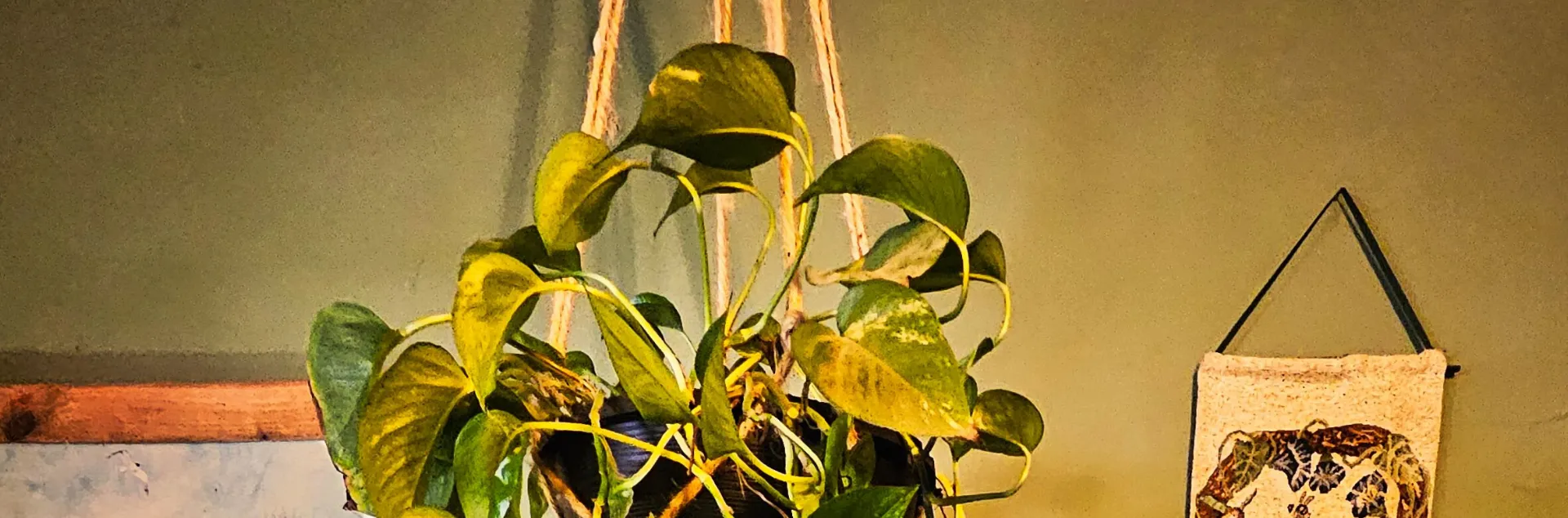
It is early February, and I am delighted that the winter rain has returned. There are some plants in my garden that are budding early because of the warm days last week, but most are still nicely tucked in for the winter duration. Now that I have some downtime, I can shift my attention to the indoor plants.
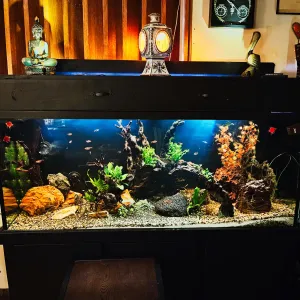
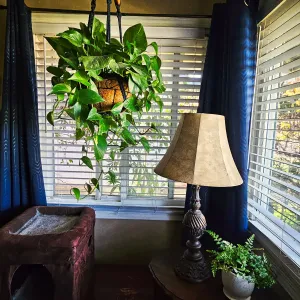
We have potted plants thoughtfully placed throughout our home, which bring a relaxing vibe that we love. We even have a large aquarium with freshwater fish and live plants to extend our home’s connection to nature… just like Mom had when I was a kid.
I noticed that most of my indoor plants are doing well, but some have dry and curled leaves. I checked the soil in the pots of the affected plants and was surprised to discover open roots on the surface. The plants had grown so much this past year that the roots filled the pot and became compacted. I realized that I spent so much time in the outdoor garden, and I (embarrassingly) neglected our house plants. Sorry!
I immediately went out to purchase soil for repotting, something tailored for indoor plants. I found a well-draining and very lightweight soil that is almost sponge-like and breathable. I also bought pots with good drainage holes that were 1 -2 inches larger than the original ones.
I gently repotted my root-bound plants and topped off all of the others throughout the house. I paid careful attention to not cover the top of the plant's crown (where the stem and roots connect), which could cause decay to the stem and kill a plant. Each plant then got a good watering.
I cleaned up and kicked back, happy to give my house plants some tender loving care. Mission accomplished, or so I thought…
A few days later, I noticed that my repotted plants began to show yellowing leaves, and some of the tips were wilting. Then the leaves began to drop... I was horrified. What did I do?
I immediately went in search of information to diagnose the problem. I found that everything I had done was appropriately executed – well, almost everything. I discovered that the best time for repotting indoor plants is from early spring to early summer, NOT in the middle of winter.
Repotting is recommended in early spring when plants are emerging from dormancy. This is the period when plants will begin active root growth and will best acclimate to new soil, avoiding what is called “transplant shock”.
Another lesson learned! Fingers crossed these plants will recover and thrive.