
Article and photos by Peg Smith -
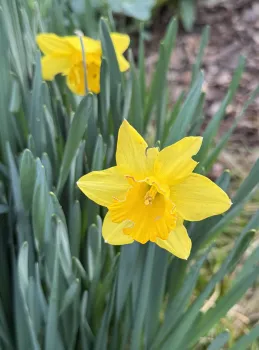
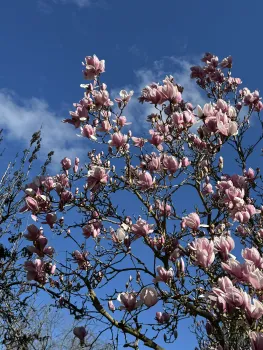
March is such a wonderful month for gardeners, spring glory is erupting in brilliant blossoms and flowering bulbs. As we enjoy the bursting buds and blossoms, it is an ideal time to look forward to the summer bounty of vegetables and flowers. Time to start annual and perennial summer flower seeds so they are ready to transplant out into the garden as the spring annuals fade.
General maintenance
With the February rains and the warming temperatures mosquitoes are emerging to lay eggs in any standing water – even a capful of standing water. The life cycle for the mosquito is egg, larvae, pupa to adult, with the egg, larval, and pupal stages taking place in water. Male mosquitoes have short lifespans and do not consume blood from birds or mammals. The female mosquito needs a ‘blood meal’ to produce eggs.
West Nile Virus causes a disease that can affect birds and mammals (including humans) and is present in Yolo County. The virus is transmitted through the ‘bite’ of an infected mosquito. Over three hundred species of birds have been affected by West Nile Virus since it was first detected in 1999. Crows, jays, and magpies are particularly susceptible to the West Nile Virus. In humans, the disease may be mild with no sign of symptoms, but in some cases, serious neurological effects develop.
The primary mosquito species that carries West Nile Virus in Yolo County is the Culex tarsalis, and it can fly up to two miles. The life cycle is about seven to ten days from egg to emerged adult. The female lays from one hundred to three hundred eggs with each deposit. It is important to stay alert even after a short spring shower and remove any standing water so that mosquitoes do not establish a breeding ground.
How you can help
If you find a sick or dead bird, report it to health officials by calling (877) 968-2473 or report it online at the California Department of Public Health’s Report a Dead Bird webpagewhere there is Information on how to safely handle the bird and report the bird’s location. Health officials may pick up the bird for testing. Information on dead birds and the county program of trapping and testing mosquitoes allows health officials to monitor the prevalence of West Nile Virus. For more information, check the Yolo County News webpage.
Weeds
This is the season for weeds; get ‘em young and get ‘em often is always the best approach. Weeds such as convolulus and Bermuda grass have root systems that provide a store of energy deep underground (convolulus to twenty feet, Bermuda to almost four feet). Persistence in removing each small shoot found will result in the underground roots not being replenished. Overtime an infestation can be controlled, but vigilance is the key. Removing any weed before it produces seed will reduce the ‘weed seed bank’ in the soil.
Fruits
As the weather warms, flower buds break; do not use dormant oil spray. After bud break, the spray can damage foliage or bloom and affect beneficial insects and pollinators.
If your dormant pruning is not complete, wait until after the fruit has ripened and summer prune to shape and control a tree’s growth. Support any extended or weak branches to prevent breakage. Wait until the summer to prune apricots and cherries.1 Pruning cuts provide a path for fungal and bacterial diseases carried in rain and moist atmosphere to infect apricots and cherries.
Ornamentals and annuals
Finish any remaining rose pruning and feed roses to encourage growth and bloom. An application of alfalfa pellets around roses can stimulate new growth. Alfalfa is the equivalent of a general fertilizer of 5-1-2, giving a source of nitrogen, calcium, iron, magnesium, phosphorus, zinc, and also triaconatol, which is a fatty acid growth stimulant.
This is prime planting season; almost any plant that suits our climate can be planted at this time. Local sales and nurseries will be well stocked. Look for CA natives or plants originating from a Mediterranean climate, which is similar to our Yolo County climate.
Start seeds of zinnias, cosmos, calendula, marigolds, petunia, tithonia, celosia, scabiosa, globe amaranth, nicotiana, and sunflower for summer color.
Bulbs, Corms, and Rhizomes
| Name | Type | Planting Time | Bloom Time | Comments |
|---|---|---|---|---|
| Begonia (tuberous) | tuber | March - May | spring summer | Best in containers. Lift tubers in the fall when leaves die back, store in cool, dry place. |
| Calla (white) | rhizome | October - April | spring summer | Needs year-round moisture. Grows well in light shade. |
Calla (dwarf colored) | rhizome | October - April | spring summer | Plant with ‘eyes’ up. Withhold water in late summer to early fall to encourage dormancy. Grow in light shade. |
| Canna | rhizome | February - April | summer fall | Can also be grown in large pots. Cut stems to the ground after bloom. |
| Dahlia | tuberous root | February - May | summer fall | Needs care to encourage large blooms, may need support, can be susceptible to powdery mildew. |
| Gladiolus | corm | February - April | spring summer fall | Very good for cut flowers. To extend the bloom period stagger the planting of corms. Over about six weeks plant a selection of corms every one to two weeks. |
| Lily | bulb | February - March | summer fall | Many species and hybrids available. There are also some summer blooming natives. Any part of the lily plant and its pollen is extremely toxic to cats.2 |
| Tuberose | rhizome | February – April | summer fall | Should bloom year after year. |
Zephranthes (Argentine lily) | bulb | Anytime | summer fall | Low water, prefers periods of wet and dry. Will multiply to give a good showing of crocus like flowers. |
Fertilizer
Most plants will benefit from a spring application of compost or fertilizer. Always check the labels before applying. Excess nitrogen in the soil will encourage leaf growth rather than fruit or bloom.
Pest control
Spring is when both beneficial insects and insects we regard as pests emerge. A daily walk around the garden to observe, especially early morning or evening, will allow you to notice and take care of any beginning infestations. A strong spray from a garden hose can reduce or solve aphid or spittle bug problems. Slugs and snails are more easily seen at night; hand picking, beer traps, or an application of iron phosphate will help reduce the population. Iron phosphate is safe for use around pets and wildlife.
For more information on identifying pests and the least toxic solutions to pest problems, go to the UC IPM Home, garden, turf, and landscape pests webpage.
Vegetables
March is the beginning of the transition to summer crops in the vegetable garden. Some cooler weather crops, such as beets and carrots, can be planted, but if there are above average temperatures in April and May, these may bolt. Tomatoes, peppers, and eggplant can be started in pots inside or a greenhouse and will be ready for transplanting when the soil has warmed. Annual vegetables depend on day length, moisture, air temperature, and soil temperature to produce well. Check weather forecasts and soil temperatures to adjust planting and transplanting dates accordingly. Cooler than usual – wait for the soil to warm, warmer than usual - shade plantings or wait until cooler. For more information on optimum soil temperatures, see UC ANR’s Soil Temperature Conditions for Vegetable Seed Germination.
References
1The Stanislaus Sprout (Jan. 15, 2019) Wait, Don't Prune Apricot or Cherry Trees Just Yet!
2US Food and Drug Administration (Sept. 16, 2021) Lovely Lilies and Curious Cats: A Dangerous Combination

March Vegetable Planting Guide
Click the thumbnail image on the right to open a PDF of Peg's March Vegetable Planting Guide. This guide will tell you which Yolo County and Sacramento area vegetables are recommended for planting during the month of March, along with how and when to plant them.