
Most of us don’t have gardens as expansive as those created by 18th century landscape architect Capability Brown who moved a river to create the beautiful vistas at Chatsworth House, or large enough to design outdoor “rooms” like those created in the 20th century by Vita Sackville West at her Sissinghurst Castle home. Nonetheless, we enjoy our gardens and can introduce a moment of perfection and “paradiso” by including tropical plants. Tropical plants come from the area of the world known as the tropics at the equator between the Tropic of Cancer (latitude 23.5 degrees N) and the Tropic of Capricorn (Latitude 23.5 degrees S), or about 1,500 miles above and below the equator. Within this equatorial region is roughly one-third of our planet’s land mass and population. Only one U.S. state, Hawaii, lies in the tropics where 85- degree temperatures foster tropical plants both native and introduced. So, how do we include tropical plants in our gardens here in Marin at Latitude 38?
All plants have a preferred balance of warmth, seasonal rainfall, and dry periods, guaranteeing the plant enough water to grow but not so much as to get waterlogged or threatened with fungal diseases. Marin gardeners learn this growing tomatoes, native to South America. We have learned that by adopting adaptive strategies, we can grow some edible and ornamental tropical plants. Others we cannot grow successfully because Marin doesn’t have the warmer temperatures and humid environments required. So, we grow tomatoes as annuals not perennials; this is adaptive strategy. We do not grow Vanilla planifolia, a clinging orchid vine that grows to 300 feet with 4- inch green orchid flowers. In Mexico, native vanilla is pollinated by native bees and hummingbirds, but when transplanted to Hawaii, Tahiti, and the island of Reunion off Madagascar, vanilla must be pollinated by hand, another adaptive strategy, albeit making vanilla the second most expensive spice in the world after saffron.
The ancient Greek physician, botanist, and pharmacologist Dioscorides wrote a five- volume Herbal describing about 500 species representing all then known world plants. In the 1500’s, the King of Spain sent Francisco Hernandez, the Spanish court’s physician, to New Spain, to catalogue plants in the “new world”, including their environmental and ecological context. The Aztecs served Hernandez hot chocolate flavored with vanilla, and Hernandez spent three years learning from the Aztecs, cataloguing plants and increasing by sixfold the number of plants known to science. For an informative list of edible tropical plants from around the world, including fruits, vegetables, starches, shoots and roots, nuts, and spices, go to the Missouri Botanical Garden “A Tropical Feast”, pdf available online.
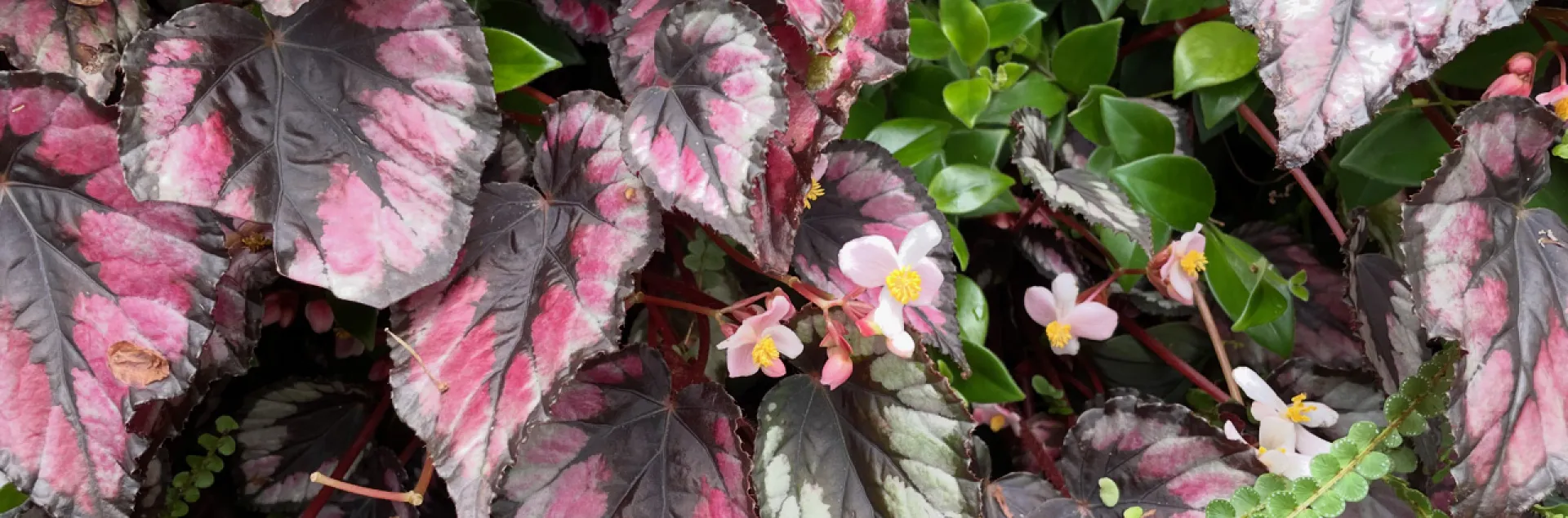
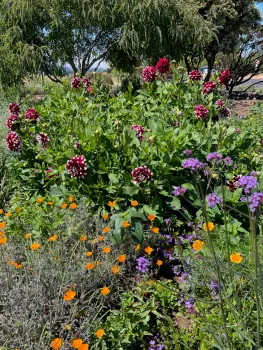
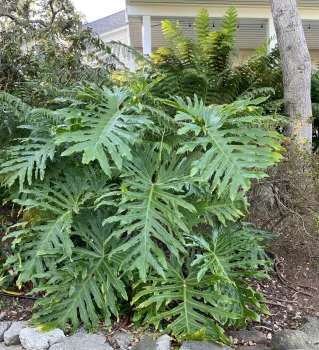
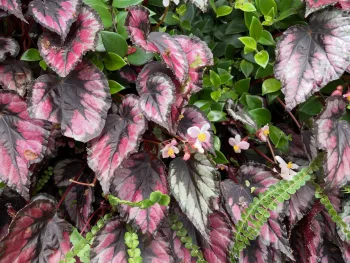
Just like edible tropical plants, ornamental tropical plants provide garden benefits including vibrant colors, exotic ambiance, biodiversity, increased humidity, and seasonal appeal. Some of the most popular ’New World’ tropical plants that grow well in Marin include Bougainvillea (with prolific blooms), Canna Lily (with vibrant leaves of yellow, gold, and burgundy) Plumeria rubra (a small tree known as frangipani whose blooms are used to make leis), and Heliconia rostrata (with its lobster claw- like blooms). The list also includes Begonias (that grow until cold weather arrives), Dahlias (the national flower of Mexico), Tagetes, Zinnias, Impatiens, Lobelia, Giant Water Lillies, Philodendron, Agave, Yucca, Monstera (the Swiss cheese plant that grows in shady areas with holes in its leaves so light reaches lower leaves), Choisya ternata (Mexican orange) and so many more.
If you decide you favor plants with a tropical look, remember the master gardener mantra ‘Right plant in the right place’. Choose those tropical plants that can survive Marin’s climate. Remember, contrary to popular belief, many tropical plants do not do well in direct sunlight and prefer shadier environments. Conversely, some tropical plants can endure blazing heat, humidity, heavy rains, or drought and low temperatures. Adaptive strategies can ensure success.
By Anne-Marie Walker, April 18, 2026