
May is about the time home gardeners can think about planting trees, shrubs, and some perennials: the soil is generally warm enough for roots to get established, and what freezes we get can likely be handled by plants known to thrive in the Tahoe Basin. Here are things to consider as you select trees, shrubs, and perennials for your backyard.
USDA Zones
When choosing what to plant, you’ll want to be sure it’s appropriate for your USDA planting zone. USDA Zones are based on winter low temperatures, in other words in how cold an environment will a plant survive. You can look up your garden's zone based on ZIP code on the USDA Website. Most of the Tahoe Basin hovers around Zone 6a & 6b, with higher elevations dropping as low as zone 4 and some warmer areas up to 7a. What this means when
choosing plants is to make sure they are rated to grow in your zone, or ideally the next coldest zone.
Sun/Shade Exposure
Another key metric to consider is how much sun / shade a plant will need. Plants labeled “full sun” generally need 6+ hours of sunlight, “Partial sun/shade” indicate filtered sun and/or 2-6 hours of sun per day, while “Shade” indicates 0-2 hours of direct sunlight per day.
Soil Requirements
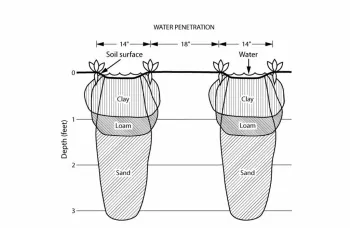
Know the basics of the type of soil you’ll be growing in, and select plants suitable to that type of soil. While some Tahoe gardens enjoy loamy soil (ones that retain water), many landscapes in Tahoe require plants that are good with sandy, fast-draining soil. Due to our young DG soils, you’ll often want to incorporate some amount of organic matter (compost or planting mix being the most common) into your soil, both to help it retain more moisture for young roots and to provide young plants a bit more of the nutrients they’ll need to thrive.
Water Needs
While many trees and shrubs will grow with little or no supplemental irrigation once established, the first 1-3 years even the hardiest of plants will need regular water to get established. Be sure you plant in an area you can water at least weekly at first - be it through an irrigation system or a well-positioned hose (and your own good memory to water regularly!) If you choose plants that will need ongoing irrigation, definitely consider an automated or smart watering system.
Plant Size
When planting, take into account the mature size of the plants you choose to install. It can be hard to believe a little one-gallon shrub will actually grow to 5 feet wide … but if that's what is indicated they likely will! Be sure not to crowd with other shrubs or trees, consider growing annual flowers or placing a healthy layer of mulch between plants while they grow in.
Our Natural Friends
Some plants are attractive to our vertebrate friends: ground squirrels and gophers may be interested in digging up from the bottom, rabbits may nibble above ground, and bears are known to graze and even climb trees to get at fruit or tasty new growth. Consider whether you need to include fencing, gopher baskets, or other infrastructure to keep critters at bay. Or, choose plants that aren’t attractive to these critters, allowing you to co-exist without having to “fight off” our native friends. UC Davis' Integrated Pest Management Website offers a wealth of information on keeping a variety of pests at bay.