
After the frightening "summer is here too early; no, wait, it's going to freeze tonight" weather we had in March, April was lovely with its perfect spring blend of warm days, cool nights, moderate humidity, and a spattering of rain and snow. I hope this continues right through May, with a gradual warming that we and our gardens love. As the month unfolds, the soil warms, and we can plant heat-loving species and do our preparations for summer. May is a busy month!
PLANTING
Almost everything can be planted now, especially early in the month. Try to finish planting in the ornamental garden before summer weather arrives. You can plant water-loving plants through summer, but even for them, transplant shock will be lessened if you can plant while we still have cool nights. Bulbs, tubers, and corms to plant are dahlia, gladiolus, and tuberose. Succulents are fine to plant now, too, as are avocados, citrus, bougainvillea, and other frost-sensitive plants.
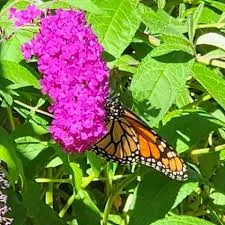
Summer color can liven up both the ornamental and edible gardens. Look for climate-adapted ornamental plants and limit the dependence of your ornamental garden on heavy irrigation during the hot summer months. You must water your orchard and edible garden regularly to keep high-water-use edible plants healthy, so a common-sense balance is to use lower water-use, resilient species in the ornamental garden. Native plants support native pollinators and should be our choice, filling in as needed with useful climate-appropriate species from other parts of the world. Some popular examples of non-natives that do well in our gardens are French lavender, rosemary, summer and Autumn sage (Salvia gregii and hybrids), Greek oregano, butterfly bush, Mexican bush sage, and black-eyed Susan.
It's finally time to plant heat-loving vegetables like tomatoes, peppers, basil, eggplant, squash, and tomatillos. Don't worry about some shade in your edible garden. Many summer garden vegetables do fine if they get at least six hours of sun a day, which is just about half a day. Heat lovers to plant in full 14 hours of sun are winter squash, melon, okra, beans, and corn. Why not try a three-sisters garden of corn, beans, and squash?
If you have an established garden, care for your soil by adding straw, compost, and composted manure or, if you must, store-purchased amendment. If your soil is healthy, your plants will need far less pest and disease management, making the garden healthier and less work. You may need to protect your vegetables from gophers with root caging. Where I live in the foothills, I need to protect my edibles from all kinds of wildlife with both root and foliage/fruit barriers. But it is worth it when harvesting time comes. And I like having wildlife (many of them are food for raptors and coyotes, which I also like having around), so I do not use poisons but rely on exclusions and tolerating some loss, which is part of IPM (Integrated Pest Management).
MAINTAINING
Check your watering system and adjust as the weather warms. Your new transplants will need to be supplied with water on a regular basis through late spring and right into summer. Don't expect even low-water-use plants to survive on no water during their first year. Deep water stone fruit, apple, pear, and nut trees.
For established gardens, the top several inches of soil can dry out for almost all plants in the well-mulched garden and in whatever lawn you still have. Many people overwater their lawns, especially in late spring. This encourages disease and insect problems. Most mature trees and shrubs have deep root systems and do not need to be watered frequently; let's observe and see where we can retrain ourselves about our summer watering.
Prune spring-blooming shrubs like camellia, lilac, Ceanothus, and hydrangea as they finish flowering. Pinch back fall-blooming chrysanthemums until July. Deadhead roses (remove old flowers) to encourage repeat blooming. Trim off suckers from the base of roses and from trees, and take out any dead branches now that trees are fully leafed out. If you haven't already, thin your nut and stone-fruit trees when the fruit is small to improve fruit size and quality. Branches may break if they are overloaded with fruit.
Continue with the wedding. Steady work, and it will be done. Consider using more pre-emergent herbicides or sheet mulching this fall and winter to reduce next year's annual weeds.
Compost and/or mulch if you haven't already. Keep wood mulch at least six inches away from tree trunks. Raise the mowing height to three inches for all types of lawn to shade out weeds and keep roots cooler.
Monitor the edible garden for common warm-season insect pests. Earwigs, aphids, slugs, snails, and grasshoppers are all in full production/reproduction now. But so are their natural predators: spiders, other bugs, birds, lizards, toads, and frogs. Use IPM methods of least toxic first. Tolerate some damage on your ornamental plants. Remember, caterpillars will become moths and butterflies, and their eating damage is often short-lived. Of course, we can't tolerate as much damage to our edible plants. So far this spring, I have hand-removed Harlequin bugs, cabbage worms, and aphids from my broccoli planted last fall, but I also see ladybugs, lacewings, and several types of spiders, and the harvest is still plentiful. It means another morning care routine, but I enjoy visiting my garden and noticing the unending flow of life. If you're squeamish about hand-removing insects, insecticidal soap is a good all-purpose remedy for many insects, and it doesn't kill as many beneficial insects as broad-spectrum powders and sprays do.
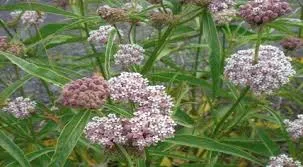
Many native plants, including native milkweed, tolerate aphids, milkweed bugs, and monarch caterpillar damage. Leave rolled newspaper traps or put a little oil into opaque bottles and leave them lying sideways under garden plants to trap earwigs. The traps need to be put in the waste every morning until the population is diminished. Control scale (they appear as little bumps on stems of citrus, bay, and other plants) with summer horticultural oil. You may need to repeat the application in June. Follow package instructions to avoid harming your plants.
Fertilize your container plants now. Once a year is usually enough for most containers. Once every three years may be all that is needed for California native plants in containers. You may never need to fertilize your succulents and cacti. Fertilize azaleas, camellias, and gardenias with fertilizer labeled for them. Fertilize citrus with fertilizer labeled for them. Citrus in containers needs to be fertilized at least once a month during their blooming and growing season to produce well. Citrus in the ground should be fertilized this month and then not again until next year. Fertilize your warm-season lawn and ground covers with an all-purpose product to promote vigorous growth and help prevent weeds. If you haven't already, fertilize your roses. You may find that compost is all you need; don't feel pressured to add store-purchased fertilizer if your plants are vigorous and healthy. Sometimes we think we "must" do things, but do we need more growth that we will need to prune later? Do we need more fruit that will just end up on the ground or in the compost bin? Most low-water-use plants are better off without fertilizer to keep them longer-living and more compact.
CONSERVING
Observe trees before having the trimmers come to make sure you're not disturbing an active bird nest. Leave a little radish, mustard, and broccoli blooming in the edible garden until seed set to support pollinator insects. Let your parsley flower and observe the tiny beneficial insects like hover flies making use of those tiny flowers. Consider adding a new plant for the wildlife. The abundance of healthy life in balance with other lives is what makes a beautiful garden, in spring and throughout the year.