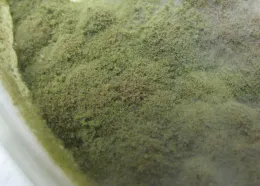
Aflatoxins, which are potent toxins and carcinogens, are widely regulated by governments with the tolerances set very low in food. Aflatoxins are mainly produced by two closely related fungi, Aspergillus flavus and A. parasiticus, as they naturally grow in many crops, including corn, peanuts, and cottonseed. These aflatoxin-producing fungi also grow at low levels in pistachio nuts (Pistacia vera) in commercial orchards in California. However, the most common Aspergillus species found decaying pistachio nuts in California is A. niger, which does not produce aflatoxins and occurs substantially more frequently than the aflatoxin-producing fungi (Doster and Michailides, 1994b).
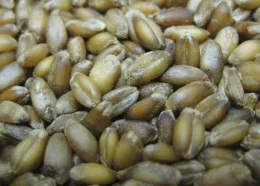
Naturally-occurring strains of A. flavus that are not able to produce aflatoxin (“atoxigenic” strains) have been used successfully to reduce aflatoxin contamination in cottonseed and peanuts. The atoxigenic A. flavus strain AF36 is currently being used in commercial cotton fields in Arizona, Texas, and southern California to substantially reduce the aflatoxin contamination of the cottonseed. Wheat carrying the atoxigenic A. flavus strain AF36 is applied in cotton fields to the surface of the soil only once each year in the late spring or early summer. After an irrigation, the wheat becomes rehydrated, allowing the AF36 fungus to grow and produce spores resulting in a predominance of the atoxigenic strain.