UC ANR is committed to providing an accessible and inclusive web experience for all users. If you encounter an accessibility barrier or need content in an alternative or remediated accessible format, please contact anraccessibility@ucanr.edu.
Information about managing pests, including University of California's official guidelines for monitoring pests and using pesticides and nonpesticide alternatives for managing insect, mite, nematode, weed, and disease pests.
Processing Tomato variety trials are an evaluation of varieties for local adaptation and continues to be a part of the University of California farm advisor program.
Broomrape is a parasitic weed that poses a significant threat to California tomato production. As an industry we dont want this weed to spread throughout the state.
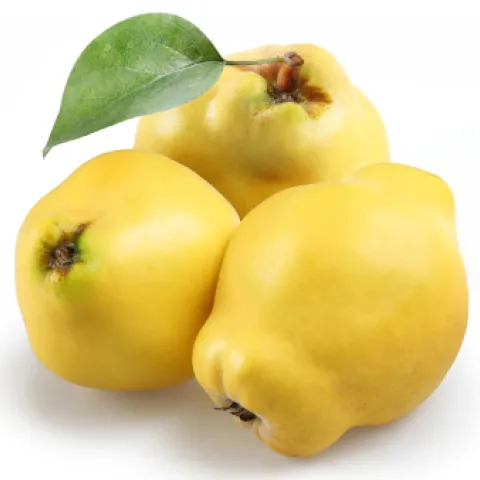
Quince fruits grow on a small tree or shrub (8 to 12 feet tall) with twisted, bumpy branches. Grown as a flowering ornamental or for fruit processing. Adapted to many climates. Adapted to many climates. Tolerates “wet feet” better than most other deciduous fruit trees.
Starting seeds in pots can give your vegetables, herbs, and flowers a head start before being transplanted into the garden. This makes it possible to enjoy earlier harvests and earlier blooms. Sturdy transplants can better withstand pests, diseases, and difficult weather.
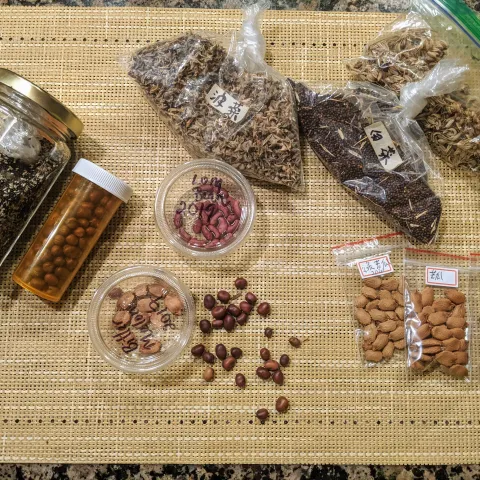
Saving seeds is an easy and economical way to continue growing favorite varieties. This page offers tips for successfully saving seeds, including how to collect, prepare, and store them.