UC ANR is committed to providing an accessible and inclusive web experience for all users. If you encounter an accessibility barrier or need content in an alternative or remediated accessible format, please contact anraccessibility@ucanr.edu.
Don't miss the San Benito County Cattlemen's Association Annual Meeting & Dinner! Board members will barbecuing. Click here for the flyer. This will be a great event with food, friends, and a fantastic guest speaker: Frank Mitloehner.
Yes, they're still there. More today than yesterday. That's how it goes in the Magical World of Butterflies. The Gulf Fritillaries (Agraulis vanillae) are keeping busy, and so is this insect wedding photographer trying to capture their images.
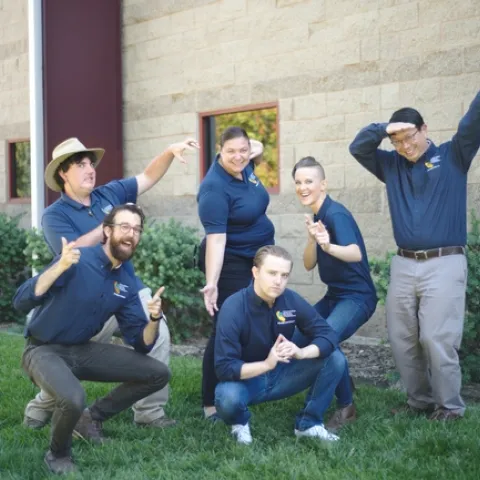
People work better when they are part of a supportive team. With people scattered across 57 counties, six campuses, and nine research and extension centers, connecting people across UC ANR can be tough.
Laurel Wilt Disease has been on the radar since 2002 when it became apparent that trees related to avocado were dying in the Georgia area. The Lauraceae family comprises a major portion of the evergreen tree species in the southeast. It's a fungal disease spread by the red bay ambrosia beetle.
Do you ever wonder about all of the oak trees you see in California? If you want to find out more about these oak beauties, here are some great resources: UC Oak Woodland Management one great resource.
California leads the nation in agricultural production, producing nearly all the nation's leafy green vegetables, most nut and fruit varieties, and is ranked first in egg and dairy production.
En los Estados Unidos muchos de nosotros hemos visto y escuchado algo sobre la celebracin mexicana del Da de los Muertos, ya sea por alguna pelcula de terror o en alguna feria comunitaria en donde los nios muestran sus rostros pintados como coloridas calaveras.
For the first time ever, UC Agriculture and Natural Resources (UC ANR) researchers harvested an industrial hemp crop at one of its nine research and extension centers this fall. It's an interesting crop, said UC Cooperative Extension specialist Bob Hutmacher.