
We can still have storms in April, bringing precipitation and even mountain snow, but generally this is a month in which we truly say goodbye to winter. With warm, dry March behind us, many of us--and our plants, too--feel like we've skipped spring, but we may see its return in April. Plants are in full growth mode. April is a month of plenty of activity and enjoying being outside and working in our gardens.
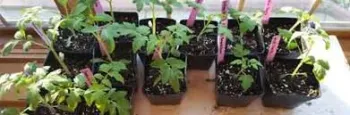
PLANTING: Transplant seedlings of tomatoes, peppers, eggplant, okra, and sweet potatoes this month when nighttime tem
peratures are in the 50's Fahrenheit or above. Plant seeds or transplant seedlings of summer and winter squash, cucumber, and melon. Towards the end of the month, plant seeds of beans and corn. Early in the month, you can still plant radishes, greens, and onions, but be prepared to harvest them while small; they will go to flower quickly in the lengthening days and warm temperatures.
You can plant almost any ornamental tree, shrub, perennial, and ground cover this month, including citrus and avocado. Annuals for summer flowers to plant include zinnia, sunflower, marigold, and petunia. Don't be too quick to remove stock and snapdragon; many of the newer varieties withstand the heat better than their ancestors, especially if your patio containers or planting bed receives afternoon shade. You can cut back these cool-season annuals, crowd in summer annuals, or plant from seed, and enjoy snaps and stock again when the weather cools.
MAINTAINING: Prune flowering shrubs when they finish blooming: azaleas, camellias, forsythia, lilacs, ceanothus, and native California sages like Pozo Blue and hummingbird sage. You can continue to prune deciduous trees if you haven't yet; it may slow the growth a little, but it won't hurt them as long as they are finished flowering and leafing out. Ruthlessly thin stone fruits while the fruit is still tiny, to about six to eight inches apart. Mow lawns to three inches tall. Mowing lawns too short encourages weeds and diseases.
Monitor for common spring pests like aphids, earwigs, slugs, snails, whitefly, thrips, and codling moth worm. Handpicking or spraying with a strong stream of water is the least toxic option. If you must use pesticides, take the time to identify your pest insect first to avoid harming beneficial insects like lacewing, syrphid fly, spiders, parasitic mites, parasitic wasps, and ladybug larvae. Remember that caterpillars are our future moths and butterflies, which provide food for birds and other creatures. Caterpillars on ornamentals can often be ignored unless in large populations; one easy method is to remove them from the plant (with gloves on because some caterpillars can sting and some spiny ones can cause rashes) and avoid inorganic pesticides.
Fertilize acid-loving plants (azalea, camellia, gardenia, blueberry) with specialized fertilizer. There are also specialized fertilizers for lawns, citrus, and roses. These special fertilizers contain the trace minerals needed in addition to the big three (nitrogen, phosphorus, potassium). April is also a good month to fertilize stone fruit and nut trees and container plants. Avoid over-fertilizing. When in doubt, use a half-strength mix. Don't assume all weak or struggling plants require fertilizer. It's best to determine the cause of the symptoms to avoid harm by stressing your unwell plant. Adding fertilizer is a nutrient needed for health; it is not a medicine that will cure a disease, insect, or water problem.
Powdery mildew is a common disease problem in the spring. Initial symptoms appear on leaves as yellowish spots on the upper leaf surface, followed a short time later by fuzzy white powdery stuff on the bottoms of the leaves. Several fungi types cause powdery mildew, and it affects many plants, including grapes and roses. Manage it by increasing the air circulation through pruning and providing more sunlight to affected plants, even in some cases, by transplanting. Fungicide treatments might be required for susceptible plant species, but the cultural practices are more effective. Learn more at: Powdery Mildew Quick Tips from UC IPM
And the weeds continue! Lush green February and March annual weeds begin to be a real nuisance and fire danger as they dry. Remove as many as you can, or at least remove the seed heads. Monitor and set baits for ants, which especially like spurge and spotted spurge. Remember to change the ingredients (not just different brand names) of your ant baits every few months.
CONSERVING: A healthy garden is an active one. Consider sharing the garden with insects. Determine a management threshold for common pests so you don't feel pressured to eliminate all insects, all weeds. You can have a healthy, vibrant, food and flower-producing garden even with a few pests. Healthy insects mean healthy food for birds. Train yourself to practice Integrated Pest Management (IPM). The first guideline is Least Toxic First. Conservation doesn't mean you give in/give up. It means being educated on what method to use and when. If you determine you can't manage a yard without using large amounts of Most Toxic First chemicals, consider changing your yard's style or plant species that require far less input for pest control.
If you're a new gardener, don't get discouraged. Gardening is a partnership between humans, insects, birds, weather, plants, mammals, and soil microorganisms. Did you think you were gardening alone? Master Gardeners are also here to help, as is the entire UC IPM program online, backed up by hundreds of researchers.
As always, conservation means irrigating the landscape and edible garden efficiently even in a non-drought year. Look for leaks and repair them. Adjust irrigation controllers. Avoid runoff and overwatering. Consider adding a rain garden or simple swale to keep stormwater on your property. Even urban gardens can have a small retention basin.
Enjoy the month of sunshine, vigorous garden life, and, hopefully, a few storms. Happy April!